
The tech bros might show more humility in Delhi – but will they make AI any safer?
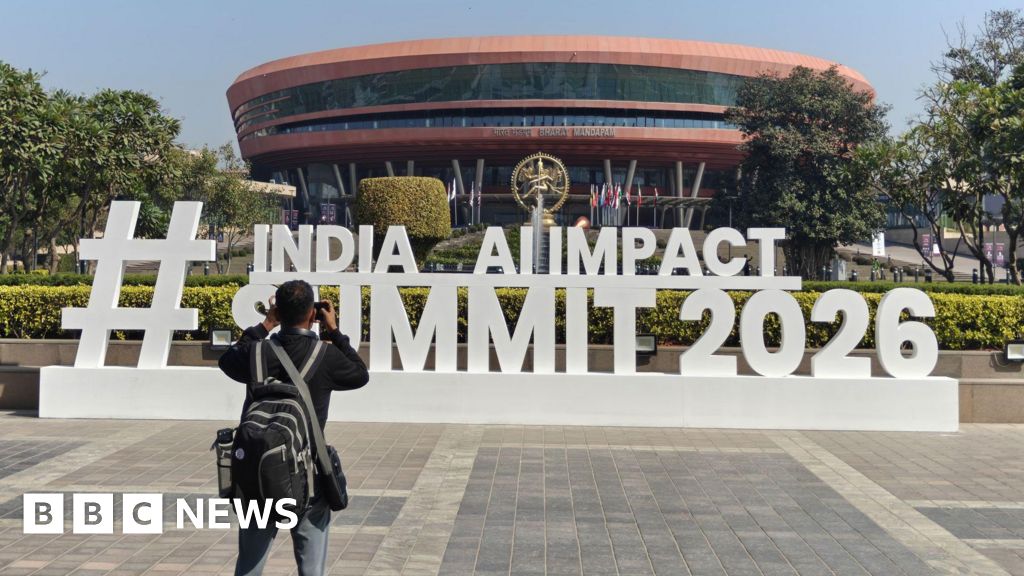
As Global Tech Leaders Meet in Delhi, India Hopes to Level the Playing Field for Countries Outside the US and China
In a landmark convergence of digital diplomacy and technological ambition, New Delhi is preparing to host one of the most consequential gatherings of global tech leadership in recent years. The summit, which brings together chief executives, policymakers, and innovators from across the world, represents far more than a routine industry meet—it is rapidly emerging as a pivotal moment in the global technology order.
India, now the world’s most populous nation and home to a burgeoning digital economy, is positioning itself as the voice of the Global South in an arena long dominated by the twin titans of Silicon Valley and Shenzhen. With the United States and China together accounting for the lion’s share of global tech influence—controlling the majority of semiconductor production, cloud infrastructure, and AI research—the summit in Delhi signals India’s intent to champion a more multipolar digital future.
The timing could not be more critical. As geopolitical tensions rise and technology becomes both a strategic asset and a point of contention, many nations outside the US-China axis have found themselves caught in a bind: reliant on infrastructure and platforms built elsewhere, yet increasingly wary of digital colonialism. India’s message to the assembled leaders is clear—there is room for more than two superpowers in the tech ecosystem, and emerging economies deserve an equitable stake in shaping the rules of the game.
Prime Minister Narendra Modi’s government has laid the groundwork for this vision through a series of ambitious initiatives. The Digital India campaign has connected over 800 million internet users, Aadhaar has provided digital identity to over a billion citizens, and the Unified Payments Interface (UPI) has revolutionized digital transactions, making India a global case study in inclusive fintech. These are not merely domestic achievements; they are proof points that large, diverse nations can build indigenous tech ecosystems capable of competing on the world stage.
Yet, the challenges are formidable. India still imports the bulk of its semiconductors, relies heavily on foreign cloud providers, and faces stiff competition from both US and Chinese firms in areas like e-commerce, social media, and smartphone manufacturing. The government’s push for greater self-reliance—encapsulated in the “Atmanirbhar Bharat” (Self-Reliant India) initiative—has led to increased scrutiny of foreign tech giants and incentives for local startups. But bridging the gap with established tech superpowers will require more than policy tweaks; it demands sustained investment, talent development, and international partnerships that respect the aspirations of the Global South.
The Delhi summit is expected to address these issues head-on. Panels and closed-door sessions will focus on building resilient digital supply chains, fostering cross-border innovation, and creating governance frameworks that balance openness with sovereignty. There is also a strong emphasis on inclusive growth—ensuring that the benefits of digital transformation reach small businesses, rural communities, and underrepresented groups.
For many observers, the summit is a litmus test for the future of global tech governance. Will it reinforce the dominance of the current duopoly, or will it open the door for a more diverse, decentralized digital order? India’s leadership is betting on the latter, leveraging its unique position as both a massive market and a rising technological power.
The stakes extend far beyond national pride. A more balanced tech landscape could spur innovation, lower barriers to entry for startups worldwide, and reduce the risk of technological monopolies. It could also help address pressing global challenges—from climate change to public health—by ensuring that digital tools and platforms are designed with the needs of all users in mind, not just those in the world’s richest economies.
As the summit unfolds, all eyes will be on Delhi—not just for the deals signed or the speeches made, but for the signals it sends about the future of technology itself. In a world where code and connectivity increasingly shape geopolitics, India’s push for a level playing field may well be the most important tech story of the year.
Tags & Viral Phrases:
Global South tech summit, India digital diplomacy, multipolar tech ecosystem, Silicon Valley vs Shenzhen, digital colonialism, Atmanirbhar Bharat, Digital India achievements, UPI fintech revolution, semiconductor self-reliance, cloud infrastructure independence, emerging economies tech policy, inclusive digital growth, resilient digital supply chains, cross-border innovation, tech governance frameworks, open yet sovereign, startups outside US-China, equitable digital future, technology for all, global tech order disruption, India rising tech power, balancing openness and control, digital transformation for rural communities, breaking the tech duopoly, India as voice of Global South, tech monopolies challenge, innovation beyond superpowers, digital tools for climate and health, next frontier of global tech, India’s tech ambition, leveling the digital playing field.
,


Leave a Reply
Want to join the discussion?Feel free to contribute!