
The Trump administration is targeting state AI legislation – again. Why that matters
Here’s a detailed, technically-focused rewrite of the AI regulation news with viral elements at the end:
Trump Administration Releases New AI Policy Framework Aiming to Override State Regulations
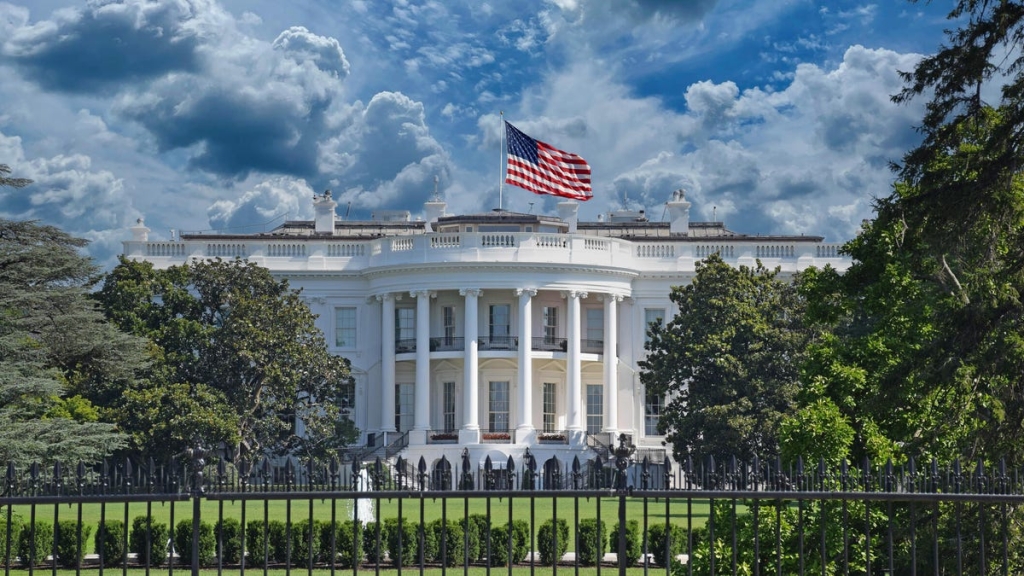
The White House has unveiled a comprehensive National Policy Framework for Artificial Intelligence, calling on Congress to centralize AI regulation and limit states’ ability to legislate in this space. The 28-page document, released Friday, represents the administration’s latest effort to create a uniform national approach to AI governance.
Federal Preemption at the Core
The framework’s central tenet is federal preemption of state AI laws, arguing that “state regulation of AI development is inherently problematic” due to AI’s interstate nature and national security implications. The administration contends that disparate state regulations create a “patchwork” that hinders innovation and places American companies at a competitive disadvantage, particularly against China.
Key provisions include:
- Prohibiting states from regulating AI development processes
- Preventing penalties for AI developers when third parties misuse their models
- Allowing limited state authority over data center siting and zoning
- Maintaining state consumer protection and fraud laws
- Preserving state authority over AI in education and law enforcement
State Laws Under Scrutiny
The framework comes amid growing state-level AI regulation. California’s SB-53 and New York’s RAISE Act represent the most comprehensive state approaches to date. Both laws require:
- Documentation of risk mitigation strategies
- Reporting of AI-related safety incidents
- Transparency around model capabilities and limitations
California’s SB-53, effective January 1st, targets companies with over $500 million in annual revenue and focuses on catastrophic risk categories including cyber, chemical, biological, and nuclear threats. The law includes whistleblower protections and imposes fines up to $1 million for non-compliance.
New York’s RAISE Act similarly requires incident reporting within 72 hours and imposes fines up to $3 million. Both laws have drawn criticism from the tech industry for potentially stifling innovation.
Legal and Political Challenges
Constitutional law experts note that the 10th Amendment reserves rights to states when federal law is absent or non-preemptive. Data protection lawyer Lily Li suggests the Department of Justice’s new AI Litigation Task Force will likely focus on laws that are unconstitutional under the dormant commerce clause or First Amendment, rather than directly challenging state AI regulations.
The December executive order establishing the task force specifically targeted “excessive State regulation” that the administration claims “thwarts” national AI dominance goals. However, previous attempts to include AI preemption in federal legislation have failed.
Industry Response and Economic Considerations
The framework proposes federal codification of AI companies’ voluntary pledge to cover rising data center energy costs, representing a potential area of bipartisan agreement. Industry groups have long argued that state-level regulation creates compliance burdens that disadvantage American companies globally.
However, governance experts note that market forces are already driving increased attention to AI safety and ethics. Enterprise customers increasingly demand liability protections, and investors are incorporating governance considerations into funding decisions.
Expert Perspectives on Safety and Innovation
Researchers at the Center for AI Safety argue that current regulations like SB-53, while limited, represent necessary first steps. They contend that transparency requirements, though modest, establish crucial precedents for accountability.
“The amount of real safety work happening today is still far below what is needed,” said one researcher, noting that companies developing potentially superintelligent AI systems still lack fundamental understanding of their models’ inner workings.
Others point out that existing EU AI Act requirements already cover many of the same disclosure mandates, suggesting limited practical impact from new state laws. The debate continues over whether safety regulation inherently conflicts with innovation or whether thoughtful governance actually enables sustainable technological progress.
Viral tags:
AIpolicy #TechRegulation #StateAI #FederalPreemption #AIRegulation #InnovationVsSafety #AIRace #DataCenters #AIWhistleblowers #SB53 #RAISEAct #AIEthics #NationalSecurityAI #TechPolicy
Viral sentences:
- “Federal AI regulation remains minimal while states forge ahead with their own laws”
- “The administration argues that state AI laws create a ‘patchwork’ that stifles innovation”
- “Companies developing potentially superintelligent AI still lack fundamental understanding of their models”
- “Market forces are already driving increased attention to AI safety and ethics”
- “The debate continues over whether safety regulation inherently conflicts with innovation”
- “Whistleblower protections in AI law represent a unique approach in tech regulation”
- “The framework proposes federal codification of AI companies’ voluntary pledge to cover rising data center energy costs”
- “Constitutional law experts note that the 10th Amendment reserves rights to states when federal law is absent”
- “Previous attempts to include AI preemption in federal legislation have failed”
- “Industry groups argue that state-level regulation creates compliance burdens that disadvantage American companies globally”
,


Leave a Reply
Want to join the discussion?Feel free to contribute!