
The U.S, TikTok censoring backlash, explained
TikTok Users Report Glitches, Restrictions, and Bans Amid Political and Controversial Content
In recent weeks, TikTok users in the United States have raised alarms over a series of technical glitches, content restrictions, and even account bans that they believe are tied to specific topics and keywords. The platform, which has become a hub for political discourse, activism, and viral trends, is now under scrutiny as users report issues ranging from “zero views” on their videos to outright bans for discussing sensitive subjects.
The Allegations: Content Censorship or Technical Glitches?
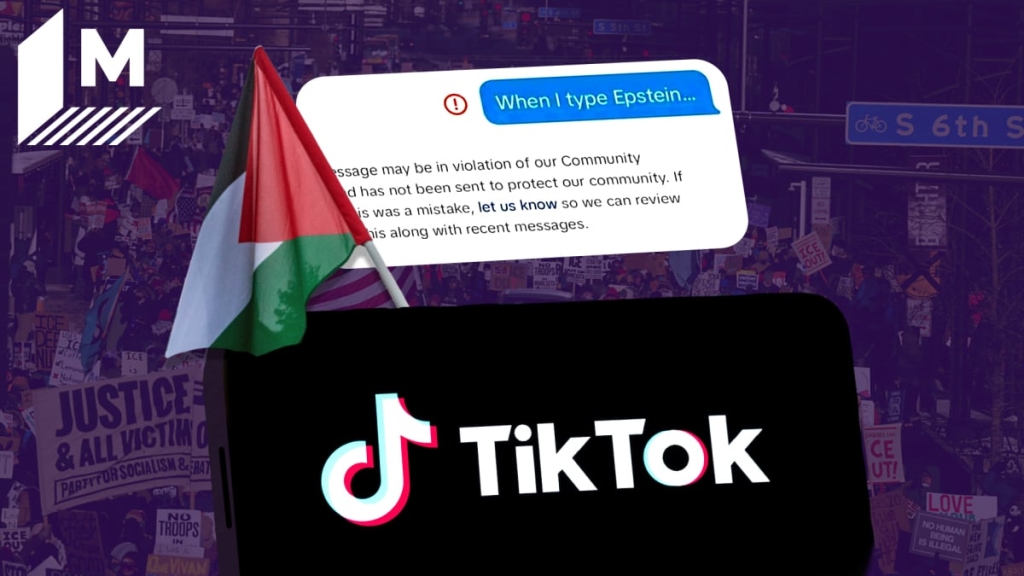
Several TikTok users have taken to social media to voice their concerns, claiming that their content related to Palestine, criticism of former President Donald Trump and Immigration and Customs Enforcement (ICE), and even mentions of Jeffrey Epstein in private messages have been flagged or removed. Some users report that their videos are receiving zero views, a phenomenon often referred to as the “shadowban,” while others have had their accounts suspended or permanently banned.
One user, who wished to remain anonymous, shared their experience: “I posted a video about the situation in Palestine, and within hours, my account was restricted. I couldn’t post, comment, or even like other videos. It felt like I was being silenced.” Another user reported similar issues after discussing Epstein’s name in a private message, stating, “I was just having a conversation with a friend, and suddenly, my account was flagged. It’s unsettling.”
The Timing: A Coincidence or a Connection?
These incidents come at a critical juncture for TikTok. Just days before the reports of glitches and restrictions began to surface, the social media giant finalized a deal to separate its U.S. operations from its global business. The app is now owned by TikTok USDS Joint Ventures LLC, a private majority company established to oversee TikTok’s operations in the United States. This move was seen as a strategic effort to address national security concerns and comply with U.S. regulations.
However, the transition has not been without its challenges. Immediately following the handover, TikTok experienced widespread outages, leaving many users unable to access the platform. Once the app was back online, users were prompted to agree to new Terms of Service, which sparked privacy concerns among some members of the TikTok community. The new terms, which include expanded data collection practices, have led to speculation about whether the platform is tightening its content moderation policies in response to its new ownership structure.
The Broader Implications: Freedom of Expression vs. Platform Control
The reports of content restrictions and account bans have reignited debates about freedom of expression on social media platforms. TikTok, like many other social media giants, has long faced criticism for its content moderation practices. However, the timing of these incidents—coinciding with the platform’s ownership transition—has led some to question whether there is a deliberate effort to suppress certain types of content.
Critics argue that the platform’s actions could have a chilling effect on political discourse and activism. “TikTok has become a powerful tool for marginalized voices to be heard,” said one digital rights advocate. “If the platform is indeed suppressing content related to Palestine or criticism of political figures, it undermines the very essence of what makes social media a space for free expression.”
On the other hand, TikTok has defended its content moderation policies, stating that they are designed to ensure a safe and positive experience for all users. “We are committed to fostering a platform where creativity and expression can thrive,” a TikTok spokesperson said in a statement. “Our content moderation practices are guided by our Community Guidelines, which apply equally to all users.”
The Technical Side: Are Glitches to Blame?
While some users are convinced that their content is being deliberately suppressed, others point to the technical issues that have plagued the platform since the ownership transition. The outages and new Terms of Service have led to speculation that the glitches could be the result of a flawed system update or a rushed implementation of new policies.
Tech experts have weighed in on the matter, suggesting that the timing of the glitches could be purely coincidental. “It’s not uncommon for platforms to experience technical difficulties during major transitions,” said one cybersecurity analyst. “However, the fact that these issues are coinciding with reports of content restrictions is certainly raising eyebrows.”
The Future of TikTok: Navigating a Complex Landscape
As TikTok continues to navigate its new ownership structure and address the concerns of its user base, the platform faces a delicate balancing act. On one hand, it must comply with U.S. regulations and address national security concerns. On the other hand, it must maintain the trust of its users and uphold its reputation as a space for creativity and free expression.
The coming weeks and months will be crucial for TikTok as it works to resolve these issues and rebuild user confidence. For now, many users are left wondering whether their voices will continue to be heard on the platform—or whether they will be silenced by unseen forces.
Tags & Viral Phrases:
TikTok censorship, shadowban, zero views glitch, Palestine content, Donald Trump criticism, ICE protests, Jeffrey Epstein, TikTok outages, new Terms of Service, data privacy concerns, social media activism, freedom of expression, TikTok USDS Joint Ventures, content moderation, political discourse, viral trends, account bans, digital rights, cybersecurity, platform control, marginalized voices, safe space, Community Guidelines, technical glitches, ownership transition, user trust, creative expression, social media giants, national security, U.S. regulations, user confidence.
,

Leave a Reply
Want to join the discussion?Feel free to contribute!