
The US Is In For Another Bad Year of Measles Cases
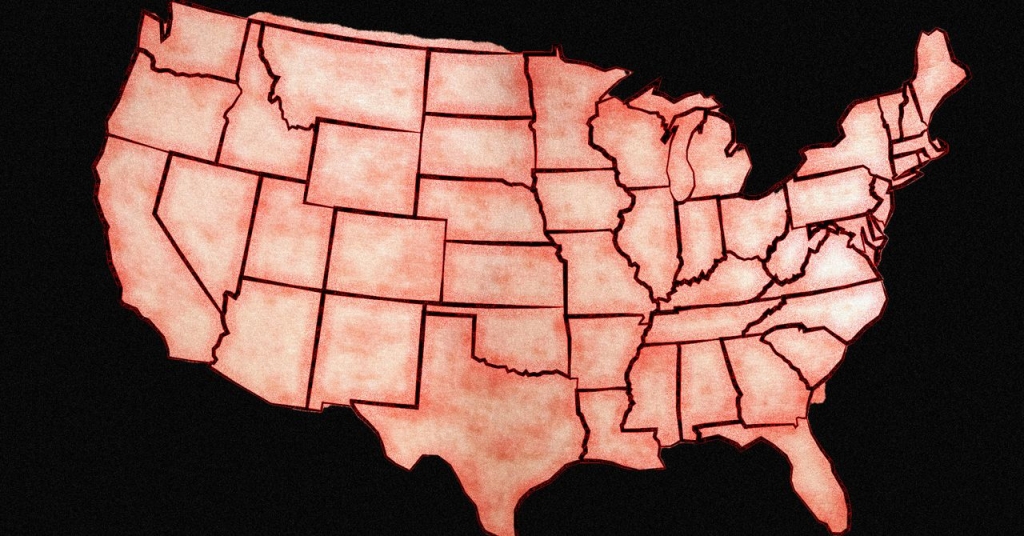
Measles Cases in South Carolina Surge Toward Record-Breaking Levels as US Faces Growing Vaccine Hesitancy Crisis
In a troubling development that has public health officials sounding the alarm, South Carolina is experiencing a rapidly escalating measles outbreak that threatens to surpass the record-breaking West Texas outbreak of 2024. With 646 confirmed cases as of January 20, 2025, the state’s outbreak has already outpaced many historical measles surges in the United States, raising serious concerns about the nation’s vulnerability to vaccine-preventable diseases.
The outbreak, which began last fall with eight initial cases reported on October 2, has exploded into a full-blown public health emergency. The virus has spread predominantly through the northwestern “upstate” region of South Carolina, with cases now confirmed on two college campuses—Clemson University and Anderson University—and exposure locations continuing to multiply weekly.
“We feel like we’re really kind of staring over the edge, knowing that this is about to get a lot worse,” warned Johnathon Elkes, an emergency medicine physician at Prisma Health in Greenville, South Carolina, during a January 16 press briefing. His stark assessment reflects the gravity of a situation that public health experts say could persist for months without immediate intervention.
The numbers paint a concerning picture. Of the 646 confirmed cases, 563 individuals were unvaccinated, 12 had received only one of the two recommended MMR vaccine doses, 13 were fully vaccinated, and 58 had unknown vaccination status. Ten people have required hospitalization, including both adults and children, though fortunately no deaths have been reported thus far.
This outbreak comes on the heels of a devastating West Texas measles surge that resulted in 762 confirmed cases, 99 hospitalizations, and two deaths among unvaccinated school-age children. That outbreak, which began in January 2024, was finally declared over in August—seven months after it began—highlighting the prolonged nature of these public health emergencies.
The timing couldn’t be worse. Across the United States, childhood vaccination rates have been steadily declining in recent years, a trend that public health experts attribute to multiple factors including growing vaccine hesitancy, misinformation campaigns, and increasingly hostile political rhetoric toward immunization programs.
“I’m concerned,” says Susan Kline, an infectious disease physician and professor of medicine at the University of Minnesota. “Based on the size of the current outbreak going on in South Carolina, I don’t think it bodes well for the current year.”
The Trump administration’s documented hostility toward vaccines has only exacerbated these concerns, creating an environment where public health measures face unprecedented political opposition. This combination of declining vaccination rates and political resistance to immunization programs has created a perfect storm for measles resurgence.
Measles is one of the most contagious viruses known to science. The virus can remain airborne for up to two hours after an infected person coughs or sneezes, making it extraordinarily difficult to contain once established in a community. Initial symptoms typically include high fever, cough, and runny nose, followed several days later by the characteristic blotchy rash. While most people recover, measles can cause severe complications, particularly in young children.
The virus can damage the lungs and severely weaken the immune system, leaving people vulnerable to pneumonia and other infections for weeks or even months after recovery. Pneumonia is the most common cause of death related to measles in children, making vaccination not just a personal health choice but a critical public safety measure.
Currently, South Carolina is identifying new cases in the double digits every day, according to Linda Bell, the state’s epidemiologist. The situation has forced health officials to implement aggressive containment measures, including quarantining 538 potentially exposed individuals who must remain at home while monitoring for symptoms.
The outbreak has already strained local healthcare resources, with emergency departments reporting increased pressure from concerned residents seeking testing and treatment. The presence of cases on college campuses has raised particular concern, as these environments can facilitate rapid transmission among young adults who may have incomplete vaccination records or waning immunity.
Public health officials emphasize that there is no specific antiviral treatment for measles. The MMR vaccine remains the only reliable protection against the disease, providing approximately 97% effectiveness when both recommended doses are administered. However, the vaccine may not provide adequate protection for people with weakened immune systems, making community-wide vaccination rates crucial for protecting vulnerable populations.
The current outbreak serves as a stark reminder of how quickly vaccine-preventable diseases can resurge when immunization rates fall below the threshold needed for herd immunity. Health experts estimate that 95% vaccination coverage is typically required to prevent sustained measles transmission in a community.
As South Carolina grapples with its escalating outbreak, public health officials across the country are watching closely, aware that similar conditions exist in many communities nationwide. The combination of declining vaccination rates, increased international travel, and pockets of vaccine hesitancy creates an environment where measles outbreaks could become more frequent and widespread.
“We may be in this for certainly weeks more, and potentially months more, if we don’t see a change in protective behaviors,” Bell warned during a January 21 briefing. Her assessment suggests that without immediate and dramatic improvements in vaccination coverage and public health compliance, the United States could be facing a prolonged period of measles vulnerability.
The outbreak also highlights the critical importance of maintaining robust public health infrastructure and resisting political interference in vaccination programs. As measles cases continue to climb in South Carolina and other states, the nation faces a stark choice between protecting public health through science-based interventions or risking a return to the disease outbreaks that plagued previous generations.
With 2025 already shaping up to be another year of high measles activity, the question remains whether communities will heed the warnings of public health experts or continue down a path that threatens to undo decades of progress in infectious disease control.
Tags & Viral Phrases:
Measles outbreak 2025, South Carolina measles surge, vaccine hesitancy crisis, MMR vaccine effectiveness, contagious virus alert, public health emergency, declining vaccination rates, Trump administration vaccine policy, herd immunity threshold, measles complications, pneumonia risk, college campus exposure, quarantine measures, infectious disease resurgence, preventable disease outbreak, healthcare system strain, community immunity, antivax movement impact, measles mortality risk, public health infrastructure, vaccine misinformation, outbreak containment failure, childhood immunization decline, measles symptoms timeline, airborne virus transmission, vulnerable populations at risk, medical emergency response, epidemic prevention failure, vaccination coverage crisis, infectious disease control breakdown
,


Leave a Reply
Want to join the discussion?Feel free to contribute!