
The viral AI agent Moltbot is a security mess – 5 red flags you shouldn’t ignore (before it’s too late)
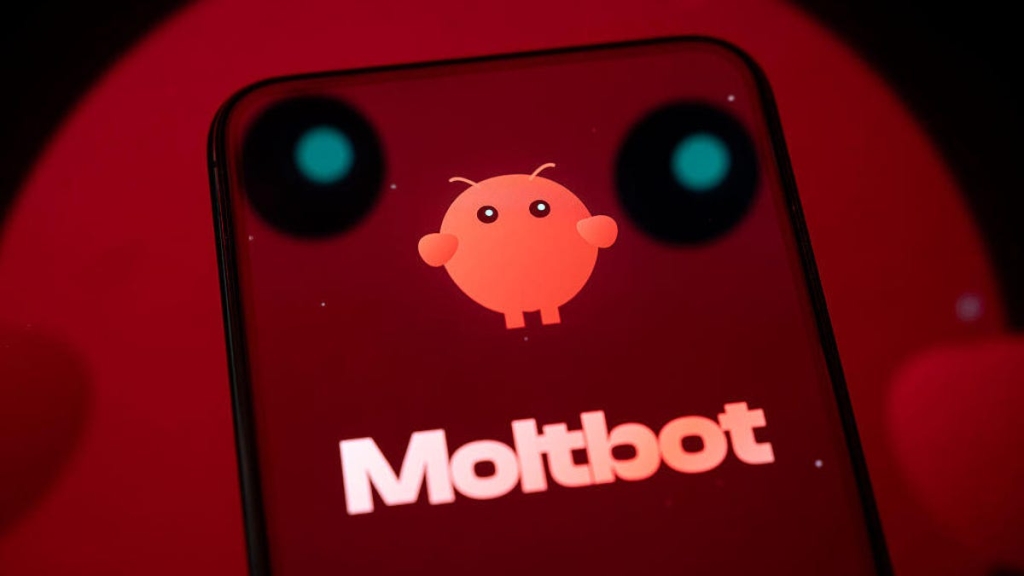
Moltbot: The Viral AI Assistant That’s Raising Major Security Concerns
Introduction: The Rise of Moltbot
In the rapidly evolving landscape of artificial intelligence, a new player has emerged that’s capturing the internet’s attention: Moltbot. Originally known as Clawdbot, this AI assistant has gone viral with its promise to be “an AI that actually does things.” Developed by Austrian programmer Peter Steinberger, Moltbot represents a new frontier in personal AI assistants—one that can manage your digital life, handle emails, send messages, and even perform actions like flight check-ins on your behalf.
But as Moltbot’s popularity skyrockets—with over 100,000 GitHub stars in just days—security experts are sounding the alarm about the potential risks of using this autonomous agent. This article delves into what Moltbot is, why it’s gone viral, and the critical security concerns you need to know before considering using it.
What Makes Moltbot Different?
Unlike traditional chatbots that simply respond to queries, Moltbot is designed to take action. It integrates with over 50 different services and applications, including iMessage, WhatsApp, Telegram, and various productivity tools. The AI can read your emails, send messages on your behalf, browse the web, execute shell commands, and even control your entire computer system if granted permission.
Moltbot leverages powerful language models from Anthropic’s Claude and OpenAI’s ChatGPT, combining their capabilities with a user-friendly interface that presents itself as a friendly crustacean. The open-source nature of the project has contributed to its rapid growth, with hundreds of contributors joining the GitHub repository in recent days.
The Viral Explosion
Moltbot’s rise to viral status has been nothing short of meteoric. In the world of open-source AI projects, reaching 100,000 stars on GitHub is a significant milestone that typically takes months or even years. Moltbot achieved this in days, making it one of the fastest-growing AI projects in history.
This explosive growth has created a perfect storm of excitement and concern. On one hand, the open-source community is thrilled by the innovation and potential of such an autonomous agent. On the other hand, the rapid pace of development and adoption has left security researchers scrambling to understand and communicate the risks.
The Dark Side: Security Concerns You Can’t Ignore
1. Scammers Exploiting Viral Popularity
Whenever a technology goes viral, it creates opportunities for malicious actors. Moltbot is no exception. Security researchers have already identified fake repositories and crypto scams attempting to capitalize on the hype. In one notable incident, scammers launched a fraudulent “Clawdbot AI” token that managed to raise $16 million before crashing, demonstrating how quickly bad actors can exploit viral trends.
The advice is clear: if you’re considering trying Moltbot, ensure you’re downloading it only from official, trusted repositories. The official GitHub repository and documentation should be your only sources.
2. Granting AI Access to Your Digital Life
The fundamental premise of Moltbot is that it needs extensive access to be useful. To function as an autonomous assistant, you must grant it permissions to access your accounts, read your emails, send messages, and potentially control your computer system. This creates what security experts call a “large attack surface.”
Cisco researchers have gone so far as to call Moltbot an “absolute nightmare” from a security perspective. The AI’s ability to run shell commands, read and write files, execute scripts, and perform computational tasks on your behalf means that any misconfiguration or compromise could expose your data to significant risk.
3. Exposed Credentials and Misconfigured Instances
Security researcher Jamieson O’Reilly has been monitoring Moltbot deployments and discovered numerous instances that were connected to the web without proper authentication protection. These exposed instances leaked sensitive information including Anthropic API keys, Telegram bot tokens, Slack OAuth credentials, and even conversation histories.
While the Moltbot development team has responded quickly to implement new security measures, the incident highlights a critical concern: the responsibility ultimately falls on users to properly configure and secure their Moltbot instances. Many users may not have the technical expertise to do this correctly, creating a widespread security vulnerability.
4. The Prompt Injection Nightmare
Prompt injection attacks represent one of the most significant security challenges for AI systems, and Moltbot is particularly vulnerable. This attack vector involves crafting malicious instructions that an AI system will read and execute, potentially leading to data leaks, unauthorized actions, or system compromises.
Security expert Rahul Sood, CEO of Irreverent Labs, has expressed serious concerns about Moltbot’s security model, stating it “scares the sh*t out of me.” The fundamental problem is that Moltbot is designed to read and process content from sources you don’t control—web pages, emails, documents, and other external sources. Any of these could contain hidden malicious instructions that the AI would execute.
Moltbot’s documentation acknowledges this isn’t a solved problem, noting that “even if only you can message the bot, prompt injection can still happen via any untrusted content the bot reads.” This means the sender isn’t the only threat—the content itself can carry adversarial instructions.
5. Malicious Skills and Extensions
The open nature of Moltbot’s ecosystem, while a strength, also creates opportunities for malicious actors. Security researchers have already identified fake VS Code extensions disguised as Moltbot tools that were actually Trojans designed for surveillance and data theft.
The incident where a security researcher created a safe but backdoored skill that was downloaded thousands of times demonstrates how quickly malicious content can spread in a viral ecosystem. As Moltbot’s popularity grows, the challenge of vetting and securing the ecosystem of skills and extensions will become increasingly difficult.
The Broader Implications
Moltbot represents more than just another AI tool—it’s a glimpse into a future where AI agents have significant autonomy and access to our digital lives. The security challenges it presents are likely to become more common as similar technologies emerge.
The tension between convenience and security is at the heart of the Moltbot debate. The more capable and autonomous an AI assistant becomes, the more access it needs, and the greater the potential security risks. This creates a fundamental challenge for the industry: how to build powerful, useful AI agents without creating unacceptable security vulnerabilities.
Expert Recommendations
If you’re considering using Moltbot or similar AI assistants, security experts recommend several precautions:
Start Small: Begin with minimal permissions and gradually grant more access only as needed. Don’t give the AI system-wide control from the start.
Use Isolation: Consider running Moltbot in a virtual machine or containerized environment that’s isolated from your main system and sensitive data.
Monitor Activity: Keep track of what the AI is doing and regularly review its activity logs for any suspicious behavior.
Stay Updated: Ensure you’re using the latest version with all security patches applied, as the development team is actively working on security improvements.
Understand the Risks: Be fully aware that you’re granting significant access to your digital life and that there are inherent security risks that may not be fully mitigatable.
The Future of AI Assistants
Despite the security concerns, Moltbot represents an important step in the evolution of AI technology. The demand for such tools is clear—people want AI that can actually do things, not just chat. The challenge for the industry will be to find ways to deliver this functionality while maintaining acceptable security standards.
The Moltbot experience may serve as a valuable lesson in balancing innovation with security. As AI agents become more prevalent in our daily lives, the security frameworks and best practices developed to address these challenges will become increasingly important.
Conclusion: Proceed with Caution
Moltbot’s viral success is a testament to the appetite for more capable AI assistants, but it also serves as a warning about the security challenges these technologies present. The combination of rapid adoption, extensive system access, and unresolved security vulnerabilities creates a potentially dangerous situation for users who aren’t fully aware of the risks.
While Moltbot and similar technologies may well be the future of how we interact with AI, the current implementation highlights the need for robust security frameworks, better user education, and perhaps most importantly, a careful consideration of whether the convenience offered is worth the potential security trade-offs.
As with any emerging technology, the key is to proceed with caution, stay informed about the risks, and make decisions based on a clear understanding of both the benefits and the potential consequences. The viral success of Moltbot may be just the beginning of a new era in AI assistance, but it’s one that we need to navigate carefully to avoid the security pitfalls that could undermine the technology’s potential.
AI agent, autonomous AI, Moltbot, Clawdbot, security risks, prompt injection, AI security, open source AI, viral technology, cybersecurity, AI assistant, system access, credential exposure, malicious extensions, AI safety, digital privacy, autonomous systems, AI governance, tech security, data protection
AI that actually does things, viral AI assistant, security nightmare, prompt injection attacks, exposed credentials, malicious skills, crypto scams, AI agent security, system-level access, digital kingdom compromise, AI surveillance risks, backdoored extensions, autonomous AI dangers, viral tech security, credential leaks, AI ecosystem threats, convenience vs security, AI governance challenges, tech innovation risks, digital privacy concerns
“absolute nightmare” from a security perspective, “scares the sh*t out of me,” AI that actually does things, scammers around the world are rejoicing, granting access to a system that will read content from sources you don’t control, the sender is not the only threat surface, the content itself can carry adversarial instructions, viral interest creates opportunities for scammers, handing over the keys to your digital kingdom, exposed credentials nightmare, prompt injection attack vector, malicious skills and content flood, viral AI assistant security concerns, balancing convenience with security risks, AI agent security framework needed, rapid adoption security challenges, open source AI security paradox, credential exposure epidemic, malicious extension detection challenge, AI ecosystem trust issues, digital life access dangers, system control security risks, AI assistant privacy trade-offs, autonomous AI governance gap, viral tech security lessons, credential leak prevention strategies, prompt injection defense challenges, malicious content detection in AI ecosystems, user education for AI security, virtual machine isolation for AI assistants, activity monitoring for autonomous agents, security patch importance for AI tools, risk awareness for AI adoption, future of secure AI assistance, navigating AI innovation safely, security frameworks for autonomous systems, balancing AI capability with security, viral technology security implications, credential protection in AI ecosystems, content-based AI attacks, extension security in open source projects, AI agent permission management, digital privacy in the age of autonomous AI, security-conscious AI adoption strategies
,

Leave a Reply
Want to join the discussion?Feel free to contribute!