
The world’s first EV with a sodium-ion battery has landed – and it beats traditional lithium batteries in one key way
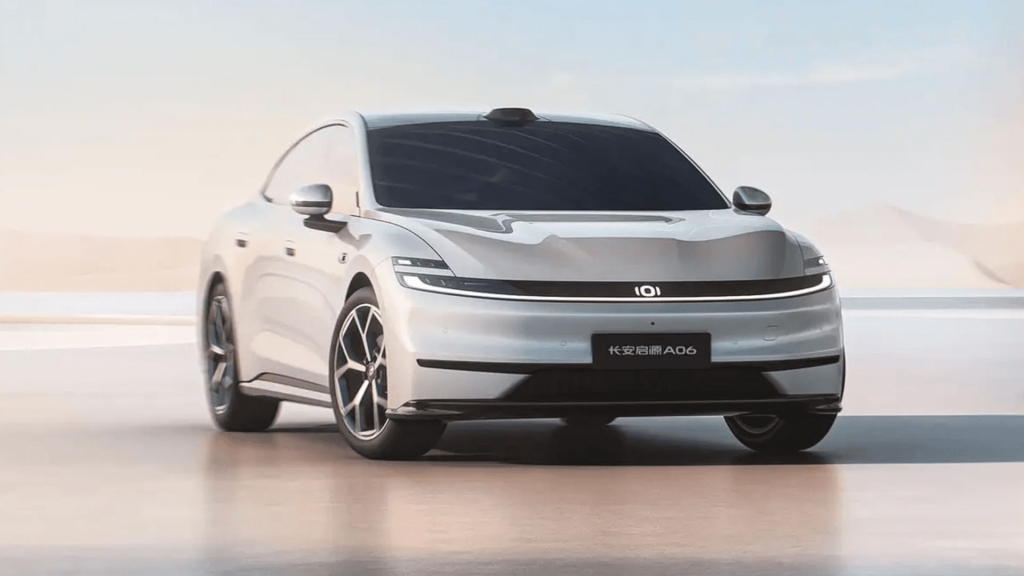
Changan Makes History with World’s First Mass-Produced Sodium-Ion EV Battery
In a groundbreaking development that could reshape the electric vehicle industry, Changan has become the first automaker to deploy mass-produced sodium-ion batteries in a production vehicle. The Chinese automaker’s Nevo A06 EV will be the first to feature CATL’s revolutionary Naxtra sodium-ion battery pack, marking a significant milestone in battery technology evolution.
Extreme Weather Performance That Defies Physics
The battery underwent rigorous winter testing in Inner Mongolia’s brutal conditions, where temperatures plummeted to a staggering -50°C (-58°F). At -40°C (-40°F), the sodium-ion pack retained over 90% of its original capacity—a feat that conventional lithium iron phosphate (LFP) batteries struggle to match.
“Most EVs are designed to operate within a relatively narrow temperature range,” explains battery technology analyst Marcus Chen. “The fact that this sodium-ion battery can charge and discharge normally at -50°C is nothing short of remarkable. This could be the solution to one of EV adoption’s biggest pain points in cold climates.”
Why Sodium-Ion Could Be a Game-Changer
Sodium-ion technology offers several compelling advantages over traditional lithium-ion batteries:
Abundant Resources: Sodium is approximately 1,000 times more abundant than lithium and widely distributed globally, reducing dependency on lithium-rich regions and potentially stabilizing supply chains.
Enhanced Safety: The chemistry presents a significantly reduced risk of thermal runaway, addressing one of the primary safety concerns with current EV batteries.
Cost Efficiency: Production costs could be substantially lower than lithium-ion alternatives, potentially making EVs more accessible to mass markets.
Cold Weather Performance: Unlike lithium-ion batteries that can lose up to 40% of their range in freezing temperatures, sodium-ion technology maintains consistent performance even in extreme cold.
The Changan Nevo A06: First of Many?
The Naxtra battery pack in the Nevo A06 has a capacity of 45kWh, delivering approximately 250 miles of range on China’s CLTC test cycle. While this range is comparable to entry-level LFP-based EVs, the cold weather performance is dramatically superior.
Changan is reportedly considering expanding sodium-ion technology across its vehicle lineup, recognizing the potential for significant cost savings and performance benefits in diverse climate conditions.
CATL’s Dual-Chemistry Vision
CATL, the world’s largest EV battery manufacturer, views this development as the beginning of a “dual-chemistry” era for electric vehicles. The company envisions a future where manufacturers can select the optimal battery chemistry for specific applications and regional requirements.
“For vehicles operating in extreme cold or regions with limited lithium resources, sodium-ion makes perfect sense,” says Dr. Wei Zhang, CATL’s chief technology officer. “Meanwhile, our latest 5C lithium-ion packs offer unparalleled longevity and charging speeds for other applications.”
The Lithium-Ion Counterpunch
While sodium-ion technology makes headlines, lithium-ion batteries continue their rapid evolution. CATL’s latest 5C lithium-ion pack claims to retain 80% of its original capacity after 3,000 full charge cycles—even when using the fastest public charging stations.
This translates to approximately 1.1 million miles of driving before the battery degrades to a level that might concern most drivers. The “5C” designation indicates the battery can theoretically charge from empty to full in just 12 minutes under optimal conditions.
Industry Implications
The introduction of sodium-ion batteries could have far-reaching implications for the EV industry:
Supply Chain Diversification: Reduced reliance on lithium mining could ease geopolitical tensions and environmental concerns associated with lithium extraction.
Market Expansion: Enhanced cold-weather performance could accelerate EV adoption in northern regions of North America, Europe, and Asia where winter range anxiety has been a significant barrier.
Cost Reduction: Lower production costs could help manufacturers offer more affordable EV options, accelerating the transition away from internal combustion engines.
Environmental Impact: Sodium extraction is generally less environmentally damaging than lithium mining, potentially improving the overall sustainability profile of electric vehicles.
The Road Ahead
As the Nevo A06 begins deliveries in China, the automotive world watches closely. If sodium-ion technology proves reliable in real-world conditions, it could trigger a wave of adoption across the industry.
“We’re at the beginning of what could be a battery technology revolution,” notes automotive industry analyst Sarah Rodriguez. “Sodium-ion offers solutions to some of the most persistent challenges facing EV adoption today. Combined with continued lithium-ion improvements, consumers will soon have unprecedented choice in how their electric vehicles are powered.”
The race to electrify transportation just got more interesting, with chemistry playing as crucial a role as engineering in determining the future of mobility.
tags #sodiumion #evbattery #changan #catl #nevoa06 #electrictechnology #coldweatherperformance #greenenergy #evrevolution #batteryinnovation #futureofmobility #sustainabletransport #evadoption #technologybreakthrough
viral #gamechanger #coldweatherchampion #batterybreakthrough #evtechnology #greentransition #automotiveinnovation #sodiumrevolution #winterready #sustainablefuture #techinnovation #evindustry #batteryscience #transportationevolution #cleanenergy
trending #breakingnews #mustsee #gamechangingtechnology #futureisnow #technologyevolution #evnews #batterytechnology #greenrevolution #sustainableinnovation #automotivefuture #nextgeneration #energytransition #technologicalbreakthrough #industrydisruption
,


Leave a Reply
Want to join the discussion?Feel free to contribute!