
There’s a New Term for Workers Freaking Out Over Being Replaced by AI
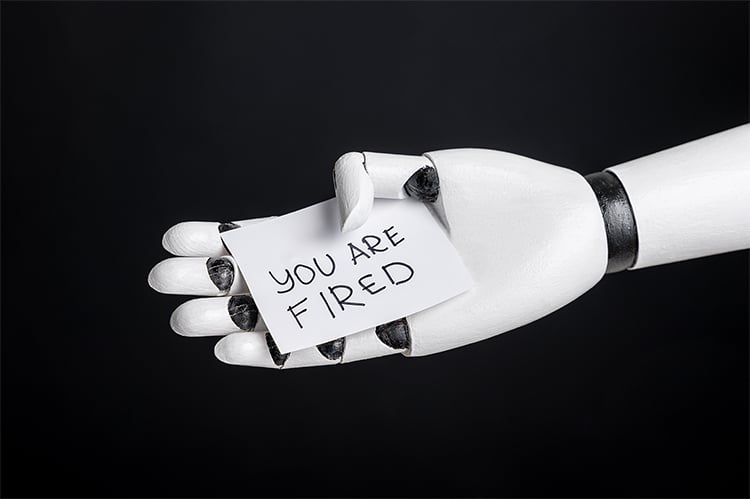
The Silent Epidemic: How AI Anxiety Is Destroying Workers’ Mental Health — And Why It’s Not Just “In Your Head”
The robots aren’t coming for your job — they’re already here, and they’re wreaking havoc on your mental health in ways scientists are only beginning to understand.
While hard data showing mass AI-driven unemployment remains elusive, a disturbing new reality is emerging: workers across America are experiencing unprecedented psychological distress from the mere threat of AI replacement. So severe is this phenomenon that medical researchers have proposed naming it: AI Replacement Dysfunction, or AIRD.
The Anxiety That’s Breaking Brains
Published in the medical journal Cureus and first reported by Futurism, groundbreaking research reveals that workers are suffering from a constellation of symptoms directly linked to AI anxiety. The proposed clinical construct of AIRD describes the psychological and existential distress experienced by individuals facing the threat or reality of job displacement due to artificial intelligence.
The symptoms read like a horror story of modern work life: chronic anxiety that keeps you up at night, insomnia that turns 3 AM into your new best friend, crushing depression that makes Sunday nights feel like death sentences, and identity confusion that makes you question your entire purpose. It’s not just about losing a paycheck — it’s about losing your sense of self, your relevance, your future.
And it gets worse. The research indicates that AIRD sufferers are at increased risk for psychiatric disorders and substance abuse. When your entire identity is wrapped up in your work, and you’re constantly bombarded with headlines about AI taking over your industry, the psychological toll becomes catastrophic.
The Numbers Don’t Lie: America Is Freaking Out
The anxiety is real, measurable, and terrifyingly widespread. A recent Reuters/Ipsos poll found that 71% of Americans are concerned that AI will put “too many people out of work permanently.” That’s not a fringe concern — that’s a supermajority of the country living in dread.
Pew Research paints an equally grim picture: more than half of Americans are worried about how AI in the workplace will impact their jobs. But here’s the kicker — it’s not just white-collar workers in tech hubs who are panicking. Lower- and middle-class Americans believe AI will worsen their job prospects more than any other group, creating a perfect storm of economic anxiety and technological dread.
Another study published in the Journal of the American Medical Association found that people working in jobs particularly susceptible to automation report significantly higher levels of stress and negative emotions. It’s not paranoia if they really are coming for your job — except, well, maybe they’re not.
The Great Disconnect: Fear vs. Reality
Here’s where it gets really interesting — and frustrating. Despite all this anxiety, surprisingly few actual job cuts have been directly attributed to AI. A Gizmodo analysis found that only a tiny fraction of layoffs in 2025 were explicitly linked to AI replacement, even though countless companies have used AI as convenient cover for broader workforce reductions.
But the damage is being done anyway. Entry-level workers are having an exceptionally hard time breaking into the job market, with some studies suggesting AI is “crushing” early-career opportunities. Companies are increasingly turning over entry-level tasks to AI systems, creating a bottleneck for new workers trying to gain experience.
The cruel irony? The economy was already struggling before AI entered the picture. What we’re experiencing isn’t necessarily an AI apocalypse — it’s a regular economic shitshow that tech companies are cynically exploiting. As one analysis bluntly put it: AI isn’t killing jobs — late-stage capitalism is.
The Narrative Factory: Who Benefits From Your Fear?
The tech industry has a vested interest in making you believe AI is coming for your job. Companies building these AI systems benefit enormously from the narrative that their models are capable of human-level work. It justifies their sky-high valuations, attracts investor dollars, and gives them leverage in labor negotiations.
As one sharp observer noted, hearing about AI taking over your job is basically unavoidable — whether the threat is real or not. The tech press, industry analysts, and company PR machines are all pumping out stories about AI automation, creating a feedback loop of anxiety that serves their interests perfectly.
It’s psychological warfare, and workers are losing their minds in the crossfire.
The Medical Community Fights Back
While AIRD isn’t yet an accepted clinical diagnosis, researchers have developed a framework to identify it, including screening questionnaires designed to help clinicians spot potential symptoms. The proposed treatments are familiar but crucial: Cognitive Behavioral Therapy and other cognitive restructuring techniques to help patients build psychological resilience and restore a coherent sense of self.
The message is clear: if you’re suffering from AI anxiety, you’re not weak, you’re not crazy, and you’re definitely not alone. You’re experiencing a documented psychological response to a manufactured crisis.
Coping Strategies: From Therapy to Office Space
The researchers recommend professional mental health support, but let’s be honest — sometimes you need more than therapy. The article cheekily suggests you could “go all Office Space on a data center” — a reference to the cult classic film where workers take baseball bats to a printer in cathartic destruction.
While we don’t actually recommend destroying company property, the sentiment resonates: sometimes you need to reclaim some agency in a system that feels completely out of your control. Whether that’s through therapy, career pivoting, union organizing, or yes, maybe some metaphorical printer-smashing, finding ways to cope with AIRD is becoming essential for modern workers.
The Bottom Line: This Is a Mental Health Crisis
AI Replacement Dysfunction represents something new and terrifying in the American workplace: a psychological epidemic driven not by actual job losses, but by the constant, inescapable fear of job losses. It’s anxiety as a weapon, deployed by corporations and amplified by media, with devastating consequences for workers’ mental health.
The tech industry is winning the PR war, but workers are paying the price in sleepless nights, crushing depression, and existential dread. Until we recognize AI anxiety as the serious mental health crisis it is — and start treating it accordingly — millions of Americans will continue suffering in silence, wondering if they’ll be next.
The robots may not be taking your job tomorrow. But they’re definitely taking your peace of mind today.
Tags: AI anxiety, AIRD, artificial intelligence, job displacement, mental health, workplace stress, automation, cognitive behavioral therapy, existential dread, tech layoffs, early career jobs, psychological distress, AI replacement dysfunction, workers rights, economic anxiety, tech industry, labor market, mental health crisis, office space, printer smashing, cognitive restructuring, psychiatric disorders, substance abuse, Reuters Ipsos poll, Pew Research, JAMA study, entry level jobs, late stage capitalism, narrative control, psychological warfare, therapy, resilience building
Viral Sentences: AI is crushing early career job markets, tech bros want you terrified, the economy sucks regardless of technological innovation, go all Office Space on a data center, this isn’t paranoia if they really are coming for your job, psychological warfare and workers are losing their minds, anxiety as a weapon deployed by corporations, millions suffering in silence, robots taking your peace of mind, the cruelest irony of modern work life, manufactured crisis of the tech industry, cognitive restructuring techniques for AI anxiety, existential distress in the age of automation, the silent epidemic destroying workers’ mental health, documented psychological response to manufactured crisis, finding agency in a system out of control, therapy or metaphorical printer smashing, recognizing AI anxiety as serious mental health crisis.
,


Leave a Reply
Want to join the discussion?Feel free to contribute!