
There’s A Reason SpaceX Stopped Launching From Kennedy Space Center
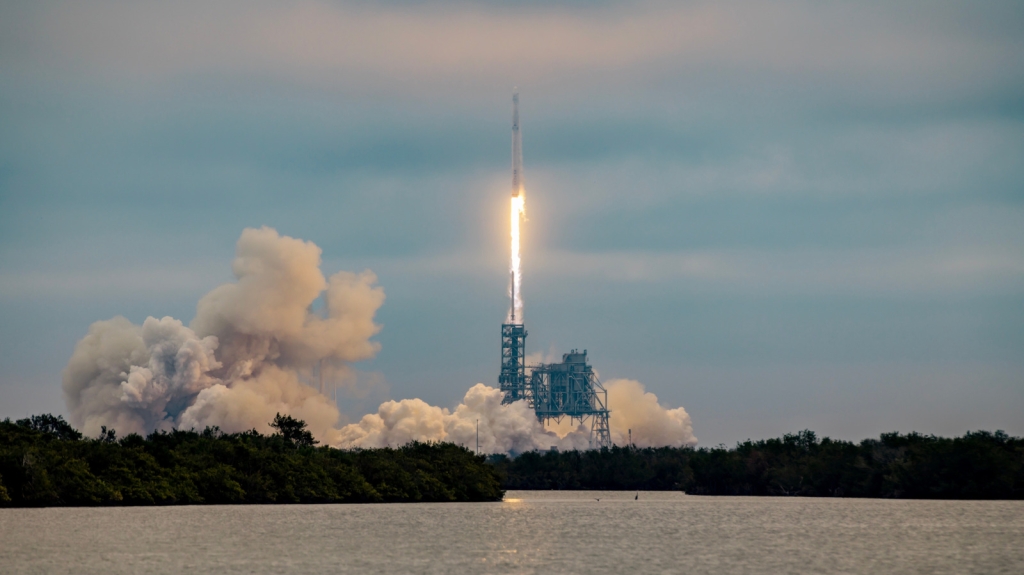
SpaceX Shifts Launch Operations Away from Kennedy Space Center as Starship Era Begins
In a major strategic pivot that signals the dawn of a new era in space exploration, SpaceX is dramatically shifting its launch operations away from NASA’s historic Kennedy Space Center, marking the end of an era that began with moon landings and space shuttle missions.
The legendary Launch Complex 39A, where Apollo astronauts embarked on their journey to the moon and where space shuttles roared to life for decades, has seen its last SpaceX Falcon 9 launch for the foreseeable future. On December 17, 2025, the final mission lifted off from this hallowed ground, and industry insiders suggest we may not see another SpaceX launch from 39A until a tentative July 2026 Falcon Heavy mission carrying the Astrobotic Griffin lunar lander and the cutting-edge FLIP lunar rover.
During a crucial Crew-12 pre-launch press briefing in February 2026, SpaceX’s senior mission manager Lee Echerd revealed the company’s ambitious plans for the future. “We’re reserving LC 39A for Falcon Heavy launches and, hopefully, our first Starship launches later this year,” Echerd stated, sending ripples through the aerospace community.
This strategic shift isn’t arbitrary. SpaceX has been methodically preparing for this transition for years. The company began modifying Space Launch Complex 40 (SLC-40) at Cape Canaveral Space Force Station in 2023, completing extensive upgrades in 2024 to support crewed Dragon missions. This complex, located just miles from the iconic 39A, has quietly become the workhorse of SpaceX’s operations.
The move makes practical sense on multiple levels. SLC-40 offers several advantages for routine operations, including easier access for booster recovery operations. After all, SpaceX’s revolutionary reusable rocket technology has made landing and recovering boosters a routine part of spaceflight—something that would have seemed like science fiction just a decade ago.
But the real story here is what’s coming next. SpaceX’s Starship program represents the company’s most ambitious project yet—a fully reusable spacecraft designed to carry humans to the Moon, Mars, and beyond. The Federal Aviation Administration has confirmed that SpaceX plans to install new infrastructure at LC 39A to support Starship-Super Heavy launches, though the company must first obtain the necessary vehicle operator licenses.
This transition reflects the maturation of SpaceX’s operations. While the company cut its teeth launching Falcon 9 rockets from both complexes, the future belongs to Starship—a vehicle that’s already proven itself in multiple test flights from SpaceX’s private facility in Boca Chica, Texas. Those early tests, some of which ended in spectacular explosions, have given way to increasingly successful missions as engineers solved critical re-entry challenges.
The differences between Starship V1 and the upcoming V2 are substantial, with re-entry capabilities representing one of the most significant improvements. These advancements have brought SpaceX closer to its goal of creating a fully reusable transportation system that could revolutionize space access.
Industry analysts note that this shift also reflects the changing dynamics of the commercial space industry. As SpaceX moves from being a disruptive startup to an established aerospace leader, its operational decisions carry weight throughout the sector. The company’s choice to consolidate Falcon 9 operations at SLC-40 while preparing 39A for Starship demonstrates a level of operational sophistication that was unthinkable when SpaceX first began launching rockets.
The historical significance of this transition cannot be overstated. LC 39A has been the starting point for some of humanity’s greatest achievements in space. Now, as SpaceX prepares it for the next generation of space exploration, we’re witnessing the passing of the torch from the Apollo era to a new age of commercial spaceflight.
What makes this particularly fascinating is how SpaceX is balancing its historic legacy with its future ambitions. While 39A will soon host Starship launches that could take humans back to the Moon and eventually to Mars, the company isn’t abandoning its proven workhorse. Falcon 9 will continue flying from SLC-40, ensuring continuity of operations while Starship undergoes its final development phases.
The timing of this transition also aligns with broader industry trends. As NASA and other space agencies look to return humans to the lunar surface and eventually mount crewed missions to Mars, the capabilities that Starship promises become increasingly relevant. SpaceX’s decision to focus its most historic launch pad on this revolutionary vehicle suggests confidence in its development timeline.
For space enthusiasts and industry watchers, this shift represents more than just a change in launch locations. It’s a clear signal that the future of space exploration is arriving faster than many anticipated. The days of single-use rockets and limited space access are giving way to reusable vehicles and routine spaceflight operations.
As we look toward the future, the question isn’t whether SpaceX will successfully transition to Starship operations, but rather how quickly this new vehicle will transform our relationship with space. With LC 39A being prepared for these historic launches, we may be witnessing the final preparations before humanity takes its next giant leap.
Tags & Viral Phrases:
🚀 SpaceX Kennedy Space Center Exit
🌕 Apollo Era Ends, Starship Era Begins
💥 Falcon 9’s Final 39A Launch
🛰️ SpaceX’s Historic Launch Complex Transition
🌎 Reusable Rocket Revolution
🔥 Starship V2 vs V1: The Evolution
💰 Space Industry’s Billion-Dollar Shift
🏗️ Infrastructure Changes at 39A
🎯 SpaceX’s Strategic Masterstroke
🌌 The Future of Space Exploration
🔭 NASA’s Historic Pad Gets New Purpose
🤖 Autonomous Spacecraft Revolution
⚡ SpaceX’s Game-Changing Move
📊 Commercial Space Industry Transformation
🧪 Boca Chica to Cape Canaveral: Starship’s Journey
🎯 SpaceX’s Multi-Complex Strategy
🚀 The End of an Era, The Dawn of a New One
🌟 Space Exploration’s Next Chapter
⚠️ FAA Licensing and Regulatory Hurdles
🔧 Engineering Marvel: Starship Development
,


Leave a Reply
Want to join the discussion?Feel free to contribute!