
These Glasses Turn Regular Videos into 3D—No Apps Needed · TechNode
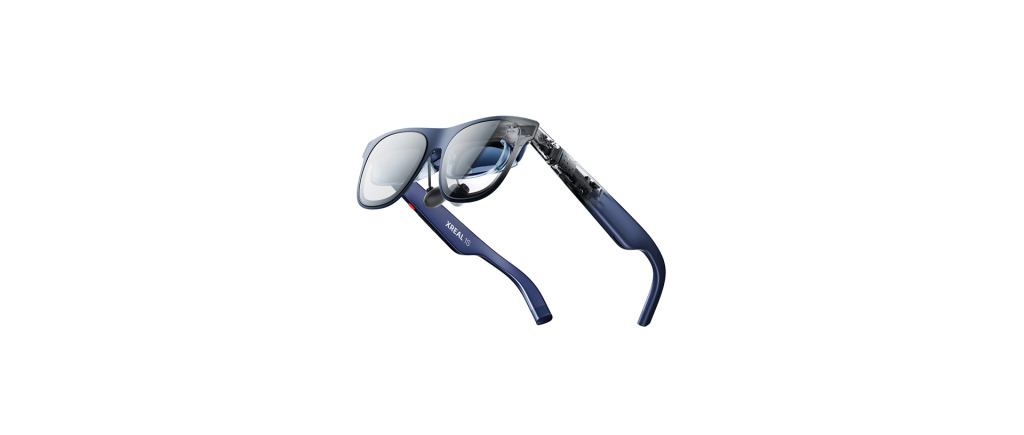
Xreal 1S: Native 3D Conversion on a $449 AR Headset — Here’s What’s New
LAS VEGAS — Xreal is shaking up the augmented reality space once again with the announcement of its latest AR glasses, the Xreal 1S, unveiled at CES 2026. At first glance, the $449 price tag may not seem like a dramatic drop from last year’s model, but when you consider what’s been packed inside — and what’s been stripped away in terms of hassle — it becomes clear this is a calculated move to bring immersive tech to the masses.
Native 2D-to-3D Conversion: The Headline Feature
The most significant leap with the Xreal 1S isn’t in its hardware specs — though those are solid — but in its software capabilities. For the first time, users can convert standard 2D content into 3D directly on the headset itself. That means no more proprietary players, no external software, and no convoluted workflows. Whether you’re watching a YouTube video, streaming a movie, or even gaming in 2D, the 1S will process it in real time and display it in immersive 3D.
This capability alone could redefine how people consume media on AR glasses. Imagine watching The Matrix and feeling like you’re inside the Construct, or replaying Super Mario Odyssey with added depth that makes every jump and spin feel more alive. Xreal is betting big that this feature will be the killer app for mainstream adoption.
Iterative but Meaningful Hardware Refinements
While the software steals the spotlight, the hardware isn’t just standing still. The Xreal 1S bumps its resolution to 1200p per eye, up from 1080p in the previous generation. Brightness also gets a healthy boost, hitting 700 nits — a notable improvement for outdoor visibility. The field of view widens slightly to 52 degrees, edging closer to the sweet spot for immersive experiences without adding bulk.
The design remains lightweight and sleek, built for all-day wear. The temples are thinner, the nose pads more adjustable, and the overall fit more ergonomic. Xreal is clearly listening to user feedback, refining the glasses into a device that’s as comfortable for a four-hour binge session as it is for a quick work call.
Price Drop: More Accessible Than Ever
Perhaps the most consumer-friendly update is the $50 price reduction. At $449, the Xreal 1S undercuts many competitors while offering features that were previously reserved for high-end, enterprise-focused AR headsets. This aggressive pricing strategy could put pressure on rivals like Meta, Apple, and Lenovo, all of whom are pushing into the consumer AR space but at significantly higher price points.
What This Means for the AR Market
Xreal’s approach is a fascinating one: instead of chasing bleeding-edge specs, it’s doubling down on usability and content accessibility. By baking 2D-to-3D conversion directly into the headset, it sidesteps one of AR’s biggest hurdles — the chicken-and-egg problem of content availability. Developers don’t need to create custom 3D experiences; the headset does the heavy lifting.
If this strategy works, it could accelerate AR adoption in much the same way smartphones exploded once app ecosystems matured. And with a price point that doesn’t require financing, the Xreal 1S could be the device that finally brings AR out of the niche and into the living room.
Tags: #Xreal #ARGlasses #CES2026 #3DConversion #AugmentedReality #TechNews #WearableTech #ImmersiveTech #Xreal1S #TechInnovation
Viral Phrases: “2D to 3D in real time,” “AR for the masses,” “CES 2026 game-changer,” “no proprietary players needed,” “$449 price shock,” “native 3D conversion,” “Xreal 1S drops jaws,” “the future of media consumption,” “wearable tech revolution,” “Xreal’s killer app.”
,


Leave a Reply
Want to join the discussion?Feel free to contribute!