
This Common Winter Tire Pressure Mistake May Reduce Your Grip On The Road
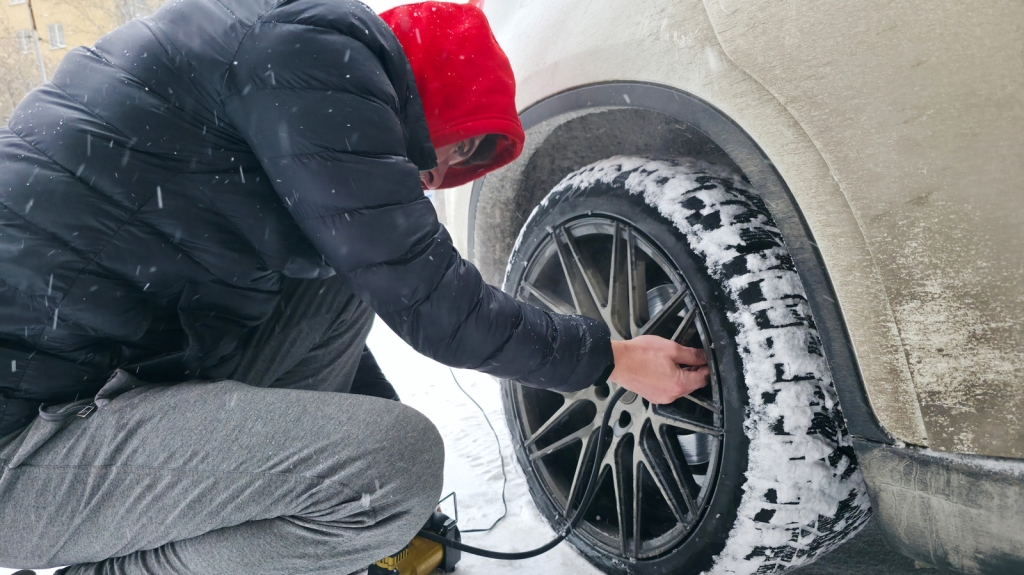
The Hidden Winter Tire Pressure Mistake That Could Cost You Control on Icy Roads
As winter storms intensify across the country, drivers are scrambling to prepare their vehicles for treacherous conditions. While many focus on installing snow tires or switching to four-wheel drive, there’s a critical tire maintenance error that could silently sabotage your safety—overinflation.
The Contact Patch: Your Tire’s Lifeline in Winter
When temperatures plummet, the space where your tire meets the pavement—known as the contact patch—becomes your most valuable asset. This small area is responsible for every turn, stop, and acceleration maneuver. Overinflate your tires, and you’re essentially reducing this crucial contact area, diminishing your vehicle’s ability to grip snow-covered or icy roads.
“Think of it like trying to walk on ice with high heels versus flat shoes,” explains Mark Thompson, a certified mechanic with 20 years of experience. “The smaller surface area dramatically reduces stability.”
Why Overinflation Creates a Perfect Storm of Danger
During winter conditions, your tires already struggle to maintain traction due to snow, ice, and road treatments like salt and sand. When you add excess air pressure into this equation, you’re essentially stacking the deck against yourself. The reduced contact patch means less rubber touching the road, which translates to longer stopping distances and compromised handling.
The consequences extend beyond immediate safety risks. Overinflated tires tend to wear unevenly, with the center of the tread bearing the brunt of the wear. This premature wear not only shortens your tire’s lifespan but also creates dangerous bald spots exactly where you need traction most.
The PSI Puzzle: Temperature’s Sneaky Effect on Tire Pressure
Here’s where many drivers get caught off guard: for every 10-degree Fahrenheit drop in temperature, your tires lose approximately 1 PSI of pressure. This means a tire properly inflated at 70°F could be dangerously underinflated at 20°F—a common scenario during winter months.
Many drivers, unaware of this temperature-pressure relationship, mistakenly add air to compensate for what they perceive as low pressure, inadvertently creating an overinflation problem that compounds their winter driving risks.
Monthly Checks: Your Winter Safety Ritual
The solution is straightforward but requires diligence. Check your tire pressure at least once monthly during winter, and always before embarking on long trips. But here’s the crucial detail: check when tires are cold, as driving heats up the air inside, giving false readings.
Your vehicle’s recommended PSI isn’t a suggestion—it’s a carefully calculated specification. You’ll find this information on a sticker inside your driver’s door jamb or in your owner’s manual. Resist the temptation to inflate to the maximum pressure listed on the tire sidewall; that’s the tire’s maximum capacity, not your vehicle’s optimal pressure.
When in Doubt, Trust the Professionals
If you’re uncomfortable checking or adjusting tire pressure yourself, local tire shops and mechanics offer this service for free or minimal cost. Considering the potential consequences of getting it wrong, this small investment of time or money could literally save your life.
The Bottom Line
Winter driving demands respect and preparation. While snow tires and four-wheel drive get most of the attention, proper tire inflation is the unsung hero of winter safety. Don’t let a simple oversight turn your winter commute into a dangerous gamble with physics.
Remember: in winter conditions, your tires aren’t just rubber meeting the road—they’re your only connection to control, and that connection needs to be perfect.
Tags: winter driving safety, tire pressure mistakes, icy road hazards, car maintenance tips, winter tire care, PSI monitoring, contact patch importance, overinflation dangers, cold weather driving, tire wear prevention
Viral Phrases: “The hidden danger in your winter tires,” “This simple mistake could cost you control,” “Why your tire pressure drops when temperatures fall,” “The contact patch secret that could save your life,” “Don’t let overinflation turn your car into a winter hazard,” “The monthly check that could prevent a deadly accident,” “What mechanics wish every driver knew about winter tires”
,

Leave a Reply
Want to join the discussion?Feel free to contribute!