
This doctor is on the hunt for people with first-rate faeces
The Unlikely Heroes of Modern Medicine: Inside the World of Elite Stool Donors
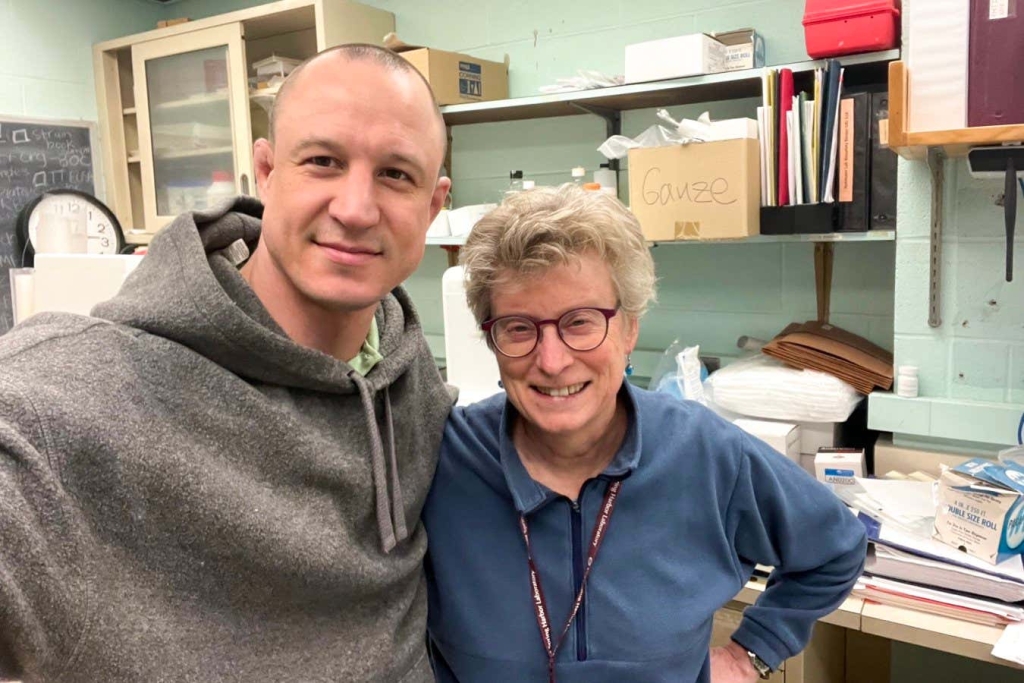
In the sterile, fluorescent-lit corridors of Massachusetts General Hospital, a medical revolution is happening in the most unlikely of places—the bathroom. While most medical breakthroughs happen in gleaming laboratories or cutting-edge surgical suites, Elizabeth Hohmann, an infectious disease expert with 15 years of experience, has found herself at the forefront of a treatment that’s as effective as it is unconventional: fecal microbiota transplantation, or FMT.
The 1% Club: Where Only the Elite Make the Cut
Finding suitable stool donors isn’t just difficult—it’s extraordinarily challenging. According to Hohmann, a mere 1% of people who respond to advertisements for donors are healthy enough to qualify. “It’s actually quite a frustrating activity,” she admits, her voice carrying the weight of countless disappointed potential donors. The screening process is so rigorous that it would make most medical school applications seem like a casual conversation.
The requirements are exacting: no healthcare workers (too high risk for drug-resistant bacteria), no recent travelers to Southeast Asia (same concern), and candidates must be lean—a lesson learned the hard way when obese donors’ stools led to recipients developing obesity themselves. Blood tests screen for HIV, COVID-19, and a host of other conditions. There’s even a rectal exam to check for bleeding or other abnormalities that might signal gut troubles.
The Gold Standard: What Makes a Perfect Donor
Hohmann’s ideal donors aren’t just healthy—they’re exceptional. Her best donors tend to be exercise enthusiasts with meticulously healthy diets. One of her regulars is “a semi-professional athlete who is a personal trainer and gym manager.” These aren’t your average gym-goers; they’re the kind of people who make others feel guilty about their workout routines.
The dietary profile is equally specific. Top-notch stools are associated with diets rich in fresh fruits, vegetables, and whole grains, with minimal ultra-processed foods. While one fecal transplant center exclusively uses vegan donors, Hohmann has found that the best results come from omnivores. “I know one [faecal transplant centre] was talking about only using vegan donors, but actually the best donors I’ve had have been omnivores,” she notes.
The Process: From Toilet to Treatment
The donation process itself is remarkably efficient. A typical donation period lasts two to four weeks, during which donors visit the hospital as many times as possible. “Often, they have very regular bowel movements so they come into the hospital at the same time each day and drink a coffee to get things going,” Hohmann explains. Each stool is caught by a plastic container placed in the lab toilet—a far cry from the privacy of home bathrooms.
The transformation from raw stool to medical treatment happens with surprising speed. Hohmann immediately converts fresh stool into capsules using a process that involves blending with saline, filtering through graded mesh filters, and several more processing steps before the liquid is pipetted into capsules. “It’s not pleasant, but it’s something you kind of get used to,” she says matter-of-factly.
The compensation is straightforward: $1,200 for a month’s worth of donations—a tidy sum for something most people do daily anyway, albeit not under such clinical circumstances.
The Impact: Lives Transformed
The results speak for themselves. Hohmann recently treated a patient so sick he couldn’t work. After receiving the stool capsules, he was able to return to work 30 hours a week. “I keep doing it because, you know, it really does make a huge difference in some people’s lives,” she says, her clinical tone betraying genuine passion for the work.
The treatment is particularly effective for recurrent C. difficile infections that haven’t responded to antibiotics. The “good” gut bacteria from the donor’s feces help to edge out the “bad” bacteria in the recipients’ guts, often alleviating their symptoms completely.
The Crisis: A Looming Retirement and No Successor
Despite the life-changing impact of her work, Hohmann faces a significant challenge: she’s nearing retirement and can’t find a successor. “I keep asking my division, ‘who wants to help out?’. Nobody. It’s silent. They hear about the basics of it and they’re just totally grossed out.”
This reluctance is understandable but unfortunate. The work requires a unique combination of scientific rigor, stomach for the unpleasant, and dedication to helping others. It’s not glamorous, but the results are undeniable.
The Future: A Critical Need for Brave New Donors
As the medical community continues to recognize the importance of gut health and the microbiome’s role in overall wellness, the demand for fecal transplants is likely to grow. This creates an urgent need for more people willing to undergo the rigorous screening process and donate their stools for medical use.
The work of Elizabeth Hohmann and her elite donors represents a fascinating intersection of cutting-edge medicine and ancient wisdom—the recognition that sometimes, the most effective treatments come from the most natural sources. As she continues her work, one can only hope that someone will step forward to carry on this vital, if unconventional, medical practice.
#FecalTransplant #GutHealth #MedicalInnovation #Microbiome #Cdiff #FMT #StoolDonor #MedicalBreakthrough #ElizabethHohmann #MassachusettsGeneralHospital #MedicalResearch #GutBacteria #HealthcareHeroes #MedicalScience #WellnessJourney
“It’s not pleasant, but it’s something you kind of get used to”
“Only about 1 per cent of people who respond to advertisements for donors are healthy enough”
“I ask them to keep coming back to donate because they’re very hard to find”
“Often, they have very regular bowel movements so they come into the hospital at the same time each day and drink a coffee to get things going”
“I keep doing it because, you know, it really does make a huge difference in some people’s lives”
“Nobody. It’s silent. They hear about the basics of it and they’re just totally grossed out”
“The ‘good’ gut bacteria from the donor feces help to edge out the ‘bad’ bacteria in the recipients’ guts”
“You want to make sure they haven’t picked up Salmonella from eating at a terrible restaurant or something”
“I know one [faecal transplant centre] was talking about only using vegan donors, but actually the best donors I’ve had have been omnivores”
“It’s actually quite a frustrating activity”,
Leave a Reply
Want to join the discussion?Feel free to contribute!