
This Infamous Radioactive ‘Tomb’ Is Leaking, And Experts Are Worried : ScienceAlert
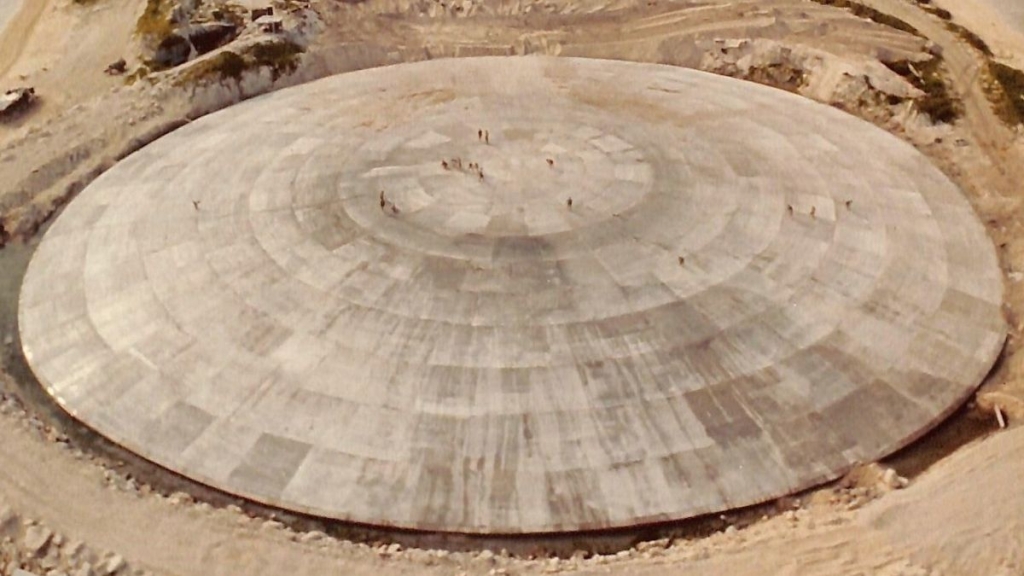
The Runit Dome: A Nuclear Time Bomb Under Threat from Rising Seas
In the remote Pacific Ocean, a small island in the Marshall Islands harbors a chilling legacy of Cold War nuclear testing. The Runit Dome, a massive concrete structure on Runit Island, stands as a stark reminder of humanity’s capacity for destruction and the long-term consequences of nuclear weapons development.
The Birth of a Nuclear Tomb
In 1958, the United States military conducted the “Cactus” test, an 18-kiloton nuclear blast that left a gaping hole on Runit Island. This test was just one of 67 nuclear detonations conducted by the US in the Marshall Islands between 1946 and 1958, a series of explosions that collectively exceeded the power of the Hiroshima and Nagasaki bombs by a thousandfold.
After the Cactus test, the military filled the resulting crater with contaminated soil and debris, creating what would become known as the Runit Dome. This “nuclear tomb” was constructed between 1977 and 1980 as part of military cleanup efforts, designed to contain more than 120,000 tons of radioactive material from the Enewetak Atoll.
A Temporary Solution Becomes Permanent
The Runit Dome was never intended to be a permanent solution. Its construction involved pouring concrete over a 100-meter-wide crater, creating a cap that was supposed to contain the deadly materials beneath. However, the dome’s design and location have proven to be deeply problematic.
Beneath the dome lies a bed of porous coral sediment, and groundwater has already penetrated the otherwise unlined crater. This has led to leaks of radioactive materials, with some experts describing the dome as a “slow-motion disaster” waiting to happen.
Cracks in the Concrete
Recent observations have revealed worrying cracks in the concrete structure of the Runit Dome. These fissures are more than just cosmetic damage; they represent potential pathways for radioactive materials to escape into the surrounding environment.
In 2018, Columbia University chemist Ivana Nikolic-Hughes personally observed these cracks while collecting soil samples on the island. Her research has uncovered elevated radiation levels and significant quantities of five radionuclides in soil samples from outside the dome, raising questions about whether the structure is already leaking or if contamination is due to the haphazard nature of the original cleanup efforts.
The Looming Threat of Climate Change
The most significant threat to the Runit Dome’s integrity comes from an unexpected source: climate change. Rising sea levels pose a grave danger to this low-lying island, with most of Runit Island sitting just two meters above sea level.
Climate scientists predict that the Marshall Islands could experience up to one meter of sea level rise by 2100. This seemingly modest increase could have catastrophic consequences for the Runit Dome. Storm surges, intensified by climate change, could breach the structure, while gradual sea level rise could submerge parts of the dome that were intended to remain above water.
Plutonium: The Gift That Keeps on Giving
The most concerning element contained within the Runit Dome is plutonium-239, a component of nuclear weapons that remains dangerous for more than 24,000 years. This long half-life means that the materials buried beneath the dome will remain hazardous for millennia, far beyond the intended lifespan of the structure.
The Human Cost
The potential failure of the Runit Dome isn’t just an environmental issue; it’s a humanitarian crisis in the making. Runit Island is located about 20 miles from where people live, and the surrounding lagoon is used by local communities. The implications of radioactive contamination spreading through this ecosystem could be devastating for the Marshallese people, who have already suffered greatly from the legacy of nuclear testing.
International Responsibility
There have been calls for the United States to take greater responsibility for the cleanup and long-term management of nuclear waste in the Marshall Islands. In 2024, the US Department of Energy’s Pacific Northwest National Laboratory conducted an investigation into the potential impacts of climate change on the Runit Dome site, acknowledging the serious risks posed by rising sea levels and intensifying storms.
However, many argue that more needs to be done. Researchers like Nikolic-Hughes and Hart Rapaport have urged the US to properly clean up nuclear waste on the islands as part of ensuring a safe future for Marshallese residents.
A Global Wake-Up Call
The situation at Runit Dome serves as a stark reminder of the long-term consequences of nuclear weapons development and testing. It highlights the need for responsible management of radioactive waste and the importance of considering future environmental changes when designing containment structures.
As United Nations special rapporteur Paula Gaviria Betancur noted in 2024, the Marshall Islands face a dual threat: the legacy of nuclear testing and the growing impacts of climate change. These interconnected challenges threaten to displace more Marshallese people, adding to the hundreds already displaced by nuclear testing and military land requisitions.
The Future of Runit Dome
The fate of the Runit Dome remains uncertain. As sea levels continue to rise and storms potentially intensify, the structural integrity of this nuclear tomb is increasingly at risk. The question is not if, but when, action will be taken to address this looming environmental and humanitarian crisis.
For now, the Runit Dome stands as a silent sentinel over its deadly contents, a concrete reminder of past mistakes and a warning about the challenges we may face in the future. As we grapple with the ongoing impacts of climate change and the persistent threat of nuclear weapons, the story of the Runit Dome serves as a sobering call to action.
Tags: #NuclearWaste #ClimateChange #MarshallIslands #RunitDome #NuclearTesting #RisingSeas #EnvironmentalDisaster #Plutonium #ColdWarLegacy #PacificOcean
Viral Sentences:
- “A nuclear tomb in the Pacific is cracking open as seas rise”
- “The concrete cap over 120,000 tons of radioactive waste is failing”
- “Plutonium-239: deadly for 24,000 years, contained by a dome built to last… how long?”
- “Rising seas threaten to unleash a radioactive nightmare in the Marshall Islands”
- “The Cold War’s radioactive legacy meets the climate crisis”
- “A dome designed as temporary now faces permanent inundation”
- “Cracks in the nuclear coffin: when containment fails”
- “The Marshall Islands: caught between nuclear testing and rising tides”
- “A concrete tomb, a coral grave: the fragile containment of nuclear waste”
- “From mushroom clouds to melting ice caps: the double threat to Runit Island”
,

Leave a Reply
Want to join the discussion?Feel free to contribute!