
This Invisible Radioactive Gas Occurs at High Levels in Colorado. Here’s Why. : ScienceAlert
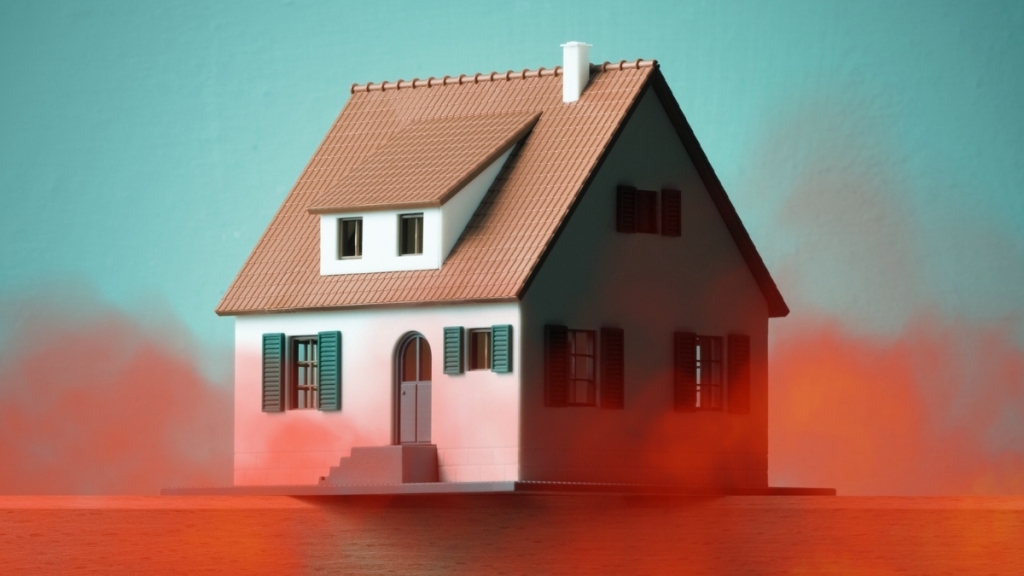
Radon: The Silent Killer Lurking in Colorado Homes
In Colorado, a silent and invisible threat is responsible for approximately 500 deaths annually due to lung cancer, with national statistics showing a staggering 21,000 radon-related lung cancer deaths per year. This odorless, colorless radioactive gas is produced by the natural breakdown of uranium in soil and can accumulate to dangerous levels inside homes, schools, and buildings.
Unlike outdoor radon levels that typically pose no health risk, indoor accumulation creates a serious hazard. The gas seeps through cracked foundations, gaps around sump pumps and drains, and crawl spaces, infiltrating homes of all ages and construction types. What makes radon particularly insidious is its invisibility – residents cannot smell or see it, leaving many unaware of their exposure.
Testing data reveals a concerning gap in awareness, with only about 50% of Colorado homes having been tested for radon levels. This means that half of Colorado’s population may unknowingly live with elevated radon concentrations. While tobacco use remains the primary risk factor for lung cancer, accounting for approximately 86% of all cases, radon stands as the leading cause of lung cancer among non-smokers.
The danger multiplies for tobacco users, as radon exposure compounds the cancer risk. Studies show that approximately 7 in 1,000 non-tobacco users with prolonged exposure to elevated radon levels may develop lung cancer during their lifetime.
Colorado’s unique geology, particularly its granite-rich mountainous regions containing uranium, places it among the top 10 states with the highest radon levels nationwide. About half of tested Colorado homes show radon concentrations exceeding the Environmental Protection Agency’s recommended threshold of 4 picocuries per liter (pCi/L). The state’s average radon level of 6.4 pCi/L is equivalent to receiving 200 chest X-rays annually.
The mechanism of harm occurs when radon decays, releasing radioactive particles that, when inhaled, can damage lung cell DNA. If cellular repair mechanisms fail, this damage can lead to cancer. The cumulative nature of exposure means that prolonged contact with high radon levels over several years significantly increases cancer risk, similar to the pattern seen with tobacco use.
Prevention and Mitigation Strategies
Fortunately, radon exposure is entirely preventable through proper testing and mitigation. Radon mitigation systems, which use fans and pipes to extract gas from beneath foundations and vent it outside, can reduce indoor radon levels by up to 99%.
Testing is straightforward and affordable. Short-term tests take 2-90 days, while long-term tests (90+ days) provide more accurate annual average measurements. Test kits cost under $50 or may be obtained free from various sources, including the University of Colorado Anschutz Cancer Center, which has distributed over 1,600 test kits across 55 Colorado counties. Nearly 40% of distributed tests show radon levels above the EPA threshold.
The EPA recommends testing during colder months when homes are sealed against outdoor air, providing a more accurate assessment of typical exposure levels. Multiple tests over different seasons offer the best understanding of annual radon patterns.
For homes testing at or above 4 pCi/L, mitigation is strongly recommended. This typically involves sealing foundation cracks and installing ventilation systems, with costs ranging from $1,000 to $3,000 depending on home structure. Colorado’s low-income radon mitigation assistance program helps eligible residents access these life-saving modifications.
As a cancer epidemiologist, I urge all Colorado residents to test their homes and take appropriate action. The invisible nature of radon makes awareness and proactive testing crucial for protecting yourself and your family from this preventable health hazard.
#RadonAwareness #LungCancerPrevention #ColoradoHealth #InvisibleThreat #HomeSafety #CancerPrevention #EnvironmentalHealth #RadonTesting #MitigationSolutions #PublicHealthCrisis #SilentKiller #HealthyHomes #ScienceAlert #Epidemiology #RiskReduction
Radon gas exposure
Lung cancer deaths
Colorado geology
Uranium breakdown
Radioactive particles
DNA damage
Cancer risk factors
Home testing kits
Environmental Protection Agency
Picocuries per liter
Granite soil composition
Foundation cracks
Sump pump gaps
Crawl space infiltration
Cumulative exposure
Mitigation systems
Ventilation technology
Low-income assistance
Annual testing recommendations
Seasonal variations
Cellular repair mechanisms
Public health awareness
Preventive healthcare
Residential safety
Invisible health hazards
Environmental radioactivity
Scientific research
Epidemiological studies
Community health initiatives
Life-saving interventions,

Leave a Reply
Want to join the discussion?Feel free to contribute!