
This is not a fly uploaded to a computer
Virtual Fly Brain Upload: Hype or Breakthrough?
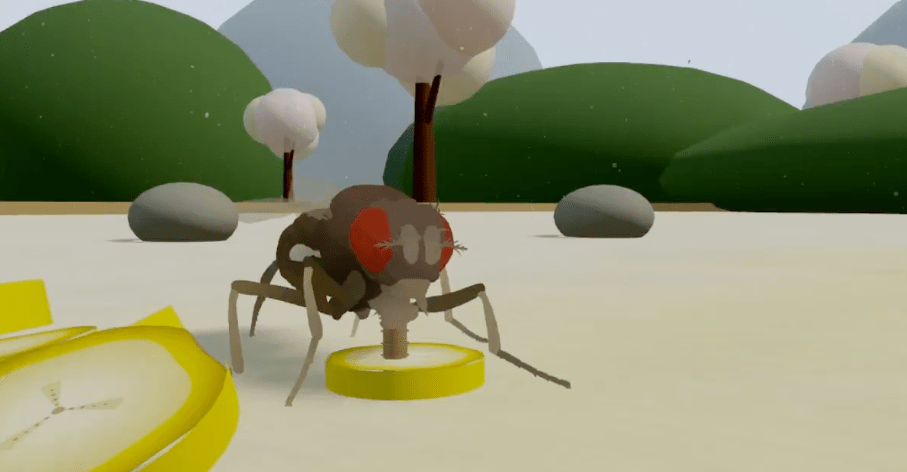
Last week, the internet erupted with excitement over claims of the world’s first “uploaded” fruit fly brain. Videos showing a digital insect walking, eating, and grooming itself spread rapidly across social media, amplified by tech influencers and AI enthusiasts. But beneath the viral buzz lies a far more complex—and far less certain—scientific story.
San Francisco-based Eon Systems ignited the firestorm with posts claiming they had created a “whole-brain emulation” of a fruit fly, complete with “multiple behaviors.” CEO Michael Andregg described it as a “real uploaded animal,” while cofounder Alexander Wissner-Gross hinted at an impending technological singularity. The clips, however, came without peer-reviewed papers, detailed methods, or independent verification—just slick animations and bold captions.
Tech moguls like Elon Musk (“wow”), Bryan Johnson (“this is amazing”), and Peter Diamandis (“this is a living being…online”) added fuel to the hype fire. Content mills quickly repackaged the story as “the first brain upload” and asked, “Are humans next?” (Spoiler: We are not.)
When pressed for details, Andregg shared a blog post outlining the project. Experts consulted by The Verge found it lacking. Neuroscientists noted that while the team combined existing datasets—such as detailed brain maps and body simulations—they had not captured crucial biological details like neurotransmitter activity or synaptic strength. The fly also doesn’t fly. One researcher quipped, “Also, the fly does not fly.”
The claim raises profound philosophical questions: What does it mean to “upload” an animal? Is a simulation with fly-like behaviors truly a fly? Or does “fly” require the full biological package—cells, metabolism, and lived experience? The team’s use of “MVP” (minimum viable product) to describe their creation sparked further debate. “It’s a fly, not an app,” one critic noted.
Andregg doubled down, insisting the virtual insect is “conscious in a limited sense” and can “smell, see, taste, etc.” But experts remain skeptical. Philosopher Jonathan Birch said the term “uploaded animal” is misleading; what Eon aims for is “whole-brain emulation,” leaving the rest of the animal behind.
When asked if he stood by the claim after expert criticism, Andregg conceded the work “isn’t a perfect replica” but maintained that “uploading isn’t a binary concept.” He described different levels of upload, admitting much more work is needed before such technology could apply to humans.
TL;DR: A startup claimed to upload a fruit fly brain, sparking viral excitement. Experts say the work is far from a true upload and raises deep questions about consciousness, identity, and what it means to be alive. The hype may be outpacing the science—by a lot.
Viral Tags & Phrases:
- “First brain upload”
- “Real uploaded animal”
- “Whole-brain emulation”
- “Digital fly”
- “Technological singularity”
- “Consciousness in a fly”
- “Minimum viable product”
- “Are humans next?”
- “The Matrix”
- “Virtual embodiment”
- “91% behavior accuracy”
- “Fly doesn’t fly”
- “Hype vs. science”
- “Uploading isn’t binary”
- “Limited sense of consciousness”
- “Fly-like behaviors”
- “Digital insect simulation”
- “Brain wiring animation”
- “Virtual embodied fly”
- “Tech startup breakthrough”
,

Leave a Reply
Want to join the discussion?Feel free to contribute!