
This Meta smartglasses-detecting app is a great model for Apple Glass developers to follow
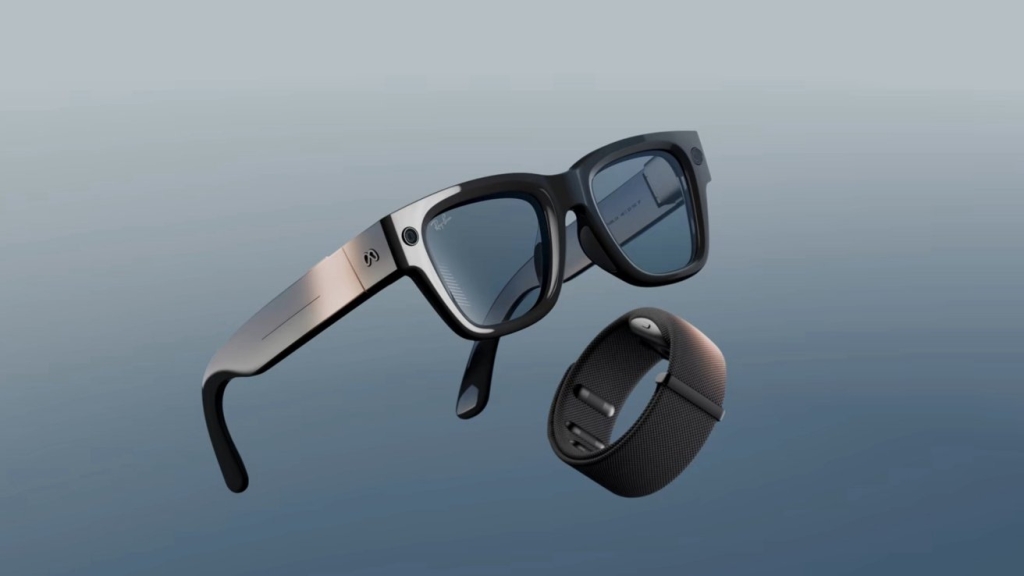
Meta’s Smart Glasses Spark Privacy Nightmare as New App Exposes Urgent Need for Apple’s Safeguards
In a digital age where technology blurs the line between innovation and intrusion, a disturbing trend has emerged that should send chills down the spine of privacy advocates everywhere. Meta’s sleek, stylish smart glasses—designed in partnership with Ray-Ban—are being weaponized to capture footage in the most private of spaces, from public restrooms to courtrooms and medical examination rooms.
The latest revelation comes from a newly released Android application that demonstrates exactly why robust safeguards must be implemented before Apple enters the smart glasses arena with its much-anticipated Apple Glass. This isn’t just a hypothetical concern—it’s a privacy crisis unfolding in real-time.
The Stealthy Surveillance Problem
Unlike Apple’s Vision Pro headset, which resembles a bulky virtual reality device that announces its presence with every movement, Meta’s Ray-Ban Stories glasses masquerade as ordinary eyewear. The frames look indistinguishable from regular sunglasses or prescription glasses, complete with fashionable designs that appeal to mainstream consumers.
This aesthetic camouflage is precisely what makes them dangerous. Users can walk into sensitive areas—changing rooms, jury deliberation spaces, or private medical consultations—and record video without raising suspicion. The glasses feature tiny embedded cameras that can capture footage for up to 60 seconds per clip, and they sync seamlessly with smartphones for immediate upload to social media or cloud storage.
Real-World Violations Already Occurring
Reports are surfacing across social media platforms and privacy forums detailing incidents where individuals discovered they were being recorded without consent. In one particularly egregious case, a gym member reported finding footage of themselves in a locker room that had been uploaded to a public video-sharing platform. Another incident involved a patient who noticed a visitor in their doctor’s office wearing what appeared to be ordinary glasses but later discovered they had been recorded during a sensitive medical examination.
The legal implications are staggering. Most jurisdictions require consent from all parties before recording in private spaces, yet the covert nature of these devices makes enforcement nearly impossible. Law enforcement officials admit they’re struggling to address this emerging threat, as the glasses don’t trigger the same suspicion as holding up a phone or wearing obvious recording equipment.
The App That Changes Everything
Enter the controversial new Android application that’s causing waves in the tech community. This app, which has already amassed thousands of downloads on the Google Play Store, transforms Meta’s smart glasses into a comprehensive surveillance toolkit. While the developer claims it’s intended for legitimate security purposes, privacy experts are sounding the alarm.
The application offers features that include:
Automatic recording triggers that can activate based on voice commands, gestures, or environmental cues. Users can set the glasses to begin recording whenever they enter specific GPS coordinates—perfect for capturing footage in targeted locations.
Live streaming capabilities that bypass traditional recording limitations, allowing real-time broadcast of captured video to predetermined recipients or public channels. This feature effectively eliminates the 60-second recording cap built into the glasses’ native software.
Facial recognition integration that can identify and tag individuals in recorded footage, cross-referencing them against social media databases and public records. The app claims to maintain a searchable database of everyone the user encounters.
Stealth mode enhancements that disable all visual indicators that recording is taking place, including LED lights and audio cues that would normally alert others to the device’s active status.
Privacy advocates argue that this app represents the perfect storm of technology abuse, combining Meta’s hardware vulnerabilities with third-party software that amplifies surveillance capabilities far beyond what regulators envisioned.
Apple’s Opportunity to Get It Right
As Apple prepares to launch its own smart glasses, the Meta Ray-Ban situation serves as a cautionary tale. Industry insiders suggest that Apple has been observing these privacy violations closely, potentially using them to inform their own approach to consumer safety and data protection.
Sources familiar with Apple’s development process indicate that the company is implementing multiple layers of safeguards that could set a new industry standard:
Prominent visual indicators that cannot be disabled, including bright LED lights and on-screen notifications visible to both the wearer and those being recorded. Unlike Meta’s glasses, which feature tiny, easily overlooked indicators, Apple’s design reportedly includes impossible-to-miss signals.
Mandatory consent protocols that require explicit approval from all parties before recording can begin in sensitive environments. The glasses would use contextual awareness to detect locations like hospitals, courts, and private residences, triggering enhanced consent requirements.
Hardware limitations that prevent third-party applications from accessing core recording functions. Apple’s tightly controlled ecosystem would block apps like the controversial Android offering from interfacing with the device’s cameras and microphones.
Blockchain-based consent tracking that creates an immutable record of when and where recordings were made, along with proof of consent from all parties involved. This feature would provide legal protection for users while deterring malicious behavior.
The Regulatory Gap
The current situation exposes a massive regulatory blind spot. Existing privacy laws were written for an era of obvious recording devices—cameras that look like cameras, phones that look like phones. Smart glasses exist in a legal gray area that legislators are struggling to address.
In the United States, wiretap laws vary by state, with some requiring only one-party consent and others demanding approval from everyone being recorded. However, these laws were crafted with traditional recording scenarios in mind. Courts are now grappling with cases involving smart glasses, and precedent is still being established.
European Union regulators have been more proactive, with the GDPR providing stronger protections against non-consensual recording. However, enforcement remains challenging when the recording device is designed to be undetectable.
Tech Industry Responsibility
The Meta Ray-Ban situation raises questions about corporate responsibility in the age of ubiquitous surveillance technology. Meta has faced criticism for prioritizing product aesthetics and marketability over privacy considerations. The company argues that they include standard privacy features and that misuse ultimately falls on individual users, but privacy advocates contend that the design itself enables abuse.
Apple, by contrast, has built its reputation on privacy protection, and the smart glasses opportunity represents a chance to demonstrate leadership in this space. The company’s approach to app store curation and hardware-software integration could provide the guardrails that Meta’s open ecosystem lacks.
Public Awareness and Personal Protection
For now, the burden of protection largely falls on individuals who must navigate spaces where covert recording is possible. Privacy experts recommend:
Visual awareness training to help people recognize the subtle signs that someone might be wearing smart glasses, including the distinctive frames and tiny lens reflections that can indicate embedded cameras.
Environmental precautions such as being mindful of surroundings in sensitive areas and maintaining awareness of who is present during private conversations or activities.
Legal knowledge about recording laws in your jurisdiction and understanding your rights if you discover you’ve been recorded without consent.
Technological countermeasures like infrared light devices that can interfere with camera sensors, though the effectiveness and legality of such tools remains debated.
The Future of Wearable Technology
The controversy surrounding Meta’s smart glasses and the new surveillance app represents a pivotal moment in the evolution of wearable technology. As devices become more powerful, more discreet, and more integrated into daily life, the potential for both innovation and abuse grows exponentially.
Apple’s entry into this market could establish norms that shape the entire industry. If they succeed in creating smart glasses that balance functionality with robust privacy protections, they could set a template that forces competitors to follow suit. If they fail to address these concerns adequately, the privacy violations we’re seeing now could become commonplace.
The stakes couldn’t be higher. Smart glasses represent the next frontier in personal computing, offering unprecedented convenience and capability. But without proper safeguards, they also represent an unprecedented threat to personal privacy and security.
As this technology continues to evolve, one thing is clear: the conversation around privacy, consent, and surveillance must evolve just as quickly. The Meta Ray-Ban situation isn’t just a product failure—it’s a wake-up call for an industry and a society that must reckon with the implications of technology that can see everything while appearing to see nothing at all.
smart glasses privacy invasion, Meta Ray-Ban surveillance, covert recording technology, Apple Glass safeguards, wearable tech privacy concerns, facial recognition glasses, bathroom recording scandal, courtroom surveillance devices, doctor’s office privacy breach, Android surveillance app, smart glasses consent laws, hidden camera eyewear, Meta privacy controversy, Apple vs Meta smart glasses, wearable technology regulation, non-consensual recording, smart glasses legal issues, privacy protection technology, surveillance detection app, smart glasses security features, covert video recording, wearable tech ethics, smart glasses legislation, personal privacy devices, Meta Ray-Ban Stories controversy, Apple privacy leadership, smart glasses safety measures, surveillance technology abuse, wearable camera risks, privacy in the digital age, smart glasses market competition, consent-based recording, smart glasses industry standards, wearable tech accountability, surveillance app download, smart glasses user responsibility, privacy law enforcement challenges, covert recording detection, smart glasses public safety, wearable technology future, surveillance technology regulation, personal data protection, smart glasses design ethics, covert surveillance methods, wearable tech privacy solutions, smart glasses market impact, surveillance technology consequences, privacy advocacy technology, smart glasses consumer awareness
,

Leave a Reply
Want to join the discussion?Feel free to contribute!