
This New Blood Test Can Detect Cancer Before Tumors Appear
Revolutionary CRISPR-Powered Light Sensor Detects Cancer Before Tumors Even Form
In a breakthrough that could redefine early disease detection, scientists have unveiled a groundbreaking blood test capable of spotting cancer’s earliest molecular signatures—long before any tumor becomes visible. This pioneering technology, powered by CRISPR gene-editing tools and advanced light-sensing capabilities, promises to transform how we approach cancer screening and diagnosis.
The innovation comes from a team of researchers who have developed an ultra-sensitive optical biosensor that can identify trace amounts of cancer biomarkers in a single drop of blood. Unlike traditional diagnostic methods that rely on imaging scans or invasive biopsies, this new approach offers a non-invasive, rapid, and highly accurate alternative.
At the heart of the system lies a sophisticated light-based sensor engineered to detect the faintest molecular signals associated with cancerous changes in the body. By leveraging CRISPR technology—the revolutionary gene-editing tool that has already transformed biomedical research—the device can precisely target and amplify specific genetic markers linked to early-stage malignancies.
Here’s how it works: When a small blood sample is introduced to the sensor, specialized CRISPR components scan the genetic material for telltale signs of cancer. These molecular clues, often present in minuscule quantities, are then converted into measurable light signals. The sensor’s extreme sensitivity allows it to pick up these whispers of disease that would otherwise go unnoticed by conventional tests.
What makes this development particularly exciting is its potential to catch cancer at its most treatable stage. Current screening methods often detect cancer only after tumors have formed and sometimes spread. By contrast, this new test could identify the disease when it’s still a collection of rogue cells—offering patients a critical window for intervention.
The implications extend beyond cancer. Researchers believe the same technology could be adapted to detect a wide range of conditions, from infectious diseases to neurodegenerative disorders, simply by tweaking the molecular targets the sensor is designed to recognize.
Early trials have shown remarkable promise. In laboratory settings, the device demonstrated the ability to detect cancer biomarkers at concentrations thousands of times lower than what existing methods can achieve. This level of precision could mean the difference between catching a disease in its infancy versus missing it entirely.
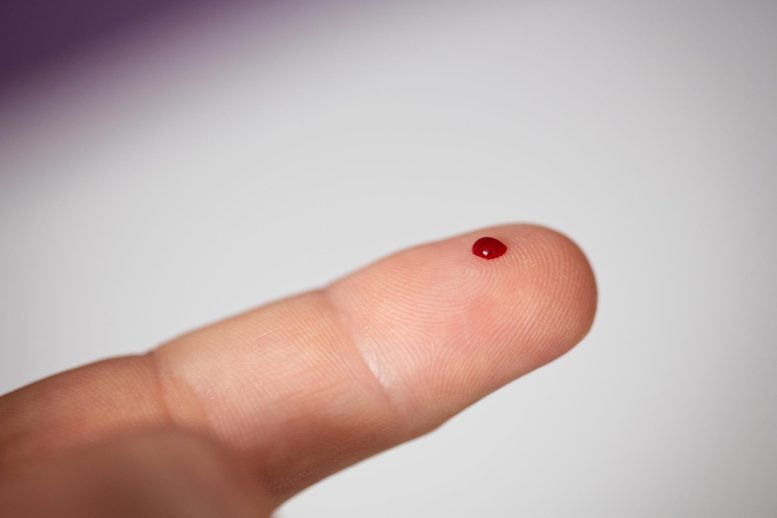
From a practical standpoint, the test’s simplicity is a game-changer. A routine finger prick—similar to what diabetics use for glucose monitoring—could provide enough blood for the analysis. Results could be available within minutes, potentially allowing for same-day diagnosis during a standard doctor’s visit.
The technology also addresses one of the biggest challenges in modern medicine: the late detection of cancer. Many forms of the disease remain asymptomatic until they’ve progressed significantly, making treatment more difficult and survival rates lower. By shifting the detection timeline earlier, this innovation could dramatically improve patient outcomes.
Experts in the field are calling it a “quantum leap” in diagnostic capability. Dr. Elena Martinez, a molecular oncologist not involved in the study, described the technology as “the holy grail of early detection—combining the precision of genetic analysis with the accessibility of a simple blood test.”
While the technology is still in the developmental phase, researchers are optimistic about its path to clinical use. The next steps involve larger-scale trials to validate the findings and refine the sensor’s capabilities. If successful, regulatory approval could follow within the next few years, bringing this powerful tool into hospitals and clinics worldwide.
The potential impact on global health is staggering. Cancer remains one of the leading causes of death worldwide, with early detection being a key factor in survival. A tool that can reliably spot the disease before symptoms appear could save millions of lives and reduce the burden on healthcare systems.
As the scientific community continues to push the boundaries of what’s possible in medical diagnostics, this CRISPR-powered light sensor stands out as a beacon of hope—a testament to how cutting-edge technology can be harnessed to solve some of humanity’s most pressing health challenges.
The future of disease detection may well be written in the light, and this innovation suggests that future is closer than we ever imagined.
tags #CRISPR #cancerdetection #earlydiagnosis #lightbiosensor #medicalbreakthrough #precisionmedicine #healthinnovation #bloodtest #diseaseprevention #moleculardiagnostics #geneticmarkers #noninvasive #healthcarerevolution #futureofmedicine #scientificdiscovery #patientcare #lifesavingtechnology #medicalresearch #biotech
,


Leave a Reply
Want to join the discussion?Feel free to contribute!