
This state’s power prices are plummeting as it nears 100% renewables
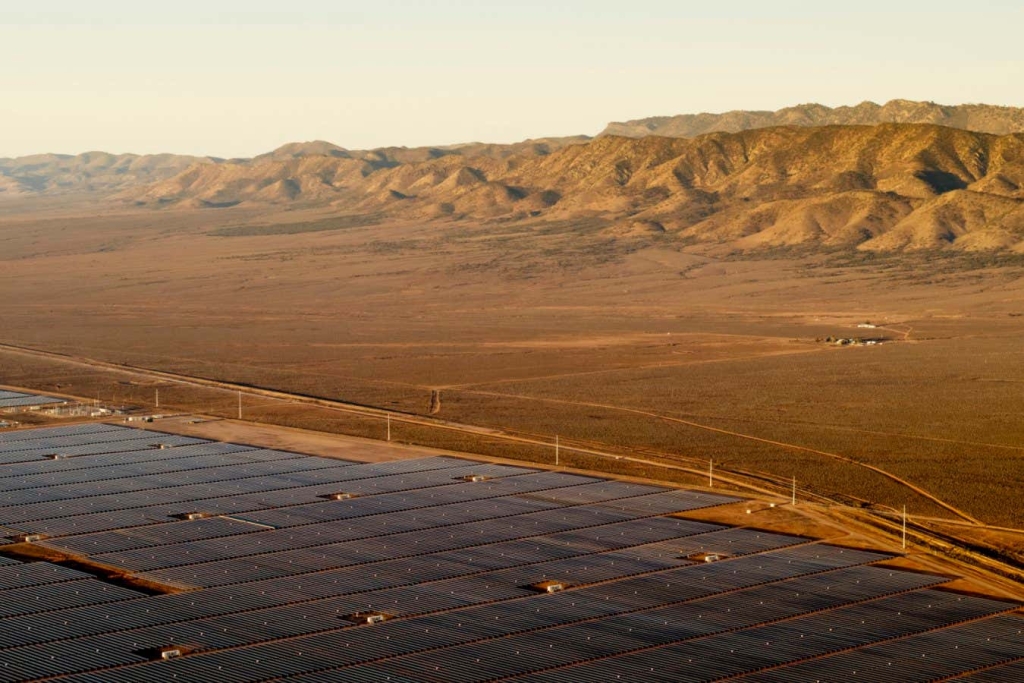
South Australia’s Renewable Energy Revolution: A Global Model for Affordable, Clean Power
In a groundbreaking development that’s sending shockwaves through the global energy sector, South Australia is proving that the transition to renewable energy isn’t just environmentally sustainable—it’s also economically transformative. As the state edges closer to its ambitious goal of running entirely on solar and wind energy, electricity prices have plummeted by a staggering one-third in just a single year, establishing South Australia as the new benchmark for affordable, clean power in Australia and beyond.
Tim Buckley, an independent energy analyst at Climate Energy Finance, a Sydney-based think tank, describes the state’s achievement as nothing short of revolutionary. “South Australia is a world leader in terms of its renewable energy transition,” Buckley explains. “And now, it’s showcasing its successes. South Australian consumers are starting to really benefit from sustained, lower power prices.”
The numbers tell a compelling story. In the final quarter of 2025, South Australia generated an unprecedented 84 percent of its electricity from solar and wind sources—the highest proportion of any major grid worldwide. This remarkable achievement has positioned the state on track to reach its 100 percent renewable energy target by the end of next year, a milestone that would make it one of the first major economies to achieve such a feat.
This renewable energy surge is directly translating into financial benefits for consumers. The Australian Energy Market Operator’s (AEMO) latest report reveals that the average wholesale electricity price in South Australia fell by 30 percent in the final quarter of 2025 compared to the previous year. As a result, the state now boasts the lowest electricity prices in Australia, tying with Victoria, which has the nation’s second-highest share of wind and solar energy.
The transformation represents a dramatic turnaround from previous years when South Australia’s rapid renewable adoption was criticized for driving up electricity prices. The state had experienced volatile price spikes when wind speeds dropped or clouds obscured the sun, forcing reliance on expensive gas-powered backup generation. Following Russia’s invasion of Ukraine, Australian gas prices skyrocketed by 500 percent, exacerbating the problem and making the state’s energy security vulnerable to international market fluctuations.
To address this price volatility and ensure grid stability, South Australia has invested heavily in innovative energy storage solutions. The state has constructed seven massive battery installations, each approximately the size of a football field. These mega-batteries are charged by adjacent solar and wind farms during periods of abundant renewable generation—sunny, windy days—and then discharge stored electricity during calm, cloudy periods, effectively replacing the need for expensive gas-fired backup power.
The strategy has proven remarkably successful. The two most recent battery installations, which came online in 2025, have played a crucial role in driving down electricity prices. This success has caught the attention of energy experts worldwide, with consulting firm Rystad Energy recently declaring that “utility-scale batteries are no longer a complementary technology in Australia’s power system—they are actively displacing gas generation across multiple states.” The firm went so far as to call Australia a “global proof point” for the effectiveness of large-scale battery storage in renewable energy systems.
Another significant contributor to the price decline is the Goyder South wind farm, a massive 412-megawatt installation that began operations in October 2025. As the largest wind farm in South Australia, Goyder South is expected to increase the state’s wind generation capacity by 20 percent. “Basic economics says that if you build more supply, then prices go down,” Buckley notes, highlighting the straightforward relationship between increased renewable capacity and reduced electricity costs.
The AEMO report contains even more striking evidence of South Australia’s renewable success. Wholesale electricity prices were actually negative 48 percent of the time during the last quarter—meaning the state was generating more electricity than it was consuming. When this occurs, negative pricing serves as an economic signal to encourage electricity producers to reduce output. “This means the state was generating more electricity than it was using, so the price went negative to encourage electricity producers to stop producing,” Buckley explains.
The scale of South Australia’s renewable generation occasionally produces truly remarkable results. In November 2025, the state set a new record by meeting 157 percent of its electricity demand with renewable energy alone at one point. During such periods of excess generation, the surplus energy is managed through multiple channels: stored in the state’s extensive battery network, exported to neighboring Victoria via interconnectors, or curtailed by temporarily disconnecting wind and solar farms from the grid.
The renewable revolution extends beyond large-scale infrastructure to individual households. Over half of South Australian homes now feature rooftop solar panels, allowing residents to generate their own electricity during daylight hours. Additionally, approximately 50,000 households have installed home battery systems that store solar energy generated during the day for use after sunset. Since the federal Australian government introduced 30 percent discounts on home batteries in July 2025, South Australia has led the nation in per-capita home battery installations, demonstrating strong public engagement with the renewable transition.
Looking ahead, South Australia is accelerating its renewable push. In December 2025, the state finalized agreements to construct two additional large wind farms, ensuring it can meet its 100 percent net renewable energy target by the end of 2026. “I think the target is on track and these two new wind farms will be key enablers of that,” Buckley affirms.
The implications of South Australia’s success extend far beyond state borders. As the world grapples with climate change and seeks to decarbonize energy systems, the state provides a compelling real-world demonstration that large-scale renewable adoption can deliver both environmental and economic benefits. The combination of massive utility-scale renewable installations, extensive battery storage, and widespread residential solar adoption creates a resilient, flexible grid capable of delivering reliable, affordable electricity while dramatically reducing carbon emissions.
South Australia’s journey offers valuable lessons for other regions considering renewable transitions. The initial challenges of price volatility and grid stability have been effectively addressed through strategic investments in energy storage and grid infrastructure. The resulting price reductions benefit all consumers, not just those with rooftop solar, demonstrating that the economic advantages of renewable energy can be broadly shared across society.
As other Australian states and territories observe South Australia’s success, many are following suit with their own renewable energy and storage initiatives. The state has effectively become a living laboratory for 21st-century energy systems, proving that the theoretical benefits of renewable energy—lower costs, improved energy security, and reduced emissions—can be realized in practice at scale.
The South Australian model represents a paradigm shift in how we think about energy systems. Rather than viewing renewable energy as an expensive alternative to fossil fuels, the state demonstrates that renewables, when properly integrated with storage and grid management technologies, can deliver superior economic performance while simultaneously addressing climate change. This dual achievement—environmental sustainability and economic efficiency—positions South Australia as a global leader in the energy transition and provides a roadmap for other regions seeking to navigate the complex challenges of decarbonizing their economies.
As the world watches, South Australia continues to push boundaries and challenge conventional wisdom about renewable energy’s limitations. The state’s success suggests that the future of energy may be arriving sooner and more affordably than many experts previously predicted, offering hope that the global transition to clean energy can be both rapid and economically beneficial.
Tags & Viral Phrases:
🔋 South Australia energy revolution
⚡ Renewable energy breakthrough
💰 Electricity prices drop 30%
🌍 World leader in clean power
🌬️ Wind and solar dominance
🔌 Battery storage game-changer
🏠 Home solar explosion
🎯 100% renewable target 2026
💡 Negative electricity prices
🚀 Global energy transformation
🌱 Green energy success story
⚡️ Clean power economics
🔋 Mega batteries Australia
🌏 Climate solution working
⚡ Energy storage breakthrough
🌞 Solar boom South Australia
💨 Wind power record
💰 Consumers win big
🔌 Grid of the future
🌱 Decarbonization success
⚡ Renewable energy proof
💡 Power revolution happening
🌍 Australia leads world
🔋 Energy storage revolution
⚡ Clean energy economics
🌱 Green transition working
🔌 Battery technology breakthrough
🌞 Solar storage solution
💨 Wind energy success
💰 Energy prices collapse
🔋 Storage displaces gas
🌍 Renewable energy model
⚡ Clean power future
🌱 Climate action working
🔌 Grid innovation
🌞 Home energy independence
💨 Wind farm expansion
💰 Consumer savings
🔋 Battery technology advance
🌍 Energy transition success
⚡ Power system transformation
🌱 Sustainable energy proven
🔌 Renewable integration
🌞 Distributed energy growth
💨 Clean energy economics
💰 Energy cost reduction
🔋 Storage technology breakthrough
🌍 Global energy leadership
,


Leave a Reply
Want to join the discussion?Feel free to contribute!