
This VC’s best advice for building a founding team
The Make-or-Break Decision Every Startup Founder Faces—and How to Get It Right
In the high-stakes world of early-stage startups, few decisions carry as much weight as assembling your founding team. The first five to ten hires don’t just fill roles—they define your company’s DNA. The culture, work ethic, and operational norms you establish in those critical early days will echo throughout your company’s lifetime, often resisting change even as you scale into the hundreds.
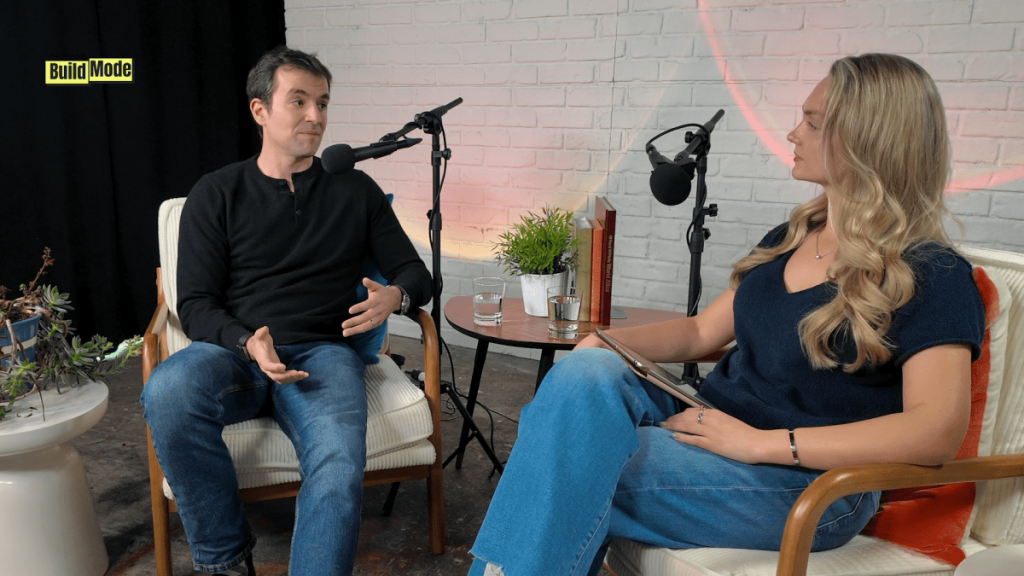
That’s why the latest season of Build Mode, the popular tech podcast from TechCrunch, is diving deep into the art and science of building a world-class founding team. Kicking off the season, host Isabelle Johannessen sits down with Yuri Sagalov, a managing director at General Catalyst with a resume that reads like a startup success story: former founder, Y Combinator partner, and seed investor at Wayfinder Ventures. Sagalov has worked with hundreds of pre-seed and seed-stage companies, giving him a front-row seat to both brilliant hiring strategies and catastrophic missteps.
In this episode, Sagalov shares battle-tested advice for founders navigating the treacherous waters of early hiring, cap table construction, and compensation structures that can scale with the company’s growth. His insights are not just theoretical—they’re forged from real-world experience watching companies either thrive or implode based on these foundational decisions.
The Three Types of Investors (and Which One to Avoid at All Costs)
Sagalov breaks down investors into three distinct categories, each with dramatically different implications for your startup’s future. First, there are the deeply involved investors who function as an extension of your team—helping with recruiting, go-to-market strategies, and strategic decision-making. Interestingly, Sagalov notes that this level of involvement often has little correlation with check size, meaning you can find exceptional value-add investors at any funding tier.
The second category consists of investors who write checks and then essentially disappear, offering capital but little else. While not ideal, Sagalov suggests this approach can work if you’re confident in your team’s abilities and don’t need heavy-handed guidance.
But it’s the third category that Sagalov warns founders to avoid entirely: the micromanagers. These are investors who provide capital but then insert themselves into every decision, second-guessing your strategy and creating unnecessary stress. “They have an opinion on everything,” Sagalov explains. “They get stressed out when things don’t go right.” This constant interference can derail your momentum and create a toxic dynamic that poisons the founder-investor relationship.
Sagalov’s advice for navigating the fundraising process is refreshingly practical: don’t just rely on polished pitch meetings and rosy projections. Instead, reach out to current portfolio companies and ask direct questions. “The best thing you can do as a founder is actually talk to portfolio companies, talk to other founders that they’ve worked with, ask for concrete examples of how they’ve been helpful, if they’ve been helpful, and then actually ask how they were when things didn’t go right.”
This due diligence can reveal the true nature of an investor relationship before you’re locked into a multi-year partnership that could make or break your company.
The Equity Split That Saves Relationships (and Companies)
When it comes to dividing equity with co-founders, Sagalov looks for structures that are fair but also anticipate future misalignments. His recommendation? Create a slight differentiation—plus or minus one share—that provides a clear mechanism for breaking deadlocks without creating resentment.
This seemingly small detail can prevent massive headaches down the road. “Oftentimes founders over-index on ‘I came up with the idea, so I deserve the lion’s share,'” Sagalov observes. But he cautions that this short-term thinking can create long-term problems. “Most of the journey of the company is ahead of them. You don’t want someone waking up five years from now feeling like they put in equal blood, sweat, and tears but own one-fifth of the equity.”
The equity conversation is particularly fraught because it’s often one of the first major decisions founders make together, before they’ve truly tested their working relationship. Getting this right from the start can prevent the kind of founder disputes that sink promising companies before they ever get off the ground.
The Honest Conversation Every Early Hire Needs to Have
When hiring your first employees, Sagalov emphasizes that you’re not just looking for talent—you’re looking for missionaries. These early team members need to be driven by more than compensation; they need to be genuinely passionate about your mission and willing to embrace the inherent risks of joining a startup.
“The first few hires should be all in on the startup’s mission,” Sagalov explains. But he’s also refreshingly candid about the reality of startup life. “Fundamentally, what you’re looking for when you’re hiring the first few people are missionaries who, beyond even the compensation, want to join you for the mission of the business. You want to be honest with them that there is a lot of risk on the journey.”
This honesty serves two purposes: it ensures that candidates understand what they’re signing up for, and it filters for the kind of resilient, mission-driven individuals who will thrive in the chaos of an early-stage company. Trying to sugarcoat the risks or oversell the certainty of success will only lead to mismatched expectations and potential turnover when reality hits.
The compensation conversation is equally important. Early employees are often trading stability and higher salaries at established companies for equity and the potential upside of a breakout success. Being transparent about both the risks and the potential rewards helps align expectations and builds trust from day one.
Next week on Build Mode, the conversation continues with Sarah Lucena, founder and CEO of Mappa, who will discuss how founders can take compatibility into account and hire the right fit for the team the first time using their AI tool. The series promises to deliver more actionable insights for founders navigating the critical early stages of company building.
Build Mode is hosted by Isabelle Johannessen, produced and edited by Maggie Nye, with audience development led by Morgan Little. Special thanks to the Foundry and Cheddar video teams for their support.
Tags: startup hiring, founding team, early employees, equity split, investor relations, startup culture, cap table, compensation strategy, founder disputes, risk management, mission-driven hiring, Y Combinator, General Catalyst, pre-seed funding, seed stage, startup advice, tech podcast, Build Mode, TechCrunch
Viral Sentences:
- “The first five to ten hires don’t just fill roles—they define your company’s DNA.”
- “Most of the journey of the company is ahead of them. You don’t want someone waking up five years from now feeling like they put in equal blood, sweat, and tears but own one-fifth of the equity.”
- “Fundamentally, what you’re looking for when you’re hiring the first few people are missionaries who, beyond even the compensation, want to join you for the mission of the business.”
- “The only bucket that I avoid is this third bucket of investors who give you money and they’re kind of in your kitchen, meddling.”
- “The best thing you can do as a founder is actually talk to portfolio companies, talk to other founders that they’ve worked with.”
,


Leave a Reply
Want to join the discussion?Feel free to contribute!