
Thousands of Everyday Drone Pilots Are Making a Google Street View From Above
Gaspard-Félix Tournachon, better known by his artistic alias “Nadar,” made history in 1858 when he attached a camera to a hot-air balloon just outside Paris and captured the first known aerial photograph. What began as an artistic curiosity has since evolved into one of the most transformative technologies of the modern era. Today, aerial imagery powers industries ranging from urban planning and insurance to disaster response and robotics, enabling everything from 3D mapping to AI-driven decision-making.
In the early 20th century, aerial photography transitioned from novelty to necessity during World War I, as military intelligence harnessed its potential for reconnaissance. Fast forward to today, and the demand for high-resolution, real-time imagery has never been greater. Emerging technologies like autonomous robotics and augmented reality rely on detailed, up-to-date maps of the physical world, often referred to as “digital twins” or the “mirrorworld.” These technologies are reshaping how we interact with and understand our environment.
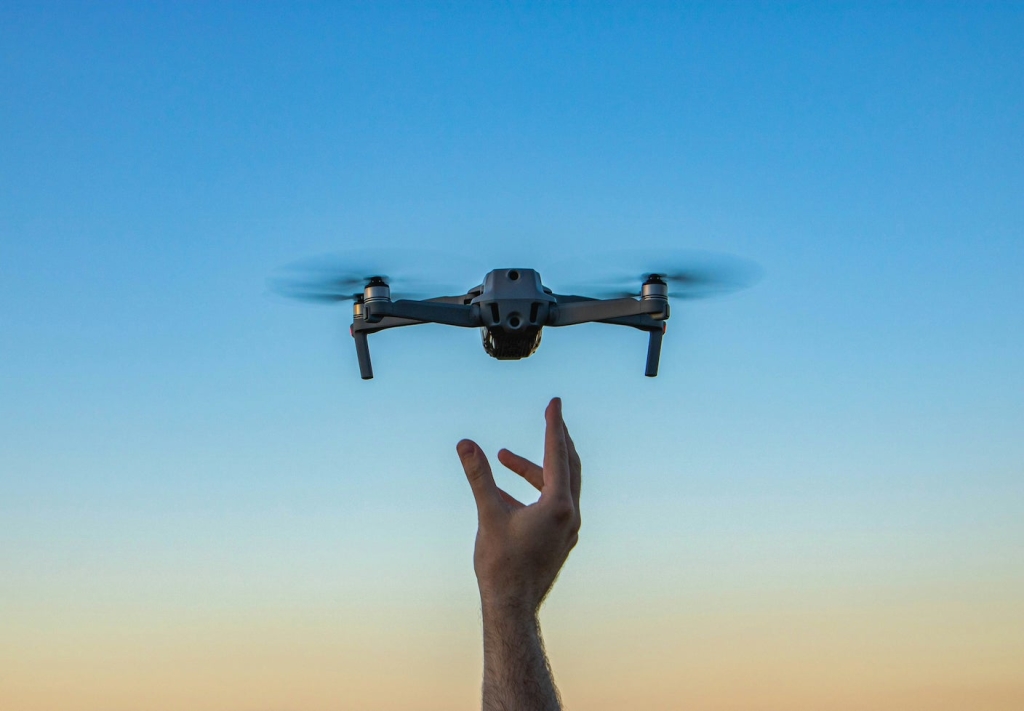
While traditional aerial imagery has relied on satellites, airplanes, and even pigeons (yes, pigeons), the industry is now embracing a more agile and cost-effective solution: drones. Bill Lakeland, CEO and cofounder of Spexi, a Canadian drone imaging company, believes that consumer drones are revolutionizing the field. In an interview with Joseph Raczynski, Lakeland explained how off-the-shelf drones are outperforming older methods, such as expensive mapping cameras and satellite imagery.
“Off-the-shelf drones are getting better data than what we get out of a $2 million mapping camera,” Lakeland said. “The time has arrived.”
Spexi’s approach is unique. Instead of operating its own fleet of drones, the company leverages a decentralized network of hobbyists. Anyone with a drone can download Spexi’s software to autonomously fly pre-determined flight paths and capture high-resolution images. Each flight covers approximately 25 acres in about seven minutes, and pilots earn around $10 per flight, with some making hundreds of dollars a day. To date, Spexi’s network of over 8,000 drone pilots has mapped more than 5 million acres across 200 cities in Canada and the United States.
The implications of this technology are profound. Spexi aims to create a “Google Street View from the sky,” but with a crucial difference: its decentralized model is far more cost-effective than Google’s billion-dollar investment in Street View. By crowdsourcing data collection, Spexi is democratizing access to high-quality aerial imagery.
Industries are already reaping the benefits. Forestry professionals are using Spexi’s data to train AI models that can identify wildfire risks, while insurance companies are leveraging the imagery for risk assessment and claims processing. In augmented reality and robotics, drone data is being used to create 3D maps for visual positioning systems, enabling machines to navigate and interact with the physical world more effectively.
Kevin Kelly, author and cofounder of Wired, has called this digital twinning project the “mirrorworld,” describing it as one of the most significant technological endeavors of our time. Companies are also using this data to build generative AI world models, which help AI systems understand and predict real-world scenarios.
While drone imaging is rapidly gaining traction, it’s not yet replacing traditional methods. The satellite imaging market is also heating up, with companies vying to dominate this space. However, the core principle remains the same as it was in Tournachon’s time: attaching a camera to a flying object and capturing images of Earth. The difference now is that these images have evolved from artistic curiosities to critical digital assets that power the modern world.
As drone technology continues to advance, the possibilities are endless. From preventing natural disasters to enabling autonomous vehicles, the impact of aerial imagery is only just beginning to unfold. What started as a 19th-century art project has become a cornerstone of 21st-century innovation.
Tags: Aerial Photography, Drones, Spexi, Digital Twins, Mirrorworld, AI, Robotics, Augmented Reality, Wildfire Prevention, Insurance, Satellite Imaging, Urban Planning, Disaster Response, High-Resolution Imagery, Decentralized Networks, Generative AI, World Models, Kevin Kelly, Google Street View, Forest Management, Risk Assessment, Claims Processing, Visual Positioning Systems, Autonomous Vehicles, Technology Innovation, Digital Assets, Modern World, Nadar, Gaspard-Félix Tournachon, Hot-Air Balloon, Military Intelligence, World War I, Pigeons, Airplanes, Satellites, Cost-Effective Solutions, High-Resolution Maps, 3D Mapping, AI-Driven Decision Making, Natural Disasters, Autonomous Navigation, Physical World, Technological Endeavors, Innovation, Future of Technology, Data Collection, Crowdsourcing, Decentralized Model, Billion-Dollar Investment, Wildfire Risks, Insurance Underwriting, Claims Processing, Augmented Reality, Robotics, Visual Positioning Systems, Generative AI, World Models, AI Understanding, Real-World Scenarios, Satellite Imaging Market, Traditional Methods, Flying Objects, Digital Assets, Modern World, Cornerstone of Innovation, 21st Century, Endless Possibilities, Natural Disasters, Autonomous Vehicles, Aerial Imagery, 19th Century Art Project, 21st Century Innovation, Technology Advancement, Impact Unfolding, Art Project, Historical Evolution, Technological Transformation, Modern Era, High-Resolution, Real-Time Imagery, Digital Twins, Mirrorworld, Emerging Technologies, Autonomous Robotics, Augmented Reality, Detailed Maps, Physical World, Digital Copies, Century’s Infrastructure Projects, Traditional Aerial Imagery, Satellites, Airplanes, Pigeons, Agile Solutions, Cost-Effective, Consumer Drones, Revolutionizing Field, Off-the-Shelf Drones, High-Quality Aerial Imagery, Decentralized Networks, Hobbyists, Pre-Determined Flight Paths, High-Resolution Images, 25 Acres, Seven Minutes, $10 Per Flight, Hundreds of Dollars a Day, 8,000 Drone Pilots, 5 Million Acres, 200 Cities, Canada, United States, Google Street View from the Sky, Decentralized Model, Cost-Effective, Crowdsourcing Data Collection, Democratizing Access, Industries Reaping Benefits, Forestry Professionals, AI Models, Wildfire Risks, Insurance Companies, Risk Assessment, Claims Processing, Augmented Reality, Robotics, 3D Maps, Visual Positioning Systems, Enabling Machines, Navigate, Interact, Physical World, Kevin Kelly, Author, Cofounder of Wired, Digital Twinning Project, Mirrorworld, Significant Technological Endeavors, Time, Companies, Generative AI, World Models, AI Systems, Understand, Predict, Real-World Scenarios, Drone Imaging, Rapidly Gaining Traction, Traditional Methods, Satellite Imaging Market, Heating Up, Companies Vying, Dominate Space, Core Principle, 19th Century, Artistic Curiosities, Critical Digital Assets, Power Modern World, Drone Technology, Advancing, Possibilities Endless, Preventing Natural Disasters, Enabling Autonomous Vehicles, Impact Aerial Imagery, Just Beginning to Unfold, 19th Century Art Project, Cornerstone of 21st Century Innovation.
,

Leave a Reply
Want to join the discussion?Feel free to contribute!