
Tinder’s Solution to Dating App Burnout Is More AI
Here’s a rewritten version of the news article with a detailed, informative, and slightly viral tone:
Dating Apps Turn to AI as Young Users Swipe Away from Online Romance
The once-thriving world of online dating is facing a seismic shift as Gen Z and young Millennials, increasingly jaded and digitally fatigued, are abandoning dating apps in favor of real-life connections. According to recent reports, a growing number of young people feel burnt out by the endless cycle of swiping, ghosting, and superficial interactions that have come to define the digital dating landscape. This disillusionment has left major players like Tinder and Bumble scrambling to reinvent themselves in a rapidly changing market.
Tinder’s AI-Powered Makeover: A Bold Bet on the Future of Dating
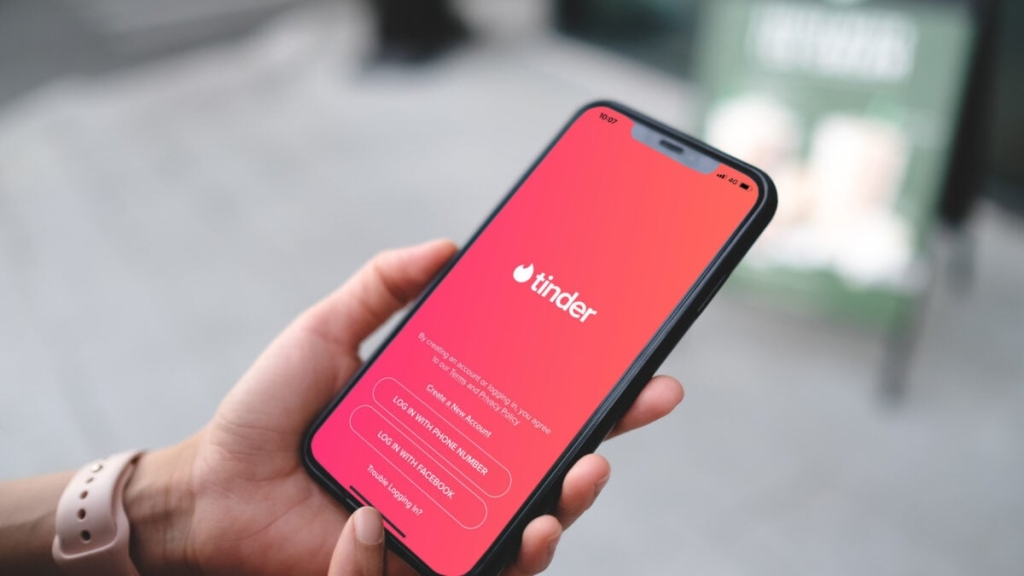
In a bid to reverse declining user engagement, Tinder has unveiled a suite of AI-driven features designed to make the app feel more “authentic, lower-pressure, and worth their time.” The centerpiece of this overhaul is a new feature called “Chemistry,” which uses artificial intelligence to curate daily match recommendations based on a deeper understanding of users’ personalities, interests, and lifestyles.
Here’s how it works: Users in the U.S. and Canada can now opt into a Q&A session with Tinder’s AI, which will ask about their preferences and values. For those willing to take it a step further, Tinder is testing a feature that scans users’ camera rolls (with permission) to gain insights into their hobbies, social circles, and even personality traits. The goal is to create a more personalized and meaningful matchmaking experience, moving beyond the superficial criteria that have long dominated the app.
But Tinder isn’t stopping there. The company is also rolling out a “Learning Mode” that continuously gathers data on users’ behavior within the app to refine its recommendations over time. According to internal testing, women who used this feature were more likely to return to the app within the first week, suggesting that AI-driven personalization could be a game-changer for user retention.
Safety and Authenticity: AI’s Role in Building Trust
Beyond matchmaking, Tinder is leveraging AI to address longstanding safety concerns that have plagued the dating app industry. Two new features, “Are You Sure?” and “Does This Bother You?”, are getting significant upgrades. The former will use large language models (LLMs) to detect potentially disrespectful messages before they’re sent, while the latter will identify inappropriate content, help users report it, and automatically blur flagged messages.
These enhancements represent a shift from simple keyword detection to context-aware understanding of tone and conversational nuance, aiming to foster a more respectful and secure environment for users. As Tinder CEO Spencer Rascoff noted in a press release, these changes mark “the most significant evolution of our app in years,” positioning Tinder as a more “trusted, social, intelligent, and expressive” platform.
Bumble Joins the AI Arms Race
Tinder isn’t the only dating app betting big on AI. Earlier this week, Bumble announced its own AI assistant, “Dates,” which will engage users in private conversations to better understand their preferences before matching them with compatible partners. This move underscores the growing consensus among dating app companies that AI is the key to revitalizing a stagnant market.
The Great Dating App Disillusionment: A Generational Shift
Despite these high-tech innovations, the question remains: Will AI be enough to win back a generation that has grown disillusioned with online dating? Recent data suggests that Gen Z is particularly skeptical of AI’s role in romance. A Bloomberg Intelligence survey from last summer found that Gen Z is even more uncomfortable with AI features on dating apps than Millennials, raising doubts about the effectiveness of these new initiatives.
Moreover, the broader trend of “dating app fatigue” shows no signs of slowing down. Many young people are opting to meet potential partners through friends, social events, or even chance encounters in real life, viewing these interactions as more authentic and fulfilling than the curated profiles and algorithmic matches offered by apps.
The Future of Dating: A High-Stakes Gamble
As Tinder and Bumble double down on AI, they are taking a calculated risk. On one hand, these technologies have the potential to make dating apps more engaging, personalized, and safe. On the other hand, they may struggle to overcome the fundamental skepticism of a generation that values authenticity and human connection above all else.
For now, the success of these AI-driven features remains to be seen. But one thing is clear: the dating app industry is at a crossroads, and the choices made by companies like Tinder and Bumble in the coming months could determine whether they remain relevant in a world where young people are increasingly swiping left on online romance.
Tags: AI dating apps, Tinder Chemistry, Bumble Dates, Gen Z dating trends, online dating fatigue, AI matchmaking, dating app safety, Spencer Rascoff, Match Group, dating app disillusionment, AI in romance, real-life connections, swipe fatigue, dating app innovation, Gen Z skepticism, authentic dating, AI personalization, dating app evolution, social media trends, digital dating burnout.
Viral Phrases: “AI-powered love,” “Swipe left on dating apps,” “The end of the swipe era,” “Dating apps vs. real life,” “AI is the new matchmaker,” “Gen Z’s love-hate relationship with tech,” “The future of romance is here,” “Dating apps are dead, long live AI,” “Authenticity over algorithms,” “Love in the age of AI.”
,


Leave a Reply
Want to join the discussion?Feel free to contribute!