
Tiny startup Arcee AI built a 400B-parameter open source LLM from scratch to best Meta’s Llama
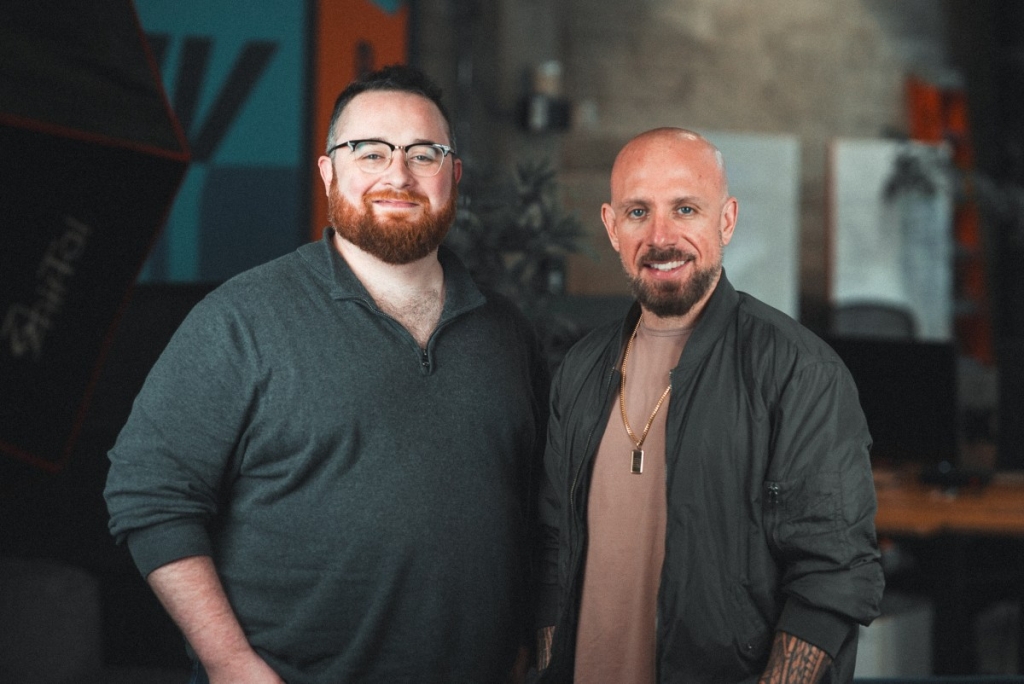
Arcee AI’s Bold Gambit: Can a 30-Person Startup Dethrone Big Tech in the Open Source AI Arms Race?
In a tech landscape dominated by trillion-dollar giants, a scrappy 30-person startup is throwing down the gauntlet—and the stakes couldn’t be higher. Arcee AI, a relative newcomer in the artificial intelligence arena, has just unveiled Trinity, a 400-billion-parameter foundation model that it claims can go toe-to-toe with the likes of Meta’s Llama 4 Maverick and China’s GLM-4.5. But here’s the kicker: Trinity is not just another closed-source behemoth. It’s permanently open-source under the Apache license, a move that Arcee says is designed to win the hearts—and code—of developers worldwide.
The David vs. Goliath Narrative
The AI model market is often portrayed as a fait accompli: Big Tech (Google, Meta, Microsoft, Amazon) and their chosen partners (OpenAI, Anthropic) have already claimed victory. But Arcee AI’s CEO, Mark McQuade, isn’t buying it. “Ultimately, the winners of this game… are to have the best open-weight model,” he told TechCrunch. “To win the hearts and minds of developers, you have to give them the best.”
And “the best” is exactly what Arcee is aiming for. Trinity’s benchmarks, though preliminary, show it holding its own—and in some cases, slightly outperforming—Meta’s Llama on tests of coding, math, common sense, knowledge, and reasoning. For a company that’s been around for less than two years, that’s no small feat.
The $20 Million Miracle
What makes Arcee’s achievement even more remarkable is how it was done. The entire Trinity project—training, fine-tuning, and releasing three models (Large, Mini, and Nano)—was completed in just six months for a total of $20 million. That’s a fraction of what Big Tech spends on similar endeavors. The secret? A lean, hungry team of “bright young researchers” and 2,048 Nvidia Blackwell B300 GPUs.
“We are a younger startup that’s extremely hungry,” said CTO Lucas Atkins, who led the model-building effort. “When given the opportunity to spend this amount of money and train a model of this size, we trusted that they’d rise to the occasion. And they certainly did, with many sleepless nights, many long hours.”
Why Open Source Matters
Arcee’s commitment to open source isn’t just a philosophical stance—it’s a strategic one. While Meta’s Llama models are often touted as open source, they come with caveats. Meta’s license includes commercial and usage restrictions, which has led some open source advocates to argue that Llama isn’t truly open source at all.
Arcee, on the other hand, is betting that developers and enterprises will flock to a model that’s genuinely free to use, modify, and distribute. “Arcee exists because the U.S. needs a permanently open, Apache-licensed, frontier-grade alternative that can actually compete at today’s frontier,” McQuade said.
The Geopolitical Angle
There’s also a geopolitical dimension to Arcee’s mission. Many of the best open models currently come from China, which U.S. enterprises are increasingly wary of—or outright barred from using. Arcee sees an opportunity to fill that gap, offering a U.S.-made alternative that’s both competitive and compliant with American regulations.
What’s Next for Trinity?
Trinity is currently in preview, with more post-training to come. The largest version will be released in three flavors: Trinity Large Preview (lightly post-trained for general chat), Trinity Large Base (the raw model), and TrueBase (a completely untouched model for enterprises and researchers who want to customize it from scratch).
Arcee also plans to offer a hosted version of Trinity for competitive API pricing, though that’s still six weeks away. In the meantime, developers can download all Trinity models for free.
The Road Ahead
Arcee’s journey from a model customization shop for enterprise clients like SK Telecom to a full-fledged AI lab is a testament to the power of ambition and agility. But the road ahead won’t be easy. Competing with Big Tech requires not just technical prowess but also the ability to scale, market, and sustain a product in a hyper-competitive landscape.
Still, if Trinity’s early performance is any indication, Arcee might just have what it takes to shake up the AI status quo. As Atkins put it, “We trusted that they’d rise to the occasion. And they certainly did.”
Tags: Arcee AI, Trinity, open source AI, Apache license, foundation models, AI benchmarks, Meta Llama, GLM-4.5, Nvidia Blackwell, AI development, U.S. AI lab, AI competition, model training, AI licensing, tech startup, AI geopolitics
Viral Sentences:
- “A 30-person startup just took on Big Tech—and won.”
- “$20 million vs. billions: How Arcee AI is rewriting the rules of AI development.”
- “Trinity isn’t just another model—it’s a declaration of independence for open source AI.”
- “Why Arcee AI’s Apache-licensed model could be the future of AI development.”
- “From model customization to AI lab: Arcee’s meteoric rise in six months.”
- “The U.S. needs a permanently open, frontier-grade alternative—and Arcee is delivering.”
- “Trinity’s benchmarks: Holding its own against Meta’s Llama, and then some.”
- “Sleepless nights, long hours, and a $20 million miracle: The story of Trinity.”
- “Why developers are flocking to Arcee’s truly open-source model.”
- “Arcee AI: The underdog that’s daring to dethrone Big Tech in the AI arms race.”
,

Leave a Reply
Want to join the discussion?Feel free to contribute!