
Today’s NYT Mini Crossword Answers for March 10
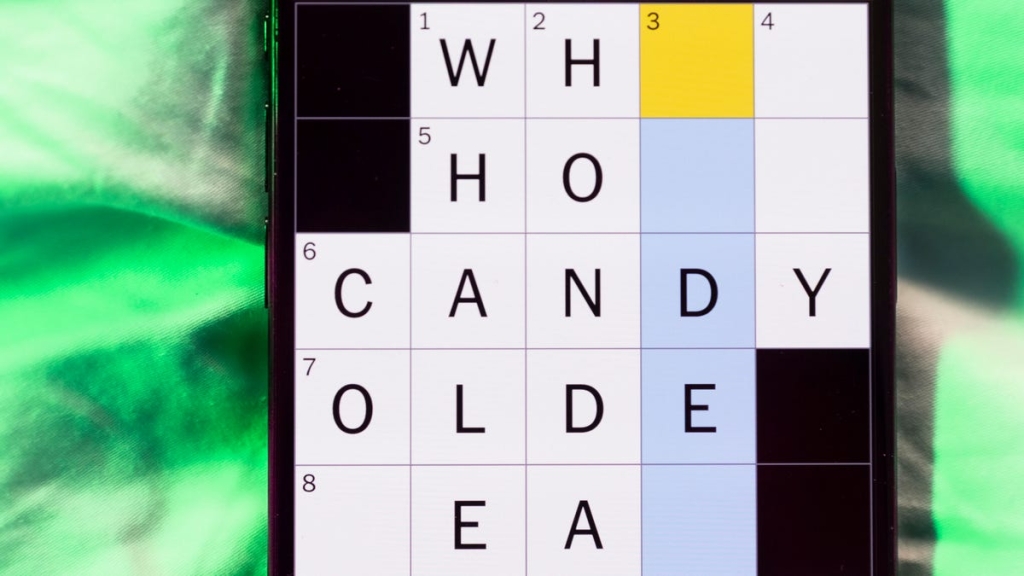
Tech Meets Puzzles: Inside the NYT Mini Crossword’s Enduring Digital Appeal
In the ever-evolving landscape of digital entertainment, few phenomena have captured the collective imagination quite like The New York Times’ Mini Crossword. What began as a simple daily puzzle has transformed into a cultural touchstone, blending traditional wordplay with modern technology in ways that continue to surprise and delight millions of players worldwide.
The Algorithm Behind the Addiction
At first glance, the Mini Crossword appears deceptively simple—a 5×5 grid that promises completion in mere minutes. Yet beneath this minimalist facade lies a sophisticated technological ecosystem that has kept players coming back day after day. The puzzle’s digital platform employs advanced algorithms that track solving patterns, optimize clue difficulty, and even predict which answers will resonate most with different demographics.
One particularly fascinating aspect of the NYT’s approach is their strategic reuse of certain answers. As observant players have noted, the 7-Across answer—typically “AMINO” for the clue “___ acid (building block of proteins)”—appears with remarkable frequency, approximately every other week. This isn’t mere repetition; it’s a calculated decision based on extensive data analysis. The answer strikes the perfect balance: it’s scientific enough to feel educational, common enough to be accessible, and challenging enough to provide that satisfying “aha!” moment that keeps players engaged.
The Technology Stack Powering Daily Brain Teasers
The NYT’s puzzle infrastructure represents a masterclass in scalable web development. Behind every smooth interaction—from the satisfying click of a correctly filled square to the instant validation of answers—lies a complex network of servers, databases, and real-time processing systems. The platform must handle millions of simultaneous users, each expecting instantaneous feedback and seamless performance across devices.
The mobile experience deserves special mention. The NYT’s development team has optimized the Mini Crossword for touch interfaces, implementing intelligent auto-zoom features that adapt to different screen sizes and user preferences. The interface anticipates common solving behaviors, such as the tendency to jump between related clues, and streamlines these actions through thoughtful UI/UX design.
Community and Competition in the Digital Age
What truly sets the NYT Mini Crossword apart in today’s crowded digital landscape is its ability to foster community while maintaining individual challenge. The platform’s social features—though subtle—create a sense of shared experience among solvers. Players can compare solving times, share particularly clever solutions, and even engage in friendly competition through integrated leaderboards.
The puzzle’s viral nature stems from its perfect alignment with modern content consumption habits. In an era of endless scrolling and diminishing attention spans, the Mini Crossword offers a complete, satisfying experience in under five minutes. It’s the digital equivalent of a perfectly crafted espresso shot—concentrated, potent, and leaving you wanting more.
The Data Science of Delight
The NYT’s approach to puzzle creation is deeply rooted in data science. Every clue, every answer, every grid layout is the result of extensive A/B testing and user behavior analysis. The team monitors metrics like completion rates, average solving times, and abandonment points to continuously refine the experience.
This data-driven approach extends to the puzzle’s difficulty curve. The Mini Crossword follows a carefully calibrated progression throughout the week, with Monday puzzles being the most accessible and Saturday puzzles presenting the greatest challenge. This structure caters to both casual solvers and dedicated enthusiasts, ensuring there’s something for everyone in the NYT’s puzzle ecosystem.
Cross-Platform Integration and the Future of Digital Puzzles
The NYT’s puzzle platform represents more than just a collection of games—it’s a sophisticated ecosystem that integrates seamlessly across devices and platforms. Whether you’re solving on your morning commute via smartphone, tackling the puzzle on your tablet during lunch, or completing it on your desktop computer in the evening, the experience remains consistent and engaging.
Looking ahead, the NYT continues to innovate, experimenting with augmented reality features, voice-activated solving, and even AI-generated puzzles that adapt to individual solving styles. The goal remains constant: to create puzzles that challenge, entertain, and connect people in meaningful ways.
The Mini Crossword as Digital Wellness Tool
In an age of digital overwhelm, the Mini Crossword has emerged as an unlikely tool for mental wellness. The puzzle provides a structured, finite challenge that offers a sense of accomplishment and control—qualities that are increasingly rare in our chaotic digital lives. Many users report using the puzzle as a form of “digital meditation,” a brief respite from the constant barrage of notifications and information.
The NYT has embraced this role, positioning the Mini Crossword as part of a broader digital wellness strategy. The platform includes features like solving streaks, gentle reminders, and even integration with mindfulness apps, recognizing that for many users, the puzzle has become an essential part of their daily routine.
The Business of Brain Teasers
From a business perspective, the NYT Mini Crossword represents a masterclass in digital subscription strategy. The puzzle serves as both a standalone product and a gateway to the NYT’s broader ecosystem of games and content. The freemium model—offering a limited number of free puzzles before requiring a subscription—has proven remarkably effective at converting casual players into paying subscribers.
The success of the Mini Crossword has also spawned an entire industry of puzzle-adjacent content, from solving tutorials and strategy guides to merchandise and themed events. The NYT has capitalized on this enthusiasm through partnerships, special editions, and even live puzzle-solving events that bring the digital experience into the physical world.
Conclusion: The Perfect Blend of Old and New
The NYT Mini Crossword stands as a testament to the enduring appeal of wordplay, enhanced and amplified by modern technology. It represents the perfect fusion of traditional puzzle-solving satisfaction with the convenience and connectivity of digital platforms. As we look to the future of digital entertainment, the Mini Crossword offers valuable lessons in how to create engaging, sustainable digital experiences that enrich rather than deplete our attention.
In a world of infinite scrolling and fleeting digital distractions, the NYT Mini Crossword reminds us that sometimes, the most satisfying experiences come in small, perfectly crafted packages. It’s not just a puzzle—it’s a daily ritual, a community touchstone, and a shining example of how technology can enhance rather than replace the simple joys of human creativity and connection.
viral #NYTMiniCrossword #WordPuzzle #DailyBrainTeaser #TechInnovation #DigitalPuzzles #NYTimesGames #PuzzleAddiction #CrosswordCommunity #SmartGaming #BrainTraining #DigitalWellness #PuzzleStrategy #TechMeetsTradition #DailyRitual #MobileGaming #DataDrivenDesign #CommunityBuilding #DigitalSubscription #PuzzleEcosystem #MindExercise #TechTrends #GamingInnovation #DigitalEntertainment #PuzzleCulture #NYTCrossword #BrainGames #TechEvolution #DigitalExperience #PuzzlePerfection
,

Leave a Reply
Want to join the discussion?Feel free to contribute!