
Today’s NYT Mini Crossword Answers for March 6
Tech Puzzle Craze: How The New York Times’ Mini Crossword Is Winning Over Digital Minds
In an era dominated by AI breakthroughs, crypto fluctuations, and the relentless churn of Silicon Valley startups, an unlikely champion has emerged in the digital entertainment space: The New York Times’ Mini Crossword. This bite-sized brain teaser, which launched as a companion to the newspaper’s iconic full-sized crossword, has become a daily ritual for millions of tech-savvy puzzle enthusiasts worldwide.
The Digital Puzzle Revolution
The Mini Crossword represents a fascinating intersection of traditional word games and modern digital consumption habits. At just 5×5 or 5×6 grid dimensions, it delivers a complete puzzle-solving experience in under a minute—perfect for those fleeting moments between Slack notifications and Zoom calls. The puzzle’s meteoric rise coincides with our collective craving for quick, satisfying mental breaks from screen fatigue.
What makes the Mini particularly compelling in tech circles is its algorithmic elegance. Each puzzle is carefully crafted to balance difficulty progression throughout the week, with Monday’s offering being the gentlest introduction and Saturday’s presenting the steepest challenge. This design philosophy mirrors the gamification strategies employed by major tech platforms to maximize user engagement.
Today’s Tech-Themed Challenge
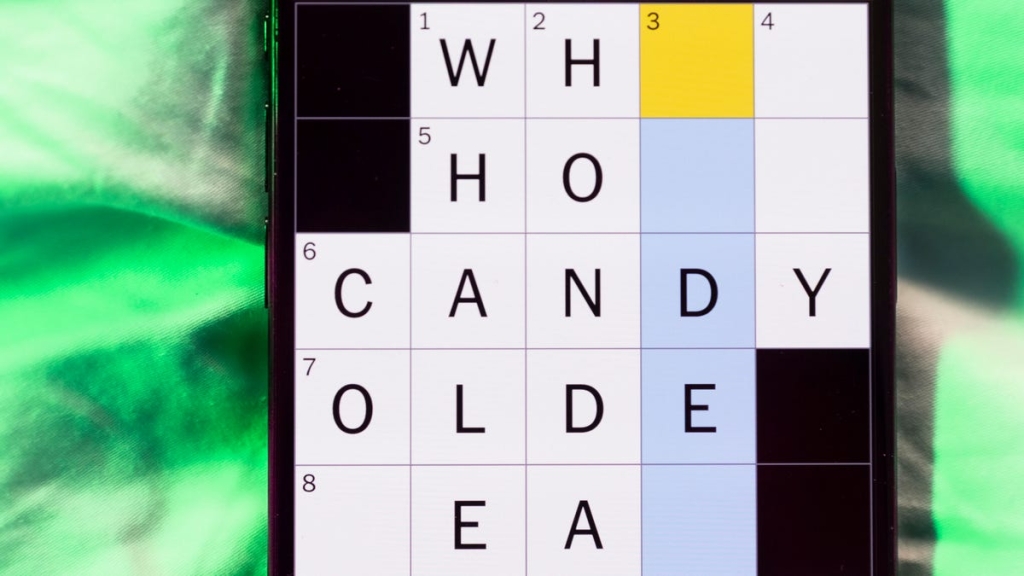
March 6, 2026’s Mini Crossword showcases the puzzle’s ability to tap into cultural touchpoints that resonate with the digitally native crowd. The grid features clues that range from geographical trivia about Evian water bottles (ALPS) to nostalgic references like Bert’s buddy ERNIE from Sesame Street. The inclusion of PEZ candy with its collectible dispensers speaks to the puzzle’s understanding of its audience’s appreciation for vintage tech and pop culture artifacts.
The sound effect clue “BOING” for a pogo stick demonstrates the puzzle’s commitment to onomatopoeia and sensory language—elements that make the solving experience more immersive and shareable. Meanwhile, contemporary slang like “Bruhhh!” leading to the answer DUDE shows the puzzle’s ability to stay current with evolving digital communication patterns.
The Psychology of Digital Puzzle Addiction
The Mini Crossword’s success isn’t accidental—it’s rooted in behavioral psychology principles that tech companies have long exploited. The daily reset creates a perfect habit loop: cue (morning coffee), routine (puzzle solving), reward (dopamine hit from completion). This cycle is reinforced by the puzzle’s social sharing features, allowing users to compare completion times and challenge friends.
For the tech community specifically, the Mini offers a low-stakes way to exercise pattern recognition and lateral thinking skills—abilities that are crucial in coding, debugging, and system architecture. The satisfaction of cracking a particularly tricky clue mirrors the euphoria of solving a complex technical problem.
Mobile-First Design Excellence
The Mini Crossword’s interface exemplifies mobile-first design principles that have become gospel in tech development. The responsive grid adapts seamlessly to various screen sizes, touch interactions are intuitive, and the minimalist aesthetic reduces cognitive load. This attention to user experience detail has helped the puzzle maintain its position as a top daily app for millions of users.
The puzzle’s integration with The New York Times’ broader digital ecosystem—including seamless connections to Wordle, Strands, and Connections games—creates a sticky platform that keeps users engaged across multiple touchpoints. This strategy mirrors successful tech platforms that create network effects through interconnected services.
The Community Factor
Beyond individual solving, the Mini Crossword has fostered a vibrant online community. Tech forums and social media platforms buzz daily with discussions about particularly clever clues, solving strategies, and friendly competition. This community aspect transforms what could be a solitary activity into a shared cultural experience—a phenomenon that tech companies increasingly recognize as crucial for product success.
The puzzle’s accessibility also makes it an excellent tool for digital literacy and language learning, particularly valuable in our globalized tech industry where cross-cultural communication is essential.
Looking Ahead: The Future of Digital Puzzles
As we look to the future, the Mini Crossword’s success suggests exciting possibilities for educational and entertainment applications in tech. Imagine adaptive puzzles that adjust difficulty based on solving speed, or collaborative crosswords that leverage distributed problem-solving—concepts that could revolutionize both gaming and professional training platforms.
The puzzle’s data-driven approach to clue selection and difficulty calibration also offers insights for tech companies developing personalized content algorithms. By analyzing solving patterns and completion times, the Mini team continuously refines the puzzle experience, much like how streaming services optimize content recommendations.
Why Tech Professionals Love It
For developers, designers, and other tech professionals, the Mini Crossword offers more than just entertainment. It provides a mental reset that can spark creative problem-solving, serves as a conversation starter in team settings, and even functions as a low-pressure way to practice logical thinking during breaks from complex coding tasks.
The puzzle’s daily nature also creates a sense of routine and stability in the often chaotic tech industry, where project timelines and market conditions can shift rapidly. This predictability, combined with the variability of each new puzzle, creates the perfect balance of comfort and challenge.
The Broader Impact
The Mini Crossword’s success has implications beyond entertainment. It demonstrates the enduring appeal of well-crafted, intellectually stimulating content in an age of infinite scrolling and algorithmically generated media. For tech companies, it serves as a case study in how to create products that are both addictive and enriching—a balance that many digital platforms struggle to achieve.
As artificial intelligence continues to advance, puzzles like the Mini may also serve as important benchmarks for human creativity and problem-solving capabilities, offering a unique lens through which to examine the evolving relationship between human and machine intelligence.
Tags & Viral Phrases
NYTMini #Crossword #TechCulture #DigitalPuzzles #WordGames #NYTGames #PuzzleAddict #BrainTeaser #DailyPuzzle #TechTrends #MobileGaming #DigitalWellness #PuzzleCommunity #ViralContent #TechLifestyle #SmartEntertainment #DailyRoutine #MentalFitness #TechInnovation #GamingRevolution #DigitalDetox #PuzzleMaster #TechTrivia #ViralPuzzle #BrainGames #NYTWordle #ConnectionsGame #StrandsPuzzle #TechNews #DigitalCulture
,

Leave a Reply
Want to join the discussion?Feel free to contribute!