
Trump Administration Bans Chinese Routers. Phones and Cameras Could Follow
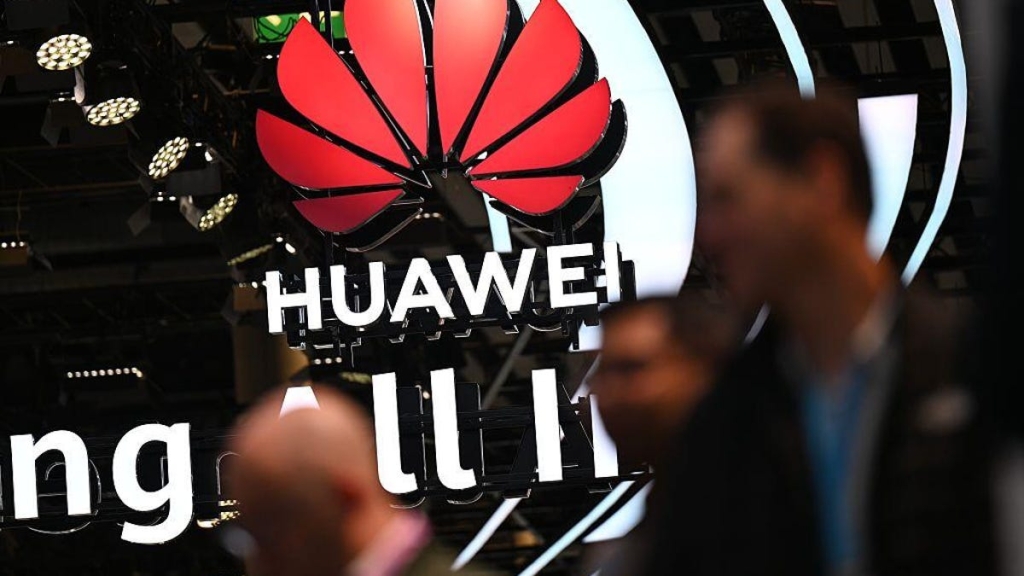
FCC Proposes Sweeping Ban on Chinese Tech: What It Means for Consumers and National Security
In a bold move that could reshape the U.S. tech landscape, the Federal Communications Commission (FCC) has proposed an unprecedented expansion of its ban on Chinese technology companies. The new proposal, announced on April 6, 2026, would extend restrictions to products previously authorized by the FCC, potentially affecting millions of devices already in use across American homes and businesses.
The Evolution of the FCC’s Chinese Tech Crackdown
The FCC’s latest proposal represents a significant escalation in the ongoing battle between U.S. regulators and Chinese technology manufacturers. Since 2021, companies including Huawei, Hikvision, Dahua, Hytera, and ZTE have been placed on the FCC’s “Covered List”—a designation indicating these companies pose national security risks to the United States under the Secure Networks Act.
Initially, the 2021 ban applied only to new models that hadn’t yet received FCC authorization. This meant companies could continue selling previously approved products, creating a loophole that allowed millions of potentially vulnerable devices to remain on the market. The new proposal aims to close this gap entirely.
“If approved, the new proposal would ban these companies entirely, including those previously approved products,” explains an FCC report from October 2025. “Older models of covered equipment pose an unacceptable risk today when imported or marketed in the United States, not only when such equipment is new to the market.”
The Scope of the Proposed Ban
The expanded restrictions would affect a wide range of consumer and business technology products. Chinese manufacturers produce everything from mobile phones and security cameras to telecommunications equipment and Wi-Fi routers—devices that form the backbone of modern digital infrastructure.
Millions of consumers and businesses rely on these products daily. Wi-Fi routers, in particular, have become essential for home and office networks, providing connectivity for everything from smart home devices to critical business operations. The March 23, 2026, ban on foreign-made Wi-Fi routers sent shockwaves through the broadband industry, affecting some of the biggest router brands in the market.
National Security Concerns Drive the Policy
The FCC’s actions are driven by mounting evidence of security vulnerabilities in Chinese-made technology. In 2020, The Wall Street Journal reported that U.S. officials claimed Chinese companies, including Huawei, used backdoor access intended for law enforcement to track sensitive information. These allegations have been compounded by concerns about data collection, surveillance capabilities, and potential espionage.
The FCC’s October 2025 report emphasizes that the risk posed by these devices isn’t limited to new products. “Older models of covered equipment pose an unacceptable risk today when imported or marketed in the United States,” the report states, highlighting the evolving nature of cybersecurity threats and the need for comprehensive protective measures.
Implementation Timeline and Consumer Impact
If the proposal moves forward, companies would have just 30 days to cease all importation and marketing activities once the prohibition takes effect. This rapid timeline reflects the urgency with which U.S. regulators view the threat posed by Chinese technology.
However, consumers shouldn’t panic about devices they already own. The ban won’t affect devices already in use by Americans, though it will prevent the sale of replacement parts, new units, and ongoing support for affected products. This creates potential challenges for businesses and individuals who rely on these technologies for their daily operations.
The Broader Context of U.S.-China Tech Tensions
The FCC’s proposal is part of a broader pattern of U.S. government actions against Chinese technology companies. In December 2025, the FCC banned the importation of Chinese-made drones into the United States. Just months earlier, in October 2025, the agency voted to block new approvals for any device containing parts manufactured by companies on the Covered List.
These actions reflect the Trump administration’s increasingly aggressive stance toward Chinese tech companies. The foreign-made router ban was only the latest in a string of decisions that have placed restrictions on Chinese tech companies operating in the U.S., signaling a fundamental shift in how American regulators approach technology security.
Industry and Company Responses
Representatives from the FCC and Huawei did not immediately respond to requests for comment on the new proposal. The White House also did not respond to requests for comment, suggesting the administration may be taking a cautious approach to public statements while the proposal moves through the comment period.
The proposal will be open for public comment until May 6, 2026, after which the commission will vote on whether to adopt the rules. This comment period provides an opportunity for stakeholders, including consumers, businesses, and industry representatives, to voice their concerns and suggestions before the rules are finalized.
What This Means for the Future of Tech
The FCC’s expanded ban represents a significant shift in U.S. technology policy. By targeting previously authorized products, the commission is acknowledging that the threat landscape has evolved and that yesterday’s secure devices may pose risks today.
This approach could have far-reaching implications for the tech industry, potentially accelerating the development of domestic alternatives to Chinese technology and reshaping global supply chains. It also raises questions about how other countries might respond and whether similar measures could be adopted internationally.
For consumers, the proposal underscores the importance of understanding where their technology comes from and the potential security implications of their purchasing decisions. As the tech landscape continues to evolve, staying informed about these developments will be crucial for making smart, secure choices in an increasingly connected world.
Tags: FCC, Chinese tech ban, national security, Huawei, Hikvision, Dahua, Hytera, ZTE, Secure Networks Act, Wi-Fi routers, cybersecurity, U.S.-China tech tensions, covered list, technology regulation, wireless security, tech policy, import restrictions, telecommunications equipment
Viral Phrases: “The FCC just dropped a bombshell on Chinese tech,” “Your router might be a security risk,” “The great tech decoupling begins,” “China’s tech giants face total ban in America,” “Is your smart home spying on you?” “The end of cheap Chinese gadgets?” “Tech Cold War heats up,” “Your security camera could be a backdoor for Beijing,” “The FCC’s game-changing move,” “America says no to Chinese tech”
Viral Sentences: “The FCC is about to make your Chinese router illegal,” “This ban could affect millions of American households overnight,” “The U.S. government just declared war on Chinese technology,” “Your next router might have to be made in America,” “The tech Cold War just got a whole lot colder,” “Chinese tech companies are being systematically removed from the U.S. market,” “The FCC’s bold move could reshape the entire tech industry,” “National security trumps cheap electronics,” “The era of Chinese tech dominance in America may be ending,” “This isn’t just a ban—it’s a complete technological embargo”
,


Leave a Reply
Want to join the discussion?Feel free to contribute!