
Trump administration undermines EPA enforcement of Clean Air Act
EPA Repeals Landmark Climate Rule in Major Shift for U.S. Environmental Policy
In a sweeping and controversial move, the Trump administration has officially repealed the Environmental Protection Agency’s 2009 “endangerment finding,” a foundational policy that classified greenhouse gases like carbon dioxide and methane as threats to human health and welfare. The decision, announced today by EPA Administrator Lee Zeldin, marks a dramatic pivot in U.S. climate policy and sets the stage for a broader rollback of federal air pollution regulations.
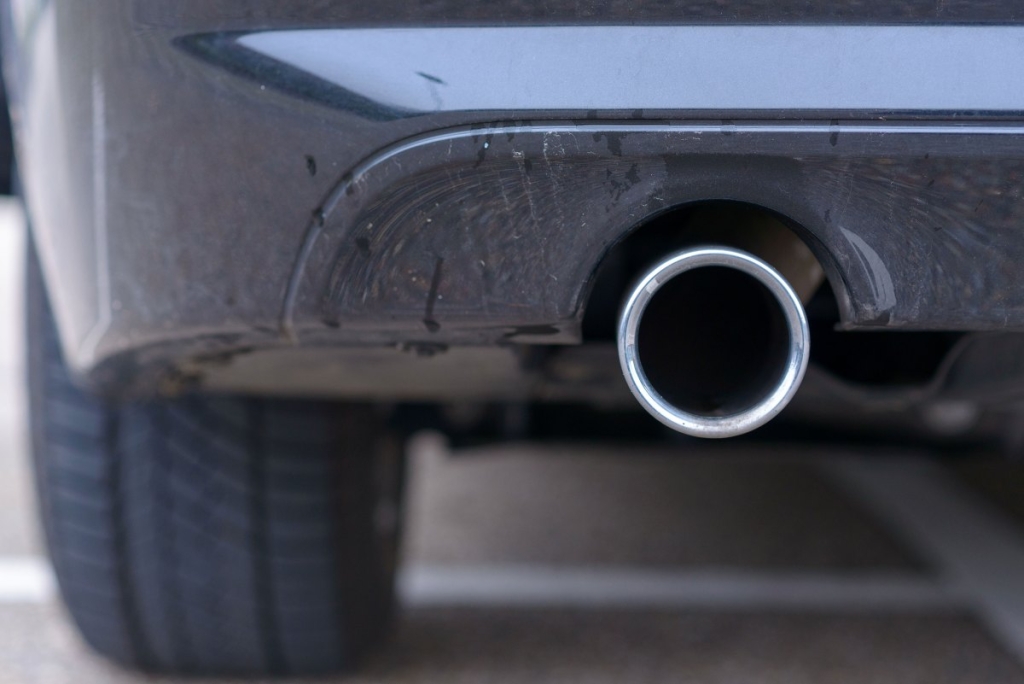
The endangerment finding, established under the Clean Air Act, had served as the legal backbone for regulating greenhouse gas emissions from vehicles, power plants, and industrial sources. Its repeal will initially impact tailpipe emissions from cars and trucks, but experts anticipate it will trigger a cascade of similar regulatory changes across multiple sectors.
The process to fully dismantle the endangerment finding, however, is far from instantaneous. The original policy took two years to implement, and its repeal is expected to follow a similarly lengthy and legally complex path. Environmental advocates have already signaled their intent to challenge the move in court, setting the stage for protracted legal battles.
According to an analysis by Axios, the repeal will slow the decline in U.S. greenhouse gas emissions by approximately 10%. While significant, this reduction is not expected to reverse the overall downward trend in emissions. The reason? The rapid growth of renewable energy sources like solar and wind has increasingly dominated new electricity generation capacity, driven by their cost competitiveness and scalability.
“This action will only lead to more pollution, and that will lead to higher costs and real harms for American families,” said Fred Krupp, president of the Environmental Defense Fund, in a statement to TechCrunch. “Rolling back these protections undermines public health and puts future generations at risk.”
The implications of this policy shift extend far beyond regulatory frameworks. Unabated climate change is projected to raise U.S. mortality rates by around 2%, according to the Congressional Budget Office. Globally, the economic toll could be staggering, with climate-related damages potentially reducing global GDP by 17% by 2050—a loss estimated at $38 trillion, according to a study cited by Reuters.
Critics argue that the repeal prioritizes short-term economic interests over long-term environmental and public health. Supporters, however, contend that it removes regulatory burdens on industries and promotes energy independence. The debate underscores the deep divisions in U.S. climate policy and the challenges of balancing economic growth with environmental stewardship.
As the legal and political battles over this decision unfold, one thing is clear: the repeal of the endangerment finding represents a pivotal moment in the fight against climate change, with consequences that will reverberate for decades to come.
Tags: EPA, climate change, greenhouse gases, carbon emissions, environmental policy, Clean Air Act, Lee Zeldin, renewable energy, fossil fuels, global warming, public health, economic impact, legal challenges, Trump administration, Environmental Defense Fund
Viral Sentences:
- “This action will only lead to more pollution, and that will lead to higher costs and real harms for American families.”
- “The repeal of the endangerment finding represents a pivotal moment in the fight against climate change.”
- “Unabated climate change is projected to raise U.S. mortality rates by around 2%.”
- “Climate-related damages could reduce global GDP by 17% by 2050—a loss estimated at $38 trillion.”
- “The rapid growth of renewable energy sources like solar and wind has increasingly dominated new electricity generation capacity.”
,


Leave a Reply
Want to join the discussion?Feel free to contribute!