
Trump FCC’s equal-time crackdown doesn’t apply equally—or at all—to talk radio
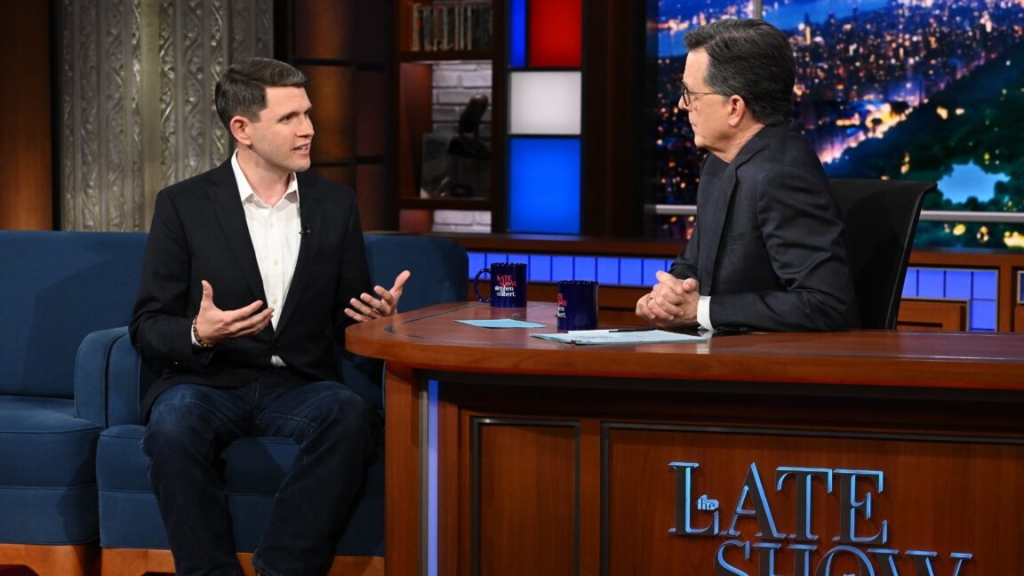
FCC’s New Guidance Sparks Controversy Over Talk Show Interview Regulations
In a move that has sent shockwaves through the broadcasting industry, the Federal Communications Commission (FCC) under Chairman Brendan Carr has issued new guidance that appears to contradict a longstanding precedent set during the Howard Stern case of 2003. The directive, which requires television programs and stations to seek formal declaratory rulings before conducting candidate interviews, has drawn sharp criticism from legal experts, media watchdogs, and free speech advocates who argue it creates a system of “prior restraints” on speech.
The Howard Stern Precedent Revisited
The controversy centers on the FCC’s 2003 ruling involving Howard Stern’s controversial radio show. In that case, the Commission explicitly stated that broadcasters airing programs qualifying for the statutory news exemption “need not seek formal declaration from the Commission that such programs qualify as news exempt programming under Section 315(a).” This ruling established that certain interview formats, particularly those conducted in good faith for news purposes, were automatically exempt from equal-time requirements.
However, the Carr FCC’s recent public notice takes a dramatically different approach. The new guidance encourages TV programs and stations to “promptly file a petition for declaratory ruling” if they want “formal assurance” that they are exempt from the equal-time rule. The notice goes further, stating that the FCC “has not been presented with any evidence that the interview portion of any late night or daytime television talk show program on air presently would qualify for the bona fide news exemption.”
Legal Experts Cry Foul
Harold Feld, senior vice president at the public interest group Public Knowledge, minced no words in his assessment of the new guidance. “The Carr FCC’s guidance says the exact opposite of what the FCC’s 2003 ruling on Howard Stern stated with regard to how this process is supposed to work,” Feld told Ars Technica. “The Howard Stern decision expressly states that licensees don’t need to seek permission first.”
The Lerman Senter law firm, which specializes in communications law, echoed Feld’s concerns. In a detailed analysis, the firm noted that before the Carr FCC issued its public notice, broadcasters that met the criteria for the bona fide news interview exemption generally did not seek an FCC ruling. “Only by obtaining a declaratory ruling, in advance, from the FCC can a station be assured that it will not face regulatory action for interviewing a candidate without providing equal opportunities to opposing candidates,” the firm stated.
This represents “quite a switch,” according to Feld. If this is the new standard, he argues, “then conservative talk radio hosts should also be required to affirmatively seek declaratory rulings.”
The First Amendment Implications
The controversy extends beyond mere regulatory compliance. Berin Szóka, president of the think tank TechFreedom, told Ars that “the FCC is effectively creating a system of prior restraints, that is, licensing speech. This is the greatest of all First Amendment problems.”
Szóka’s concern centers on the fact that the FCC is not only requiring prior approval for certain types of speech but is doing so selectively. “What’s worse, the FCC is doing this selectively, discriminating on the basis of speakers,” he added. This selective enforcement could potentially chill speech by making broadcasters hesitant to conduct interviews without first navigating a potentially complex and time-consuming regulatory process.
The Equal-Time Rule Explained
To understand the full context of this controversy, it’s essential to grasp the background of the equal-time rule. Established in 1934 as part of the Communications Act, this regulation requires broadcasters to provide equal airtime to all qualified political candidates if they give one candidate airtime. The rule was designed to prevent media outlets from giving unfair advantages to particular candidates.
However, there are exemptions to this rule, particularly for bona fide news programs. The FCC has long recognized that bona fide news interviews conducted in good faith for news purposes should be exempt from equal-time requirements. This exemption is crucial for maintaining the integrity of journalism and allowing media outlets to conduct meaningful interviews with political figures without fear of regulatory repercussions.
Industry Reaction and Potential Consequences
The broadcasting industry has reacted with a mixture of concern and confusion to the Carr FCC’s new guidance. Many stations are now faced with a difficult choice: either seek formal declaratory rulings for every candidate interview, potentially slowing down news coverage and creating bureaucratic hurdles, or risk potential regulatory action by proceeding without formal approval.
This new requirement could have significant implications for the way political coverage is conducted, particularly during election seasons when timely interviews with candidates are crucial for informing voters. The added layer of regulatory oversight could potentially slow down the news cycle and create disparities in coverage depending on which stations have the resources to navigate the declaratory ruling process.
Looking Ahead
As the controversy continues to unfold, several key questions remain unanswered. Will the Carr FCC maintain this new guidance, or will it face legal challenges that could force a reconsideration? How will this impact the upcoming election cycle and the way broadcasters approach political coverage? And perhaps most importantly, what does this mean for the future of free speech protections in broadcasting?
The debate over the FCC’s new guidance on talk show interviews is far than just a technical regulatory matter. It strikes at the heart of fundamental questions about free speech, equal access to media, and the role of government in regulating political discourse. As the situation develops, all eyes will be on how broadcasters, legal experts, and free speech advocates respond to what many see as a significant shift in the landscape of American media regulation.
Tags and Viral Phrases:
FCC controversy, Howard Stern precedent, equal-time rule, free speech, prior restraints, Brendan Carr, broadcasting regulations, political interviews, media censorship, First Amendment, regulatory compliance, election coverage, media freedom, government overreach, talk show interviews, declaratory rulings, broadcasting industry, political discourse, media watchdog, speech licensing, regulatory action, bona fide news exemption, media regulation, election season, voter information, bureaucratic hurdles, selective enforcement, free press, government oversight, media bias, political coverage, FCC guidance, legal challenges, constitutional rights, media access, speech discrimination, regulatory process, news integrity, election integrity, media accountability, government intervention, press freedom, political bias, regulatory framework, media responsibility, equal opportunity, broadcast journalism, public interest, regulatory standards, media landscape, government control, free expression, media scrutiny, political fairness, regulatory compliance costs, media independence, speech protections, regulatory uncertainty, media transparency, government authority, media plurality, regulatory burden, free media, political equality, media gatekeeping, regulatory clarity, media diversity, government accountability, media plurality, regulatory reform, free information, media ethics, government transparency, media plurality, regulatory compliance, free discourse, media plurality, regulatory oversight, media plurality, regulatory framework, media plurality, regulatory standards, media plurality, regulatory clarity, media plurality, regulatory reform, media plurality, regulatory compliance, media plurality, regulatory oversight, media plurality, regulatory framework, media plurality, regulatory standards, media plurality, regulatory clarity, media plurality, regulatory reform, media plurality, regulatory compliance, media plurality, regulatory oversight, media plurality, regulatory framework, media plurality, regulatory standards, media plurality, regulatory clarity, media plurality, regulatory reform, media plurality, regulatory compliance, media plurality, regulatory oversight, media plurality, regulatory framework, media plurality, regulatory standards, media plurality, regulatory clarity, media plurality, regulatory reform
,


Leave a Reply
Want to join the discussion?Feel free to contribute!