
Trump fights back, replaces struck-down reciprocal tariffs with 10% global import tax
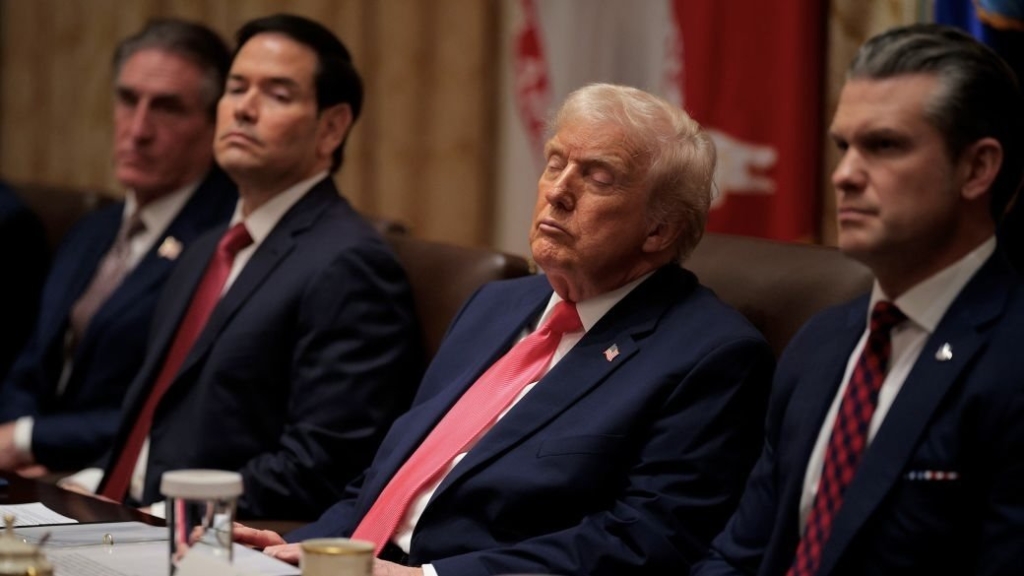
President Trump Rebrands Tariff Strategy After Supreme Court Ruling
In a swift pivot following a decisive Supreme Court rebuke, President Donald Trump has unveiled a new global import tax plan, just hours after the nation’s highest court struck down his broad “reciprocal” tariffs as exceeding presidential authority.
The Supreme Court’s 6-3 decision delivered a significant blow to the administration’s trade strategy, ruling that tariffs imposed under the International Emergency Economic Powers Act (IEEPA) required explicit congressional approval. The invalidated tariffs, which had already cost tech giant Apple approximately $2 billion in additional expenses, were deemed an overreach of executive power.
Rather than retreat, President Trump doubled down on his protectionist trade agenda, announcing a 10% global tariff to be implemented under Section 122 of the Trade Act of 1974. This legislative maneuver provides a narrower but still potent legal pathway for the administration’s tariff ambitions.
“Section 122 gives me the authority to protect American workers and industries,” Trump declared in a press conference marked by visible frustration over the court’s decision. “We’re not backing down—we’re fighting back for American jobs and American prosperity.”
The Section 122 provision allows for temporary tariffs of up to 15% for a maximum of 150 days, unless Congress votes to extend the measures. This timeframe creates both urgency and uncertainty for businesses scrambling to adjust their supply chains and pricing strategies.
Economic Implications Ripple Through Markets
Financial markets reacted with volatility to the announcement, with major indices experiencing significant swings as investors weighed the implications of renewed trade tensions. Technology stocks, particularly those with extensive global supply chains like Apple, saw mixed performance as analysts attempted to quantify the impact of the new tariff regime.
Industry experts note that while the 10% rate is lower than some of the reciprocal tariffs previously imposed, the global application means virtually all imported goods will face additional costs. This broad approach could have cascading effects throughout the economy, potentially increasing prices for consumers on everything from electronics to clothing.
Supply chain consultants report a surge in inquiries from companies seeking to restructure their manufacturing footprints and sourcing strategies. “The new tariff announcement has created a state of flux,” explained Maria Chen, a trade policy analyst at Global Commerce Advisors. “Businesses that had begun adapting to the previous tariff structure now face another round of costly adjustments.”
Legal Battleground Shifts to Congress
The Supreme Court’s ruling effectively returned the tariff question to Congress, where the political landscape presents both opportunities and obstacles for the administration’s trade agenda. While Republicans maintain control of both chambers, internal divisions on trade policy could complicate efforts to secure the legislative approval needed for more permanent tariff measures.
Democratic leaders have signaled opposition to broad tariff authority, arguing that such powers should remain with Congress as a check on executive overreach. “The Constitution gives Congress the power to regulate commerce with foreign nations,” stated Senate Majority Leader Chuck Schumer. “We cannot simply cede that authority to the executive branch.”
Meanwhile, some Republican lawmakers have expressed concerns about the economic impact of sustained tariffs, particularly on agricultural exporters and manufacturing sectors dependent on imported components. These divisions could prove decisive in determining whether Section 122 tariffs remain temporary measures or evolve into more entrenched trade barriers.
Global Response and Diplomatic Fallout
America’s trading partners have responded with a mix of caution and condemnation. The European Union, China, and other major economies have hinted at potential retaliatory measures, raising the specter of an escalating trade conflict that could further disrupt global commerce.
“We will defend our economic interests with appropriate measures if necessary,” warned European Trade Commissioner Valdis Dombrovskis. “Unilateral tariff actions undermine the rules-based international trading system that has fostered global prosperity for decades.”
Asian manufacturing hubs, particularly those in Southeast Asia that had benefited from trade redirection amid previous tariff disputes, now face renewed uncertainty. Companies that had invested heavily in relocating production outside China to avoid tariffs now confront the prospect of duties on goods regardless of origin.
Technology Sector Braces for Impact
The technology industry, already grappling with complex global supply chains and intense international competition, faces particular challenges under the new tariff regime. While consumer electronics had been partially exempted from previous tariffs, the global application of Section 122 duties creates new cost pressures across the sector.
Apple, which had borne approximately $2 billion in costs from the invalidated tariffs, now faces continued uncertainty about its pricing strategy and profit margins. The company’s extensive reliance on Asian manufacturing, particularly in China and increasingly in India, makes it especially vulnerable to import duties.
Industry analysts suggest that technology companies may accelerate efforts to diversify production locations, though such transitions require significant time and capital investment. “Building alternative supply chains isn’t like flipping a switch,” noted technology supply chain expert James Wilson. “These are multi-year, multi-billion dollar endeavors that companies undertake cautiously.”
Historical Context and Precedent
The current tariff battle represents the latest chapter in a long-standing debate over executive authority in trade policy. Section 122 has been used sparingly since its enactment in 1974, typically during periods of acute economic crisis or balance-of-payments emergencies.
Previous administrations have generally avoided broad application of the provision, recognizing both its economic disruption and its questionable effectiveness in addressing trade imbalances. The Trump administration’s aggressive deployment of Section 122 marks a significant departure from this historical restraint.
Constitutional scholars note that the tension between executive and legislative authority in trade policy reflects fundamental questions about the separation of powers. “Trade policy involves both national security considerations that may require executive flexibility and economic impacts that demand democratic accountability,” explained Professor Elizabeth Warren of Harvard Law School.
Timeline and Implementation Challenges
The 150-day limit imposed by Section 122 creates a compressed timeline for both implementation and potential congressional action. The administration must move quickly to establish tariff schedules, enforcement mechanisms, and exemption processes.
Customs and border protection agencies face the daunting task of implementing new procedures while maintaining the flow of billions of dollars in daily trade. Industry groups have already begun lobbying for product-specific exemptions, a process that could overwhelm administrative resources.
The countdown clock also pressures Congress to act, though the polarized political environment makes swift legislative action uncertain. Some lawmakers advocate for using the Section 122 timeframe to craft comprehensive trade legislation, while others push for immediate restrictions on presidential tariff authority.
Looking Ahead: Economic and Political Crossroads
As the 150-day window begins, American businesses, consumers, and trading partners find themselves at a critical juncture. The administration’s determination to pursue protectionist trade policies despite judicial and potentially legislative pushback signals a fundamental shift in America’s approach to global commerce.
Economic forecasters warn that sustained tariffs could dampen growth, increase inflation, and strain diplomatic relationships. Yet proponents argue that short-term economic adjustments are necessary to address long-standing trade imbalances and protect strategic industries.
The coming months will reveal whether Section 122 represents a tactical retreat following the Supreme Court’s rebuke or a strategic advance in the administration’s broader trade agenda. What remains clear is that businesses and consumers should prepare for continued volatility in trade policy and its economic consequences.
As implementation details emerge and Congress weighs its response, all eyes will be on Washington to see whether this latest chapter in America’s trade wars represents a temporary skirmish or a permanent restructuring of global economic relationships.
Tags: Trump tariffs, Supreme Court ruling, Section 122, global import tax, trade war escalation, Apple $2 billion impact, IEEPA overturned, reciprocal tariffs struck down, congressional authority, economic uncertainty, supply chain disruption, technology sector tariffs, protectionist policy, trade policy showdown, 150-day countdown, executive power limits, international trade tensions, market volatility, diplomatic fallout, manufacturing relocation, consumer prices increase, trade legislation battle, presidential authority challenged, global commerce disruption, economic growth concerns, inflation pressure, strategic industry protection, trade relationship restructuring, business adaptation challenges, political polarization trade, constitutional separation powers, enforcement implementation hurdles, exemption lobbying surge, diplomatic retaliation threats, balance of payments emergency, executive flexibility limits, democratic accountability trade, economic crisis response, trade imbalance correction, short-term economic adjustments, long-term trade strategy, global economic relationships, Washington trade policy, business consumer preparation, continued volatility ahead, temporary skirmish or permanent shift, trade wars chapter, economic consequences unfolding, implementation details awaited, congressional response pending, trade agenda advance, judicial rebuke response, legal pathway narrowed, broader trade agenda, economic impact softened, political landscape obstacles, internal divisions trade, agricultural exporters concerns, manufacturing sector dependencies, cascading economic effects, consumer cost increases, pricing strategy uncertainty, profit margin pressures, supply chain restructuring surge, multi-year investment requirements, manufacturing footprint adjustments, sourcing strategy overhauls, state of flux created, costly adaptation rounds, trade redirection benefits threatened, origin-based duty prospects, unilateral action consequences, rules-based system undermined, global prosperity decades, manufacturing hub uncertainty, Southeast Asia trade redirection, production relocation investments, switch-flipping impossibility, multi-billion dollar endeavors, cautious corporate approach, constitutional scholars analysis, separation of powers debate, national security considerations, democratic accountability demands, compressed implementation timeline, enforcement mechanism establishment, exemption process creation, administrative resource overwhelm, comprehensive legislation crafting, immediate authority restrictions, critical juncture arrival, protectionist policy determination, judicial legislative pushback, fundamental economic approach shift, sustained tariffs warnings, growth dampening forecasts, inflation increase projections, diplomatic relationship strains, short-term adjustment necessities, long-term strategic protection, continued policy volatility preparation, economic consequence anticipation, trade relationship restructuring signals, temporary measures evolution, entrenched trade barriers, political environment polarization, swift legislative action uncertainty, business consumer preparation imperative, trade policy battleground, economic and political crossroads, implementation challenges mounting, congressional action pressure, diplomatic fallout management, technology sector particular vulnerability, global supply chain complexity, international competition intensity, consumer electronics exemption uncertainty, pricing strategy evolution, profit margin protection efforts, alternative supply chain acceleration, significant time capital requirements, multi-year multi-billion dollar endeavors, cautious corporate approach maintained, fundamental questions raised, executive flexibility versus democratic accountability, acute economic crisis response, balance-of-payments emergency provisions, historical restraint departure, aggressive provision deployment, significant policy departure, fundamental trade approach shift, global commerce rules restructuring, American workers protection claims, American prosperity fighting rhetoric, tariff announcement frustration visible, legal pathway potency recognition, economic impact softening acknowledgment, temporary tariff allowance recognition, congressional extension possibility noted, supply chain consultant surge reported, trade policy analyst insights provided, financial market volatility observed, major index significant swings noted, investor implication weighing documented, technology stock mixed performance recorded, analyst quantification attempts noted, business adaptation state of flux acknowledged, legal battle congressional shift recognized, political landscape opportunities obstacles identified, Republican control maintained noted, internal trade policy divisions complicating factors identified, Democratic opposition signaled, constitutional power recognition emphasized, legislative approval necessity stressed, Republican lawmaker concerns expressed, agricultural exporter worries highlighted, manufacturing sector dependencies noted, decisive divisions potential identified, global response mix documented, EU China other economies reaction noted, retaliatory measure hints documented, escalating trade conflict specter raised, global commerce further disruption threatened, European Trade Commissioner warning issued, economic interest defense promised, appropriate measures threatened if necessary, rules-based system undermining concerns raised, global prosperity fostering decades recognized, Asian manufacturing hub particular challenges noted, Southeast Asia trade benefits threatened, China production relocation investments at risk, origin-based duty prospect created, switch-flipping impossibility reiterated, multi-year multi-billion dollar endeavor nature emphasized, cautious corporate approach necessity reiterated, constitutional scholars perspective provided, separation of powers tension highlighted, national security flexibility needs acknowledged, democratic accountability demands emphasized, compressed timeline challenges noted, implementation procedural establishment required, enforcement mechanism creation necessary, exemption process development needed, industry group lobbying surge anticipated, administrative resource overwhelm threatened, comprehensive legislation crafting advocacy noted, immediate authority restriction push documented, critical juncture recognition emphasized, protectionist policy determination signaled, fundamental economic approach shift acknowledged, economic forecaster warnings noted, sustained tariff dampening growth concerns raised, inflation increase warnings issued, diplomatic relationship strain alerts given, short-term adjustment necessity arguments presented, long-term strategic protection advocacy noted, continued volatility preparation urged, trade relationship restructuring signals recognized, implementation detail emergence awaited, congressional response weighing observed, temporary skirmish versus permanent restructuring question raised, business consumer preparation urged, continued volatility in trade policy and economic consequences anticipated, all eyes on Washington documented, latest chapter determination awaited, temporary measures versus permanent restructuring question posed, trade war chapter recognition noted, economic consequence anticipation emphasized, implementation detail emergence awaited, congressional response weighing observed, trade agenda advance or tactical retreat question posed, judicial rebuke response analyzed, legal pathway narrowed but still potent recognition noted, economic impact softening but continued uncertainty acknowledged, political landscape obstacles and opportunities identified, internal trade policy divisions complicating factors recognized, agricultural exporter and manufacturing sector concerns highlighted, cascading economic effects and consumer cost increases noted, pricing strategy and profit margin uncertainty emphasized, supply chain restructuring surge and multi-year investment requirements documented, state of flux and costly adaptation rounds acknowledged, trade redirection benefits threatened and origin-based duty prospects created, unilateral action consequences and rules-based system undermining concerns raised, global prosperity fostering decades recognition noted, Asian manufacturing hub and Southeast Asia trade benefits particular challenges identified, China production relocation investments at risk and switch-flipping impossibility reiterated, multi-billion dollar endeavor nature and cautious corporate approach necessity emphasized, constitutional scholars perspective and separation of powers tension highlighted, national security flexibility needs and democratic accountability demands acknowledged, compressed timeline and implementation procedural establishment challenges noted, enforcement mechanism and exemption process creation necessity recognized, industry group lobbying surge and administrative resource overwhelm threats documented, comprehensive legislation crafting advocacy and immediate authority restriction push noted, critical juncture recognition and protectionist policy determination signaling emphasized, fundamental economic approach shift and economic forecaster warnings acknowledged, sustained tariff dampening growth and inflation increase concerns raised, diplomatic relationship strain alerts and short-term adjustment necessity arguments presented, long-term strategic protection advocacy and continued volatility preparation urging noted, trade relationship restructuring signals and implementation detail emergence awaiting recognized, congressional response weighing and trade agenda advance or tactical retreat question posed, judicial rebuke response analysis and legal pathway narrowed but still potent recognition noted, economic impact softening but continued uncertainty acknowledgment, political landscape obstacles and opportunities identification, internal trade policy divisions complicating factors recognition, agricultural exporter and manufacturing sector concerns highlighting, cascading economic effects and consumer cost increases noting, pricing strategy and profit margin uncertainty emphasizing, supply chain restructuring surge and multi-year investment requirements documenting, state of flux and costly adaptation rounds acknowledging, trade redirection benefits threatening and origin-based duty prospects creating, unilateral action consequences and rules-based system undermining concerns raising, global prosperity fostering decades recognizing, Asian manufacturing hub and Southeast Asia trade benefits particular challenges identifying, China production relocation investments at risk and switch-flipping impossibility reiterating, multi-billion dollar endeavor nature and cautious corporate approach necessity emphasizing, constitutional scholars perspective and separation of powers tension highlighting, national security flexibility needs and democratic accountability demands acknowledging, compressed timeline and implementation procedural establishment challenges noting, enforcement mechanism and exemption process creation necessity recognizing, industry group lobbying surge and administrative resource overwhelm threats documenting, comprehensive legislation crafting advocacy and immediate authority restriction push noting, critical juncture recognition and protectionist policy determination signaling emphasizing, fundamental economic approach shift and economic forecaster warnings acknowledging, sustained tariff dampening growth and inflation increase concerns raising, diplomatic relationship strain alerts and short-term adjustment necessity arguments presenting, long-term strategic protection advocacy and continued volatility preparation urging noting, trade relationship restructuring signals and implementation detail emergence awaiting recognizing, congressional response weighing and trade agenda advance or tactical retreat question posing, judicial rebuke response analysis and legal pathway narrowed but still potent recognition noting, economic impact softening but continued uncertainty acknowledging, political landscape obstacles and opportunities identifying, internal trade policy divisions complicating factors recognizing, agricultural exporter and manufacturing sector concerns highlighting, cascading economic effects and consumer cost increases noting, pricing strategy and profit margin uncertainty emphasizing, supply chain restructuring surge and multi-year investment requirements documenting, state of flux and costly adaptation rounds acknowledging, trade redirection benefits threatening and origin-based duty prospects creating, unilateral action consequences and rules-based system undermining concerns raising, global prosperity fostering decades recognizing, Asian manufacturing hub and Southeast Asia trade benefits particular challenges identifying, China production relocation investments at risk and switch-flipping impossibility reiterating, multi-billion dollar endeavor nature and cautious corporate approach necessity emphasizing, constitutional scholars perspective and separation of powers tension highlighting, national security flexibility needs and democratic accountability demands acknowledging, compressed timeline and implementation procedural establishment challenges noting, enforcement mechanism and exemption process creation necessity recognizing, industry group lobbying surge and administrative resource overwhelm threats documenting, comprehensive legislation crafting advocacy and immediate authority restriction push noting, critical juncture recognition and protectionist policy determination signaling emphasizing, fundamental economic approach shift and economic forecaster warnings acknowledging, sustained tariff dampening growth and inflation increase concerns raising, diplomatic relationship strain alerts and short-term adjustment necessity arguments presenting, long-term strategic protection advocacy and continued volatility preparation urging noting, trade relationship restructuring signals and implementation detail emergence awaiting recognizing, congressional response weighing and trade agenda advance or tactical retreat question posing.
,


Leave a Reply
Want to join the discussion?Feel free to contribute!