
TSMC says AI demand is “endless” after record Q4 earnings
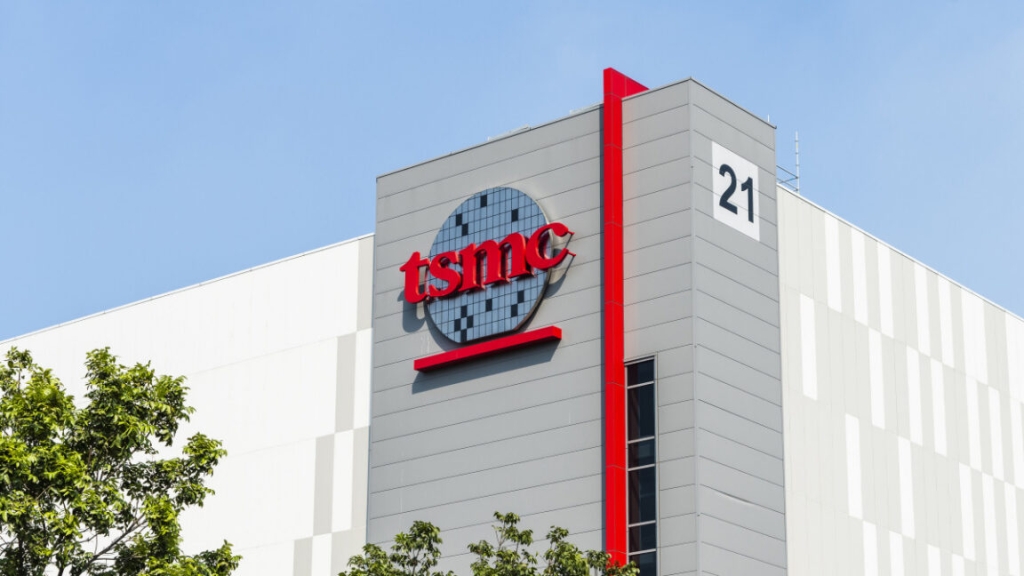
TSMC’s Massive Q4 Earnings Signal AI Boom is Far From Over
In a stunning display of financial muscle, Taiwan Semiconductor Manufacturing Company (TSMC) has delivered blockbuster fourth-quarter earnings that have sent shockwaves through the tech industry. The world’s largest contract chipmaker posted net income of NT$505.7 billion (approximately $16 billion) for the quarter, representing a remarkable 35 percent year-over-year surge that comfortably exceeded analyst projections.
Revenue for the period reached an eye-popping $33.7 billion, marking a 25.5 percent increase compared to the same period in 2024. These numbers aren’t just impressive—they’re historic, cementing TSMC’s position as the undisputed backbone of the global semiconductor industry.
But the real headline isn’t just the past quarter’s performance. TSMC is looking ahead with unprecedented confidence, projecting nearly 30 percent revenue growth for 2026. To fuel this expansion, the company plans to invest between $52 billion and $56 billion in capital expenditures this year alone—a massive jump from the $40.9 billion spent in 2025.
The AI Bubble Question Gets a Definitive Answer
These stellar results come at a time when the tech world has been buzzing with speculation about whether the AI revolution is built on solid ground or is merely the latest bubble waiting to burst. Just months ago, industry leaders were sounding alarm bells.
In November, Google CEO Sundar Pichai warned of “irrationality” in the AI market, cautioning that no company would be immune if a potential bubble were to pop. OpenAI’s Sam Altman, in August, acknowledged that investors are “overexcited” and predicted that “someone” would lose a “phenomenal amount of money.”
TSMC, however, appears to be betting heavily against the bubble theorists. Company chairman and CEO C.C. Wei has taken an unusually direct approach to validate the AI boom’s legitimacy. “I want to make sure that my customers’ demand are real. So I talked to those cloud service providers, all of them,” Wei revealed during the earnings call.
The verdict? “The answer is that I’m quite satisfied with the answer. Actually, they show me the evidence that the AI really helps their business.” This isn’t just corporate optimism—it’s a calculated validation from the company that literally manufactures the silicon powering the AI revolution.
Strategic Expansion Meets Geopolitical Realities
The earnings announcement coincided with a significant geopolitical development. On the same day, the United States and Taiwan finalized a trade agreement that reduces tariffs on Taiwanese goods from 20 percent to 15 percent. The deal also commits Taiwanese companies to $250 billion in direct US investment.
For TSMC, this means accelerating its already ambitious plans for Arizona. The company is expanding its chip fabrication facilities in the United States at an accelerated pace, aligning with both market demand and strategic imperatives. This expansion isn’t just about meeting customer needs—it’s about securing TSMC’s position in an increasingly complex global supply chain landscape.
The Numbers Behind the Narrative
What makes TSMC’s confidence particularly noteworthy is that it’s not based on speculation but on concrete demand signals. As the world’s premier semiconductor foundry, TSMC has unique visibility into the entire AI ecosystem. When the company says demand is real, it’s speaking from a position of unparalleled market intelligence.
The planned $52-56 billion capital expenditure represents not just confidence but a massive bet on the future. This level of investment would fund multiple state-of-the-art fabrication facilities, each costing billions and taking years to bring online. TSMC isn’t just responding to current demand—it’s positioning itself to dominate the next wave of technological innovation.
A Vote of Confidence in AI’s Long-Term Trajectory
While other tech leaders hedge their bets and acknowledge potential market exuberance, TSMC’s actions speak louder than words. The company is essentially placing a multi-billion-dollar wager that the AI revolution is not only real but will continue accelerating for years to come.
This isn’t blind optimism. TSMC’s business model depends on accurately forecasting demand years in advance. The chips they’re designing and preparing to manufacture today won’t ship until 2026 or later. Their massive investment commitment represents a long-term view that contradicts the bubble narrative.
The implications are profound. If TSMC is correct, we’re witnessing the early stages of a technological transformation that will reshape industries from healthcare to finance, from entertainment to manufacturing. If the bubble theorists are right, TSMC’s massive bet could become one of the most expensive miscalculations in corporate history.
For now, the numbers suggest TSMC is on solid ground. The AI boom, at least according to the company that powers it, is just getting started.
Tags: TSMC, AI, semiconductors, earnings, Taiwan, United States, trade agreement, capital expenditure, chip manufacturing, artificial intelligence, tech bubble, cloud computing, Arizona facilities, global supply chain
Viral Phrases: AI revolution is real, semiconductor powerhouse, $16 billion in profit, 35% year-over-year growth, nearly 30% revenue growth projected, $52-56 billion investment, chip manufacturing dominance, geopolitical tech strategy, AI demand validated, bubble speculation debunked, manufacturing the future, silicon backbone of AI, tech industry confidence, supply chain security, innovation accelerator, market intelligence leader, technological transformation, corporate bet on AI, long-term vision, industry reshaping
,


Leave a Reply
Want to join the discussion?Feel free to contribute!