
Two Cancers Have Links With Talc. An Expert Explains The Science. : ScienceAlert
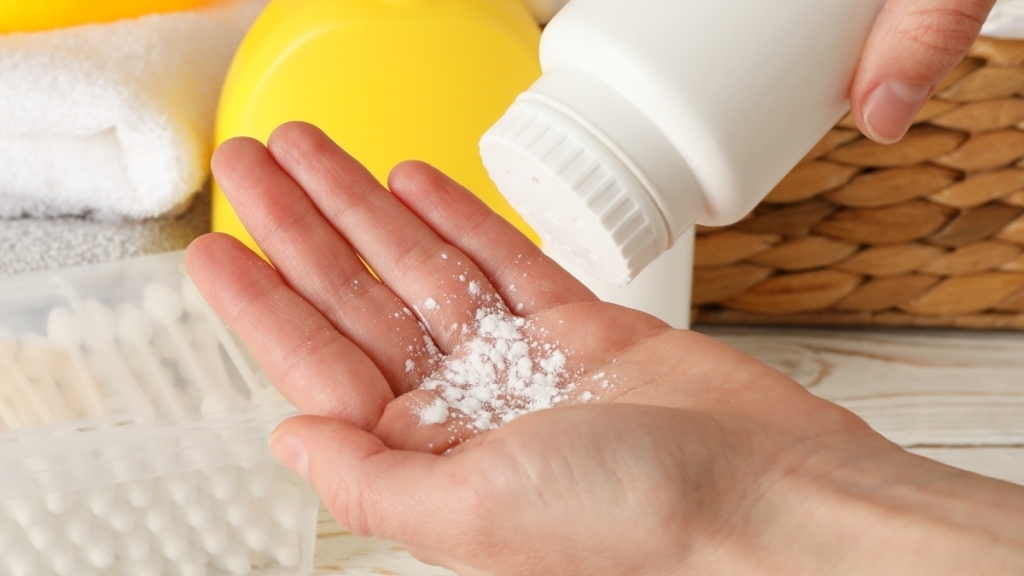
Thousands of Women Worldwide File Lawsuits Against Johnson & Johnson Over Talcum Powder Cancer Link
In a shocking development that’s sending ripples through the global health and consumer protection communities, more than 1,300 women in Victoria, Australia have joined a massive class action lawsuit against pharmaceutical giant Johnson & Johnson. The lawsuit alleges that the company’s iconic talcum powder products have caused ovarian cancer, mesothelioma, and other reproductive cancers in thousands of women worldwide.
This legal battle isn’t confined to Australia alone. Similar lawsuits have been filed across the United Kingdom and the United States, with a landmark case in California resulting in a staggering $40 million verdict against the company in December 2025. The jury found that Johnson & Johnson’s baby powder was not only dangerous but that the company failed to adequately warn consumers about the potential risks.
Talc, the primary ingredient in these products, is a naturally occurring mineral mined extensively around the globe. Its soft, silky texture has made it a staple in cosmetics and body powders for decades. Women have traditionally used talc products to absorb moisture, reduce friction, mask odors, and prevent skin irritation in sensitive areas. The mineral’s ability to create a smooth, opaque finish has also made it popular in face powders and various cosmetic formulations.
However, beneath this seemingly innocuous white powder lies a complex and troubling story that has now culminated in one of the most significant product liability cases in recent history.
The controversy centers on two critical issues: the potential contamination of talc with asbestos during the mining process, and the direct link between genital talc use and cancer development. Talc and asbestos are often found in close geological proximity, raising legitimate concerns about cross-contamination during extraction and processing.
Since the 1970s, manufacturers have claimed to produce asbestos-free talcum powder. However, questions persist about the consistency and rigor of testing protocols over the past five decades. In a significant move, Johnson & Johnson ceased global sales of talc-based products in 2023, including in Australia, switching to cornstarch-based alternatives instead.
The scientific evidence linking talc to cancer presents a complex picture. Research has focused primarily on two cancer types: lung cancer, potentially from inhaling talc particles, and ovarian cancer, from genital application. While some human studies have found associations between talc-containing products and increased ovarian cancer rates, others have found no significant link.
The challenges in studying this relationship are substantial. Participants often struggle to accurately recall decades of talc usage patterns, including brand preferences, frequency, and application methods. Additionally, many women who developed cancer and subsequently passed away were never included in studies, potentially skewing results.
However, when researchers examined usage patterns more closely, comparing frequent users with non-users, they did observe an increased risk of ovarian cancer among those with regular talc exposure. This finding has been particularly concerning for public health officials and regulatory bodies worldwide.
A comprehensive analysis of all available evidence suggests a weak but notable association between talc usage and certain types of ovarian cancer. The risk appears to be small, but the implications are significant given the widespread
,

Leave a Reply
Want to join the discussion?Feel free to contribute!