
U.S. Senate Democrats asked Treasury, DOJ to probe Binance’s illicit finance controls
Democrats Demand Federal Investigation Into Binance Over Sanctions Violations and Terror Funding Allegations
In a dramatic escalation of political pressure on the world’s largest cryptocurrency exchange, nine U.S. Senate Democrats have formally requested that the Treasury and Justice Departments investigate Binance for potential sanctions violations and inadequate protections against illicit finance. The move follows explosive reports alleging that the exchange may have facilitated billions of dollars in transactions linked to Iranian proxies and Russia’s shadow fleet—transactions that could have included funding for terrorist organizations.
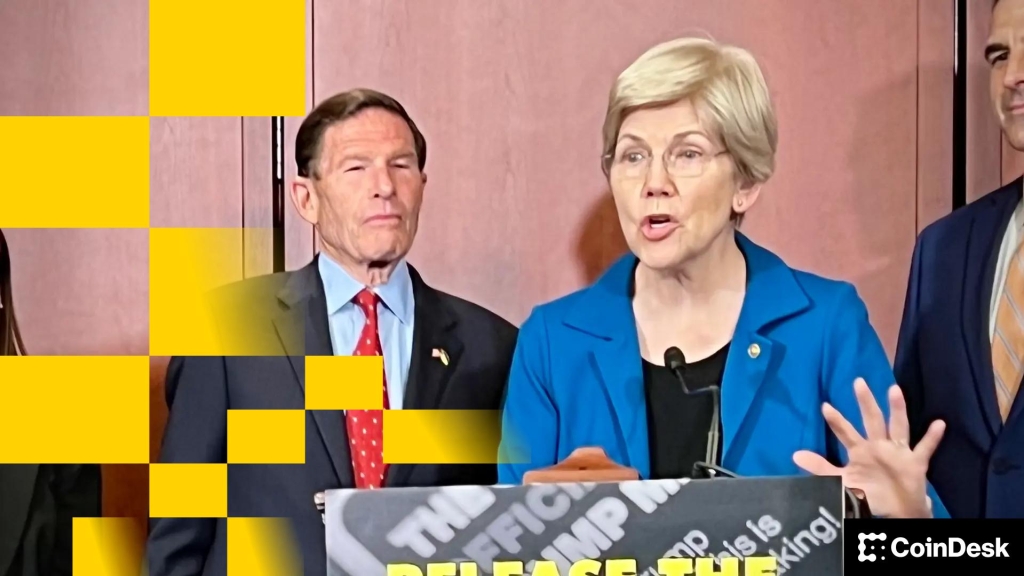
The bipartisan group of senators, including prominent figures like Elizabeth Warren, Mark Warner, and Richard Blumenthal, sent a letter Friday to Treasury Secretary Scott Bessent and Attorney General Pam Bondi, urging immediate federal action. Their demands come on the heels of recent media investigations claiming that Binance fired compliance personnel who had flagged suspicious transactions, raising serious questions about the company’s internal controls and commitment to regulatory compliance.
“We write to request that the Department of the Treasury and the Department of Justice investigate Binance’s compliance with U.S. sanctions and anti-money laundering laws,” the senators wrote. “These allegations raise grave concerns that poor illicit finance controls at Binance remain a significant threat to national security.”
The timing of this political offensive is particularly significant. It arrives at a critical juncture in ongoing congressional negotiations over the Digital Asset Market Clarity Act, legislation that would establish comprehensive regulatory frameworks for cryptocurrency markets in the United States. The senators’ actions suggest growing Democratic skepticism about the industry’s ability to self-regulate and heightened concerns about national security implications.
Senator Richard Blumenthal, who initiated the inquiry earlier this week, emphasized the severity of the allegations. His letter to Binance requested detailed information about the company’s compliance procedures and specifically asked about reports that the exchange had processed approximately $17 billion in transactions potentially linked to Iranian proxies and Russia’s sanctions-evading maritime operations.
The political pressure on Binance intensified after reports emerged that the exchange had terminated several compliance officers who had raised red flags about suspicious transactions. According to sources familiar with the matter, these employees had identified patterns of activity that suggested potential violations of U.S. sanctions against Iran and other restricted entities. Instead of addressing these concerns internally, the reports allege that Binance chose to eliminate the whistleblowers, a move that senators say demonstrates a corporate culture hostile to regulatory compliance.
Binance co-CEO Richard Teng has pushed back against these characterizations, describing earlier media reports as “inaccurate” and “defamatory.” However, the company’s defensive posture has done little to quell the growing storm of criticism from Capitol Hill. When reached for comment on the senators’ latest demands, a Binance spokesperson did not immediately respond, though the exchange has previously stated that it takes compliance seriously and has invested heavily in strengthening its anti-money laundering and sanctions screening capabilities.
The senators’ letter also highlighted Binance’s ongoing obligations under a 2023 settlement with U.S. authorities, which required the company to implement comprehensive compliance reforms. The lawmakers requested detailed information about Binance’s adherence to these requirements, suggesting they believe the exchange may have fallen short of its commitments.
Adding another layer of complexity to this developing story is the relationship between Binance and World Liberty Financial, the cryptocurrency venture backed by former President Donald Trump and his family. The senators acknowledged this connection in their letter, noting that Binance has ties to the Trump-affiliated project behind the USD1 stablecoin. This connection becomes particularly sensitive given Trump’s controversial pardon of Changpeng “CZ” Zhao, Binance’s founder, who served four months in federal prison after pleading guilty to anti-money laundering and know-your-customer violations.
The political dynamics at play here are intricate. While the Democratic senators have launched this investigation, they currently lack majority control in Congress, meaning they cannot unilaterally initiate formal committee investigations. Their strategy appears to be forcing the Republican-led executive branch to act, thereby establishing a bipartisan consensus on the need for stricter oversight of cryptocurrency exchanges.
Senator Mark Warner, who has emerged as a key Democratic voice on cryptocurrency regulation, has been working to craft legislative language that would address illicit finance concerns while also providing clarity for legitimate crypto businesses. His involvement in this investigation suggests that Democrats are seeking to balance innovation with national security imperatives—a balance that has proven elusive in the rapidly evolving crypto sector.
The senators’ demands extend beyond Binance itself, touching on broader questions about the cryptocurrency industry’s vulnerability to exploitation by bad actors. They argue that if a company of Binance’s size and sophistication can allegedly facilitate such massive flows of potentially illicit funds, the entire crypto ecosystem may be compromised. This perspective aligns with long-standing Democratic concerns about cryptocurrency’s potential use in money laundering, sanctions evasion, and terrorist financing.
The investigation requests also raise questions about the effectiveness of current regulatory frameworks. Despite Binance’s 2023 settlement, which was supposed to establish robust compliance mechanisms, the alleged violations suggest that existing oversight may be insufficient. This has led some lawmakers to advocate for more stringent regulations, including enhanced reporting requirements, real-time transaction monitoring, and stricter penalties for non-compliance.
Industry observers note that the political pressure on Binance could have ripple effects throughout the cryptocurrency market. If federal agencies launch formal investigations and find evidence of wrongdoing, it could trigger a broader regulatory crackdown on crypto exchanges, potentially reshaping the industry’s operational landscape. Conversely, if the investigations find no substantial violations, it might embolden the industry to push back against what it views as excessive regulatory scrutiny.
The timing of these developments is also notable given the Trump family’s increasing involvement in cryptocurrency ventures. The senators’ reference to World Liberty Financial and the USD1 stablecoin underscores growing concerns about potential conflicts of interest and the intersection of political power with crypto entrepreneurship. This dynamic adds a partisan dimension to what might otherwise be viewed as a straightforward regulatory matter.
As federal agencies consider the senators’ requests, the cryptocurrency industry watches closely. The outcome of any investigation could significantly influence the trajectory of crypto regulation in the United States, potentially determining whether the sector will face a more permissive environment that encourages innovation or a more restrictive framework designed to prevent illicit use.
For Binance, the stakes are particularly high. As the world’s largest cryptocurrency exchange by trading volume, any finding of serious non-compliance could trigger severe consequences, including potential restrictions on its U.S. operations, substantial fines, or even criminal charges against executives. The company’s response to this political pressure will likely shape not only its own future but also the broader regulatory environment for cryptocurrency exchanges operating in the United States.
The coming weeks will be critical as the Treasury and Justice Departments decide how to respond to the senators’ requests. Their decisions could either validate the Democrats’ concerns and trigger formal investigations or suggest that the political pressure is disproportionate to any actual violations. Either way, this confrontation between Capitol Hill and the cryptocurrency industry represents a pivotal moment in the ongoing debate over how to regulate digital assets in an era of heightened national security concerns.
Tags
Binance investigation, cryptocurrency regulation, sanctions compliance, terror funding allegations, Senate Democrats, illicit finance, crypto industry legislation, Digital Asset Market Clarity Act, national security, anti-money laundering, know-your-customer requirements, Changpeng Zhao, Richard Teng, Elizabeth Warren, Mark Warner, Richard Blumenthal, Scott Bessent, Pam Bondi, World Liberty Financial, USD1 stablecoin, Trump crypto ventures, 2023 settlement, compliance reforms, federal investigation, Treasury Department, Justice Department
Viral Sentences
Binance under fire as Senate Democrats demand federal probe into terror funding allegations
$17 billion in suspicious transactions? Senators want answers from crypto giant
Democrats push for investigation as Binance faces claims of firing compliance whistleblowers
National security at risk? Senators say Binance’s controls are dangerously compromised
The crypto industry holds its breath as federal agencies consider investigation into world’s largest exchange
Binance’s 2023 settlement apparently failed—senators demand to know why
Trump’s crypto ties complicate Binance investigation as political tensions rise
Compliance officers fired after flagging suspicious transactions—what did Binance have to hide?
Senators warn that if Binance can facilitate illicit finance, the entire crypto ecosystem is vulnerable
Federal agencies face pressure to act as Democrats highlight potential sanctions violations
The battle over crypto regulation intensifies as Binance becomes political lightning rod
Industry insiders say this investigation could reshape cryptocurrency regulation in America
Binance’s defensive stance raises more questions than it answers, say congressional sources
National security implications of crypto exchanges come under unprecedented scrutiny
The intersection of political power and cryptocurrency entrepreneurship faces critical test
,


Leave a Reply
Want to join the discussion?Feel free to contribute!