
Uber Employees Have Created an AI Clone of Its CEO
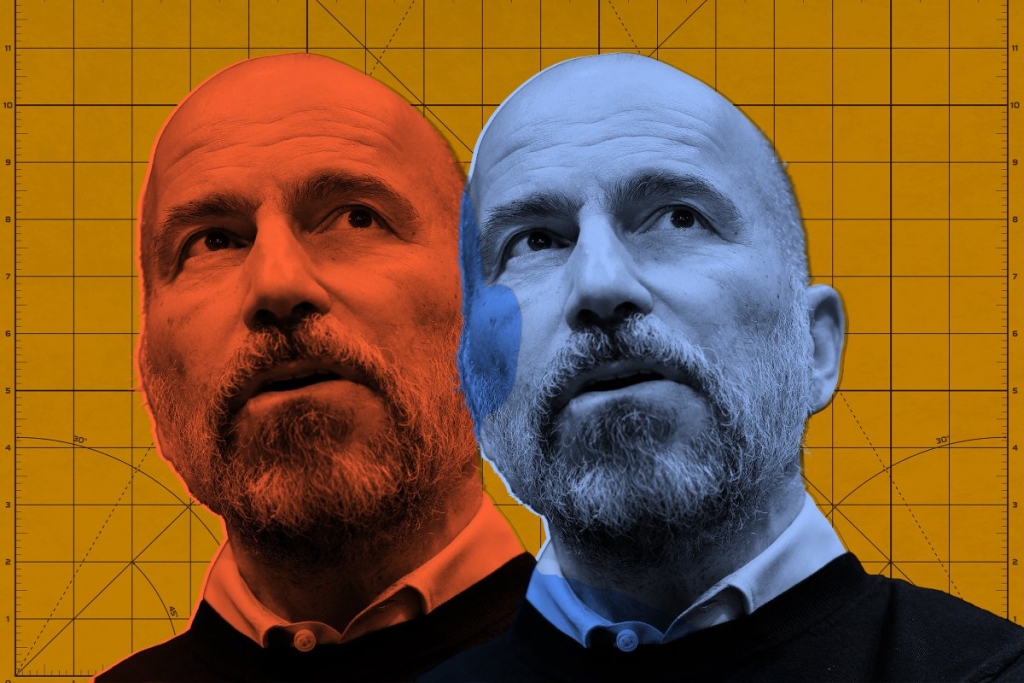
Uber Employees Are Creating AI Clones of Their CEO to Ace Meetings—And He’s Thrilled About It
In a move that blurs the line between cutting-edge innovation and corporate sycophancy, employees at Uber are reportedly building AI-powered clones of CEO Dara Khosrowshahi to help them prepare for high-stakes meetings. The revelation came during a recent episode of The Diary of a CEO podcast, where Khosrowshahi shared the bizarre yet fascinating detail with a mix of amusement and pride.
According to Khosrowshahi, one of his team members revealed that several departments have developed what they call a “Dara AI.” This digital doppelgänger is used to rehearse presentations and refine pitches before they’re delivered to the real CEO. “They basically make the presentation to the Dara AI as a prep for making a presentation to me,” Khosrowshahi explained, sounding both impressed and entertained by the lengths his employees are going to in order to impress him.
The CEO went on to describe how this AI prep process has streamlined communication within the company. “By the time something comes to me, there’s been a prep and a meeting, and the slide deck has been beautifully honed,” he said. “They have Dara AI to tune their prep!” It’s a win-win scenario, he suggested, where employees get to fine-tune their ideas and he gets to receive polished, well-thought-out proposals.
While the story might sound like something out of a satirical novel, it’s actually a textbook example of how AI is being integrated into corporate workflows. AI’s ability to mimic human behavior and preferences makes it an ideal tool for tasks like this. And let’s be honest—what’s AI good for if not imitation and flattery? In this case, Khosrowshahi gets his ego stroked by his employees’ AI-refined presentations, while employees get a confidence boost from the chatbot’s endless stream of affirmations like “Absolutely” and other glowing remarks.
Khosrowshahi’s enthusiasm for AI doesn’t stop there. On the podcast, he revealed that 90% of Uber’s coders are already using AI in their daily work, with a third of them classified as “power users.” He described AI as a game-changer for productivity, claiming it’s “changing their productivity in a way that I’ve never, ever seen before.” He even predicted that AI could make Uber’s software engineers 25% more efficient in the near future.
But Khosrowshahi isn’t alone in his AI fervor. Many CEOs and executives are singing the praises of artificial intelligence with similar enthusiasm. Nvidia CEO Jensen Huang has reportedly told his employees that they’d be “insane” not to use AI for every possible task. Meanwhile, other tech leaders are boasting about using AI to slash their companies’ headcounts, reducing what they see as burdensome labor costs.
However, not everyone is as convinced of AI’s transformative power. While executives are quick to tout its benefits, rank-and-file workers often have a different perspective. Many report that AI is more of a hindrance than a help, describing it as “mostly useless” in their day-to-day tasks. This disconnect between the C-suite and the rest of the workforce highlights the ongoing debate about AI’s true value in the workplace.
For now, Khosrowshahi insists that Uber’s coders are safe from AI-driven layoffs. But he also hinted at a potential shift in the company’s hiring strategy. If AI boosts productivity enough, he mused, Uber might not need to hire as many engineers. Instead, the company could invest in AI agents and GPUs to handle more of the workload. “At that point, instead of adding an engineer, I should add agents and buy some more GPUs from Nvidia,” he said.
The implications of this approach are far-reaching. If AI can indeed make engineers 25% more efficient, it could reshape the tech industry’s labor market. Companies might prioritize automation over hiring, leading to fewer job opportunities for human workers. And while Khosrowshahi’s vision of a more efficient Uber is appealing, it raises questions about the long-term impact of AI on employment and the economy.
As AI continues to evolve, stories like this one highlight both its potential and its pitfalls. On one hand, it’s a powerful tool that can streamline processes, boost productivity, and even help employees prepare for high-stakes meetings. On the other hand, it’s a reminder of the growing divide between those who embrace AI and those who are left wondering what it means for their future.
For now, Uber’s employees are using AI to get ahead—and their CEO couldn’t be happier about it. But as AI becomes more integrated into the workplace, the question remains: will it be a tool for empowerment or a threat to job security? Only time will tell.
Tags: Uber, AI, Dara Khosrowshahi, artificial intelligence, tech innovation, corporate culture, productivity, automation, Nvidia, software engineers, workplace trends, future of work, AI clones, tech CEOs, AI hype, job security, AI efficiency, Diary of a CEO, tech podcast, AI in business
Viral Sentences:
- Uber employees are building AI clones of their CEO to ace meetings—and he’s thrilled about it.
- AI is changing productivity in a way that I’ve never, ever seen before.
- They have Dara AI to tune their prep!
- If AI boosts efficiency, I might not hire more engineers—I’ll just buy more GPUs.
- AI is a win-win for everyone: employees get confidence boosts, and CEOs get their egos stroked.
- 90% of Uber’s coders are using AI at work, with a third classified as “power users.”
- The rank and file think AI is mostly useless, but CEOs are absolutely in love with it.
- AI clones: the ultimate corporate flattery tool.
- The future of work is here, and it’s powered by AI—and a little bit of sycophancy.
- Uber’s employees are taking AI to the next level, and their CEO couldn’t be happier.
,


Leave a Reply
Want to join the discussion?Feel free to contribute!