
Uber May Soon Let You Book a Zoox Robotaxi in Las Vegas and LA
Zoox and Uber Join Forces to Revolutionize Robotaxi Rides in Las Vegas and Los Angeles
In a groundbreaking move that’s set to redefine urban mobility, Zoox—Amazon’s cutting-edge autonomous vehicle subsidiary—has announced a multiyear partnership with Uber to bring its futuristic robotaxis to the ride-hailing giant’s platform. This collaboration, pending US government approval, will allow Uber customers in Las Vegas and Los Angeles to hail Zoox’s driverless vehicles directly through the Uber app, starting with a summer launch in Vegas and a 2027 rollout in LA.
A New Era of Autonomous Transportation
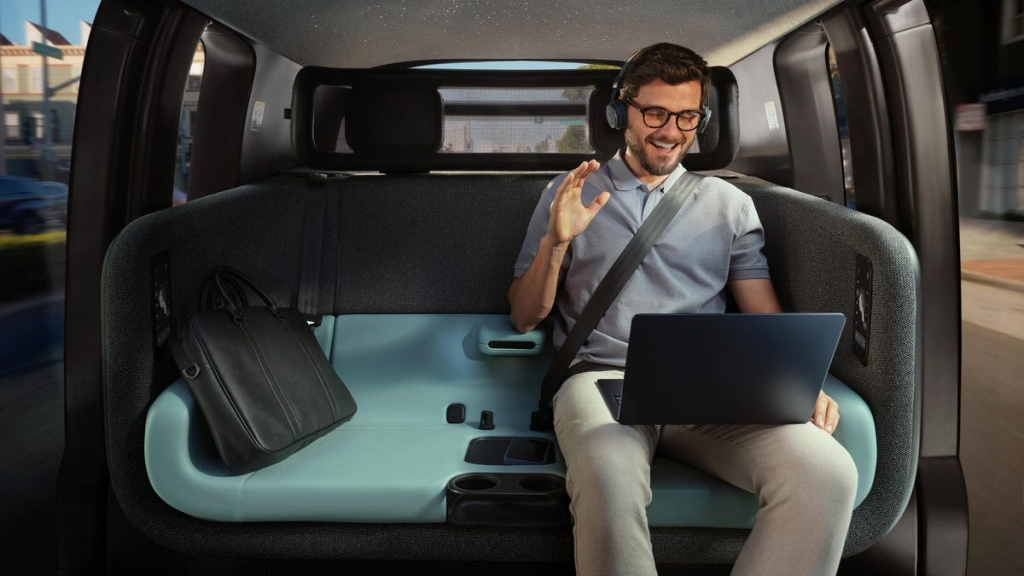
Zoox’s robotaxi is unlike anything currently on the road. Designed from the ground up as a fully autonomous vehicle, it features no steering wheel, no pedals, and a bidirectional design that allows it to travel forward and in reverse without turning around. The vehicle can comfortably seat up to four passengers and comes equipped with touchscreens, emergency call buttons, and a cabin designed for a premium passenger experience.
“We’re thrilled to work together to introduce more riders to the future of mobility,” said Uber CEO Dara Khosrowshahi. “The Zoox robotaxi is unlike any other vehicle on the planet—it was purpose-built from the ground up to deliver an extraordinary experience. Zoox’s commitment to safety and their advanced autonomous driving technology make them an ideal partner.”
The partnership represents a significant milestone for both companies. For Uber, it expands its autonomous vehicle offerings beyond its existing Waymo partnership, while for Zoox, it provides access to Uber’s massive user base and established ride-hailing infrastructure.
Testing and Expansion Across America
Currently, Zoox offers free rides in Las Vegas and San Francisco during its demonstration phase, having already provided over 300,000 rides and logged more than 1 million miles. The company is also conducting tests in six other cities—Seattle, Miami, Los Angeles, Atlanta, Washington, DC, and Austin—with Dallas and Phoenix announced as the next expansion targets.
This measured, step-by-step approach aligns with Zoox’s philosophy of starting small, learning quickly, and scaling responsibly. The company plans to begin with a controlled deployment in Las Vegas this summer, with the potential to expand operations as they refine their technology and customer experience.
Safety Considerations and Regulatory Hurdles
Before Zoox can begin generating revenue from its robotaxi service, it must obtain exemptions from the Federal Motor Vehicle Safety Standards. The company is seeking eight federal vehicle safety exemptions, including from rules requiring windshield wipers and windshield defrosting systems—features that may be unnecessary in a vehicle without a driver’s seat.
The National Highway Traffic Safety Administration is currently accepting public comments on Zoox’s exemption application until April 10. This regulatory process is crucial for the future of autonomous vehicles, as it will set precedents for how traditional vehicle safety standards apply to driverless technology.
Addressing Past Challenges
Zoox has faced challenges in its journey toward autonomous mobility. The company experienced early issues with erratic braking that resulted in injuries and a crash. However, these problems were addressed through software updates during an investigation by the National Highway Traffic Safety Administration. This experience highlights the complex nature of developing and deploying autonomous vehicle technology, where software updates can quickly resolve hardware-related issues.
The Competitive Landscape
The robotaxi market is becoming increasingly competitive, with Waymo currently dominating the US autonomous ride-hailing space across 10 cities. However, several other major players are preparing to enter the market, including Tesla, which recently unveiled its robotaxi concept, and Uber itself, which is developing partnerships with multiple autonomous vehicle companies.
This expansion aligns with a Goldman Sachs forecast predicting that more than 35,000 robotaxis will operate in the US by 2030, up from approximately 1,500 currently. This growth would represent 8% of the rideshare market, with traditional human-driven rideshare comprising the remaining 92%.
The Uber Advantage
Uber’s existing partnerships with 25 other robotaxi services worldwide, primarily Waymo, demonstrate the company’s commitment to autonomous technology. The ability to offer rides through both the Uber and Zoox apps provides flexibility for customers and maximizes the potential user base for these innovative vehicles.
The partnership also reflects Uber’s strategy of diversifying its autonomous vehicle partnerships rather than relying on a single provider. This approach reduces risk and ensures that Uber can continue offering autonomous rides even if one technology provider faces setbacks or delays.
What This Means for Consumers
For consumers, this partnership represents the next step in the evolution of urban transportation. The ability to hail a fully autonomous vehicle through a familiar app interface could make the technology more accessible to the general public, accelerating adoption and acceptance of driverless transportation.
The bidirectional design of Zoox vehicles offers practical advantages, potentially reducing the need for complex maneuvering in tight urban spaces. The absence of a driver’s seat and traditional controls creates a more spacious and flexible interior, potentially allowing for new vehicle configurations and passenger experiences.
Looking Ahead
As this partnership moves forward, several key factors will determine its success. The regulatory approval process will be critical, as will Zoox’s ability to demonstrate the safety and reliability of its technology at scale. Public acceptance of autonomous vehicles remains a significant hurdle, and partnerships with trusted brands like Uber could help build confidence in the technology.
The expansion of robotaxi services also raises important questions about the future of urban transportation, employment in the ride-hailing industry, and the environmental impact of autonomous vehicles. As these technologies mature and become more widespread, they have the potential to reshape our cities and how we think about personal transportation.
This partnership between Zoox and Uber represents more than just a business deal—it’s a significant step toward a future where autonomous vehicles are an everyday part of urban life. As the technology continues to evolve and expand, we may be witnessing the early stages of a transportation revolution that could fundamentally change how we move through our cities.
#Zoox #Uber #Robotaxi #AutonomousVehicles #SelfDrivingCars #LasVegas #LosAngeles #Amazon #FutureOfMobility #TransportationRevolution #DriverlessTechnology #UrbanMobility #Waymo #Tesla #NHTSA #FederalMotorVehicleSafetyStandards #GoldmanSachsForecast #AutonomousRideHailing #BidirectionalVehicles #NoSteeringWheel #NoPedals #InnovationInTransportation #SmartCities #SustainableTransportation #TechPartnership #MobilityAsAService #CES2026 #EmergingTechnology #DisruptiveInnovation #UrbanPlanning #TransportationTechnology
Zoox robotaxi, Uber partnership, autonomous vehicles, self-driving cars, Las Vegas robotaxi, Los Angeles transportation, Amazon Zoox, driverless technology, bidirectional vehicles, no steering wheel, no pedals, robotaxi service, autonomous ride-hailing, future of mobility, transportation revolution, urban mobility, NHTSA exemption, Federal Motor Vehicle Safety Standards, Goldman Sachs forecast, Waymo competitor, Tesla robotaxi, CES 2026, disruptive innovation, smart cities, sustainable transportation, mobility as a service, emerging technology, urban planning, transportation technology, autonomous vehicle market, robotaxi expansion, driverless future, Zoox testing, Uber autonomous vehicles, bidirectional design, no driver’s seat, touchscreens in vehicles, emergency call buttons, autonomous vehicle safety, public acceptance of AVs, regulatory approval autonomous vehicles, controlled deployment, step-by-step approach, scaling responsibly, autonomous vehicle challenges, erratic braking software update, bidirectional vehicle benefits, passenger experience autonomous vehicles, autonomous vehicle interior design, rideshare market evolution, traditional rideshare vs robotaxi, 2030 robotaxi forecast, 35000 robotaxis by 2030, autonomous vehicle partnerships, diversifying autonomous technology, trusted brand autonomous vehicles, accessibility autonomous vehicles, public confidence AV technology, urban transportation evolution, everyday autonomous vehicles, transportation revolution stages, cities and autonomous vehicles, personal transportation future, business deal autonomous vehicles, significant step autonomous mobility, technology maturation autonomous vehicles, widespread autonomous vehicles, reshaping cities autonomous vehicles, thinking personal transportation, business deal redefines urban mobility, groundbreaking move autonomous transportation, cutting-edge autonomous vehicle subsidiary, futuristic robotaxis, ride-hailing giant platform, summer launch Vegas, 2027 rollout LA, fully autonomous vehicle, designed from ground up, bidirectional design travel forward reverse, comfortable seating four passengers, touchscreens emergency call buttons, premium passenger experience, extraordinary experience commitment safety, advanced autonomous driving technology, ideal partner announcement, multiyear partnership, government approval, Uber customers, driverless vehicles, Uber app, launch Vegas, rollout LA, expanding autonomous vehicle offerings, existing Waymo partnership, access massive user base, established ride-hailing infrastructure, milestone companies, significant milestone, milestone for both companies, milestone for Uber, milestone for Zoox, milestone represents significant milestone, free rides demonstration phase, demonstration phase service, logged more than 1 million miles, more than 300,000 rides, conducting tests six other cities, Seattle Miami Los Angeles Atlanta Washington DC Austin, Dallas Phoenix next expansion targets, measured step-by-step approach, philosophy starting small, learning quickly scaling responsibly, controlled deployment, potential expand operations, refine technology customer experience, obtain exemptions Federal Motor Vehicle Safety Standards, seeking eight federal vehicle safety exemptions, rules requiring windshield wipers windshield defrosting systems, features unnecessary vehicle without driver’s seat, National Highway Traffic Safety Administration, accepting public comments, exemption application, April 10, regulatory process crucial, set precedents, traditional vehicle safety standards, apply driverless technology, faced challenges journey toward autonomous mobility, experienced early issues, erratic braking resulted injuries crash, problems addressed through software updates, investigation National Highway Traffic Safety Administration, experience highlights complex nature, developing deploying autonomous vehicle technology, software updates quickly resolve hardware-related issues, robotaxi market becoming increasingly competitive, Waymo currently dominating US autonomous ride-hailing space, across 10 cities, several other major players, preparing enter market, including Tesla, recently unveiled robotaxi concept, Uber itself, developing partnerships multiple autonomous vehicle companies, expansion aligns Goldman Sachs forecast, predicting more than 35000 robotaxis operate US by 2030, up from approximately 1500 currently, growth would represent 8% rideshare market, traditional human-driven rideshare comprising remaining 92%, existing partnerships 25 other robotaxi services worldwide, primarily Waymo, ability offer rides through both Uber and Zoox apps, provides flexibility customers, maximizes potential user base, innovative vehicles, partnership also reflects Uber’s strategy, diversifying autonomous vehicle partnerships, rather than relying single provider, approach reduces risk, ensures Uber can continue offering autonomous rides, even if one technology provider faces setbacks delays, consumers this partnership represents next step, evolution urban transportation, ability hail fully autonomous vehicle, familiar app interface, could make technology more accessible, general public, accelerating adoption acceptance driverless transportation, bidirectional design Zoox vehicles, offers practical advantages, potentially reducing need complex maneuvering, tight urban spaces, absence driver’s seat traditional controls, creates more spacious flexible interior, potentially allowing new vehicle configurations passenger experiences, partnership moves forward, several key factors will determine success, regulatory approval process will be critical, Zoox’s ability demonstrate safety reliability technology scale, public acceptance autonomous vehicles remains significant hurdle, partnerships trusted brands like Uber could help build confidence technology, expansion robotaxi services also raises important questions, future urban transportation, employment ride-hailing industry, environmental impact autonomous vehicles, technologies mature become more widespread, have potential reshape our cities, how we think about personal transportation, partnership between Zoox and Uber represents more than just business deal, significant step toward future where autonomous vehicles are everyday part urban life, technology continues evolve expand, may be witnessing early stages transportation revolution, could fundamentally change how we move through our cities.,


Leave a Reply
Want to join the discussion?Feel free to contribute!