
Uber plans robotaxi expansion in London, Madrid and Munich
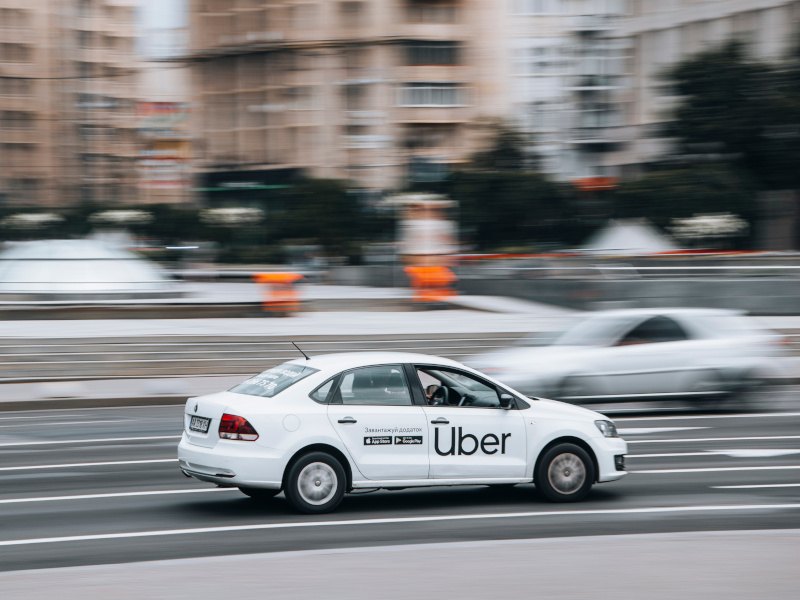
Uber Bets Big on Robotaxis: Expands Autonomous Fleet to Europe and Asia in Push for Global AV Dominance
In a bold move that signals the next frontier of urban mobility, Uber has announced plans to roll out autonomous vehicles (AVs) across Europe and Asia, targeting cities like London, Madrid, Munich, Hong Kong, and Houston by 2029. This expansion is part of Uber’s aggressive strategy to dominate the robotaxi market, which the company believes could unlock a “multitrillion-dollar” opportunity in the coming decade.
The announcement comes on the heels of a strong fourth quarter for Uber in 2025. The ride-hailing giant reported a 20% year-over-year revenue growth, bringing in $14.4 billion. While this figure fell slightly short of analyst expectations, it was buoyed by a rapidly expanding user base—now exceeding 200 million monthly active users who collectively complete over 40 million trips every day. Uber CEO Dara Khosrowshahi framed the expansion as a natural evolution of the company’s mission, stating, “We enter 2026 with a rapidly growing topline, significant cash flow, and a clear path to becoming the largest facilitator of AV trips in the world.”
Uber’s autonomous ambitions are not new. The company has been testing self-driving vehicles in select US cities such as Atlanta, Austin, and Dallas, where AV operations are reportedly among its fastest-growing segments. The new expansion will see Uber enter entirely new markets in Europe and Asia, marking its first full-scale deployment of robotaxis outside North America.
To achieve this, Uber is leaning heavily on a network of established technology partners. These include May Mobility, Lucid, and Nuro from the US; Baidu and WeRide from China; and Wayve from the UK. The company is also collaborating with Nvidia, which recently unveiled open-source AI models designed specifically for self-driving vehicles. This partnership underscores Uber’s commitment to leveraging cutting-edge AI and machine learning to power its autonomous fleet.
The move places Uber squarely in the middle of an intensifying global race for robotaxi supremacy. Just days before Uber’s announcement, Waymo—Alphabet’s self-driving car subsidiary—secured a staggering $16 billion funding round, boosting its valuation to $126 billion. Waymo plans to expand its services to 20 new cities worldwide, including London and Tokyo, directly challenging Uber’s ambitions.
However, the path to autonomous dominance is not without its hurdles. Last December, a power outage in San Francisco caused Waymo’s fleet to shut down, resulting in significant traffic gridlock and raising questions about the reliability of AV systems in complex urban environments. Meanwhile, Tesla—another major player in the autonomous vehicle space—reported its first-ever quarterly revenue decline, down 3%. The electric vehicle giant has been slower to deploy self-driving taxis, launching a limited pilot in Austin last year with human safety drivers on board. Recently, Tesla announced it had removed some of these supervisors from its Austin fleet, a move that has sparked both excitement and concern among industry observers.
Uber’s expansion into Europe and Asia represents a significant gamble. The regulatory landscapes in these regions are complex and varied, with different countries imposing distinct rules on the testing and deployment of autonomous vehicles. Uber will need to navigate these challenges carefully to ensure smooth rollouts in each new market.
Moreover, public acceptance of self-driving cars remains a critical factor. While the technology has advanced rapidly, incidents involving autonomous vehicles—such as accidents or system failures—can quickly erode public trust. Uber will need to demonstrate not only the safety and reliability of its AVs but also their ability to integrate seamlessly into existing urban transportation networks.
Despite these challenges, Uber’s aggressive push into the robotaxi space reflects a broader industry trend. As urban populations grow and environmental concerns mount, the demand for efficient, sustainable, and autonomous transportation solutions is expected to surge. Companies that can deliver on this promise stand to reap enormous rewards.
For Uber, the stakes are particularly high. The company has already revolutionized the way people think about ride-hailing, and now it aims to do the same for autonomous transportation. If successful, Uber could cement its position as a leader not just in ride-hailing, but in the broader mobility-as-a-service ecosystem.
As the race for robotaxi dominance heats up, all eyes will be on Uber’s next moves. With billions of dollars on the line and the future of urban transportation hanging in the balance, the coming years promise to be a pivotal chapter in the story of autonomous vehicles.
Tags & Viral Phrases:
- Uber robotaxis
- Autonomous vehicles expansion
- Self-driving cars 2029
- Uber AV dominance
- Robotaxi market trillion-dollar opportunity
- Uber Europe Asia rollout
- Uber Wayve partnership
- Nvidia AI self-driving
- Waymo $16 billion funding
- Tesla robotaxi pilot Austin
- Autonomous vehicle gridlock San Francisco
- Uber Dara Khosrowshahi AV strategy
- Future of urban mobility
- Mobility as a service
- Uber autonomous fleet Europe
- Self-driving taxis London Madrid Hong Kong
- Uber vs Waymo vs Tesla
- AI models for autonomous vehicles
- Uber AV partnerships May Mobility Lucid Nuro
- Robotaxi regulatory challenges
- Public trust autonomous vehicles
- Uber 200 million monthly users
- 40 million daily Uber trips
- Uber Q4 2025 earnings
- Uber AV fastest-growing segment
- Uber self-driving car technology
- Uber global AV expansion
- Uber autonomous vehicle leadership
- Uber robotaxi competition
- Uber autonomous vehicle reliability
- Uber AV public acceptance
- Uber sustainable urban transportation
- Uber ride-hailing evolution
- Uber AV safety demonstrations
- Uber AV urban integration
- Uber autonomous vehicle hurdles
- Uber AV industry trends
- Uber robotaxi rewards
- Uber AV pivotal chapter
- Uber autonomous vehicle story
,


Leave a Reply
Want to join the discussion?Feel free to contribute!