
Uber will soon have you riding in style in a driverless Mercedes-Benz S-Class
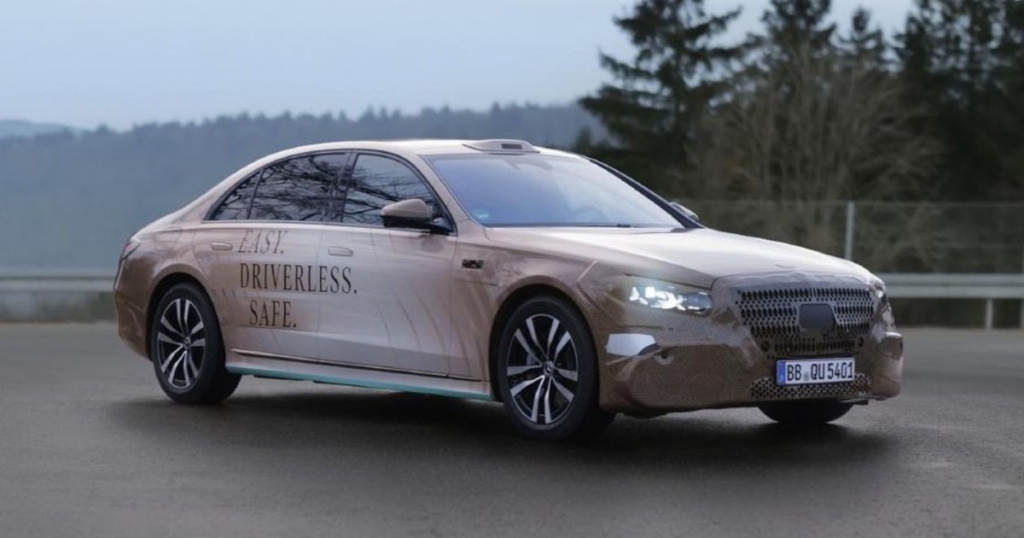
Uber, Nvidia, and Mercedes-Benz Join Forces to Build a Luxury Robotaxi Fleet
In a bold move that could reshape urban transportation, Uber, Nvidia, and Mercedes-Benz have announced a groundbreaking collaboration to develop a fleet of high-end robotaxis based on the iconic Mercedes-Benz S-Class platform. This strategic partnership aims to create a global autonomous ride-hailing ecosystem, blending the unmatched luxury of Mercedes-Benz with Nvidia’s cutting-edge autonomous driving technology and Uber’s massive ride-hailing infrastructure.
A Collaboration Built for the Future of Mobility
The alliance, revealed in early 2026, represents a significant step forward in the race to dominate the autonomous vehicle market. Uber and Nvidia first announced their partnership in October 2025, with a shared vision to create “level 4 ready” vehicles—meaning cars capable of fully autonomous operation under specific conditions without human intervention. Now, with Mercedes-Benz on board, the trio is setting its sights on the premium segment of the robotaxi market.
Mercedes-Benz has chosen its flagship S-Class sedan as the foundation for this venture. Known for its cutting-edge engineering, plush interiors, and advanced software architecture, the S-Class is the perfect canvas for autonomous technology. The vehicle will be equipped with Mercedes’ proprietary MB.OS operating system, providing a robust platform for partners to build and deploy autonomous applications.
Nvidia’s Role: Powering the Brains Behind the Wheel
Nvidia’s contribution to the partnership is its DRIVE AV software and DRIVE Hyperion architecture, which serve as the technological backbone for the autonomous driving system. The DRIVE platform combines artificial intelligence, sensor fusion, and high-performance computing to enable vehicles to perceive their environment, make decisions, and navigate complex urban landscapes safely.
With Nvidia’s technology, the Mercedes S-Class robotaxis will be able to process vast amounts of data from cameras, lidar, radar, and ultrasonic sensors in real time. This allows the vehicles to detect pedestrians, cyclists, other vehicles, and obstacles with remarkable precision, ensuring a safe and smooth ride for passengers.
Uber’s Vision: Bringing Robotaxis to the Masses
Uber’s role in the collaboration is to integrate these autonomous S-Class vehicles into its ride-hailing network, making them available to users through the Uber app. This integration could dramatically expand Uber’s autonomous vehicle offerings, providing passengers with a premium, driverless ride experience.
While no specific launch date has been announced, the partnership aims to deploy robotaxi services in multiple major cities around the world. Uber has been testing autonomous vehicles in select markets for years, but this collaboration with Mercedes-Benz and Nvidia marks a significant leap toward scaling up its robotaxi ambitions.
The Competitive Landscape: Waymo, Tesla, and Regulatory Hurdles
The robotaxi market is becoming increasingly crowded, with major players like Waymo and Tesla also vying for dominance. Waymo, Alphabet’s self-driving subsidiary, has been operating robotaxi services in cities like Phoenix and San Francisco, though it recently faced scrutiny after reports of its vehicles violating traffic laws, including passing stopped school buses.
Tesla, meanwhile, has been teasing its own robotaxi plans, with CEO Elon Musk promising a fleet of autonomous vehicles as part of the company’s broader vision for sustainable transportation. However, Tesla’s approach relies heavily on its proprietary Full Self-Driving (FSD) software, which is still undergoing regulatory approval in many markets.
The road to widespread robotaxi adoption is fraught with challenges, including regulatory hurdles, public acceptance, and safety concerns. Governments and transportation authorities are grappling with how to regulate autonomous vehicles, balancing innovation with public safety. Incidents involving self-driving cars, even rare ones, can erode public trust and slow down deployment.
Why the Mercedes S-Class?
The choice of the Mercedes S-Class as the platform for this robotaxi fleet is no accident. The S-Class has long been the benchmark for luxury sedans, offering a combination of cutting-edge technology, supreme comfort, and unparalleled safety features. By using the S-Class, the partnership aims to deliver a robotaxi experience that rivals the comfort and sophistication of a private chauffeur-driven car.
The vehicle’s advanced architecture, including its centralized computing platform and over-the-air software update capabilities, makes it an ideal candidate for autonomous driving. Mercedes-Benz’s MB.OS will serve as the digital nervous system, integrating the vehicle’s various systems and enabling seamless communication between hardware and software components.
The Road Ahead: What This Means for Consumers
For consumers, the Uber-Nvidia-Mercedes-Benz partnership could herald a new era of urban mobility. Imagine summoning a sleek, self-driving Mercedes S-Class through the Uber app, stepping into a cabin outfitted with the finest materials, and being whisked away to your destination without ever touching a steering wheel. This is the vision that the collaboration aims to bring to life.
The partnership also has the potential to accelerate the adoption of autonomous vehicles by offering a premium experience that appeals to a broad range of users. While early robotaxi services have focused on affordability, the addition of luxury vehicles could attract a different demographic, including business travelers, executives, and those seeking a more comfortable ride.
Challenges and Opportunities
Despite the excitement surrounding the partnership, significant challenges remain. Scaling up autonomous vehicle production, ensuring safety in complex urban environments, and navigating regulatory frameworks will require close collaboration between the three companies and local authorities.
There’s also the question of cost. Autonomous vehicles, especially those equipped with advanced sensors and computing systems, are expensive to produce. The partnership will need to find ways to make the service economically viable while keeping prices competitive with traditional ride-hailing options.
On the flip side, the collaboration presents enormous opportunities. By combining Mercedes’ luxury brand, Nvidia’s technological prowess, and Uber’s global reach, the partnership is well-positioned to set new standards for autonomous ride-hailing. If successful, it could pave the way for broader adoption of robotaxis and accelerate the transition to a more sustainable, efficient transportation system.
Conclusion: A Bold Step Toward the Future
The partnership between Uber, Nvidia, and Mercedes-Benz represents a bold step toward the future of urban mobility. By leveraging the strengths of each company, the collaboration aims to deliver a premium robotaxi experience that could redefine how people move around cities. While challenges remain, the potential benefits—reduced traffic congestion, lower emissions, and increased accessibility—are too significant to ignore.
As the world watches this ambitious venture unfold, one thing is clear: the future of transportation is autonomous, and it’s arriving faster than many expected. Whether you’re a tech enthusiast, a luxury car aficionado, or simply someone looking for a better way to get around, the Uber-Nvidia-Mercedes-Benz robotaxi fleet is a development worth keeping an eye on.
Tags: Uber, Nvidia, Mercedes-Benz, robotaxi, autonomous vehicles, S-Class, DRIVE AV, DRIVE Hyperion, MB.OS, level 4 autonomy, urban mobility, future of transportation, self-driving cars, ride-hailing, Waymo, Tesla, autonomous driving technology
Viral Sentences:
- “The future of ride-hailing just got a luxury upgrade.”
- “Mercedes-Benz, Nvidia, and Uber are teaming up to bring robotaxis to your city.”
- “Imagine hailing a self-driving Mercedes S-Class with just a tap on your phone.”
- “This partnership could redefine urban transportation as we know it.”
- “The race for robotaxi dominance just got a whole lot more interesting.”
- “Luxury meets autonomy in this groundbreaking collaboration.”
- “Get ready for a driverless ride in the lap of luxury.”
- “The S-Class is about to get a whole lot smarter.”
- “Nvidia’s AI is powering the next generation of robotaxis.”
- “Uber’s robotaxi dreams are closer to reality than ever.”
,


Leave a Reply
Want to join the discussion?Feel free to contribute!