
Ubisoft lays off 40 staff working on Splinter Cell remake, says game remains in development
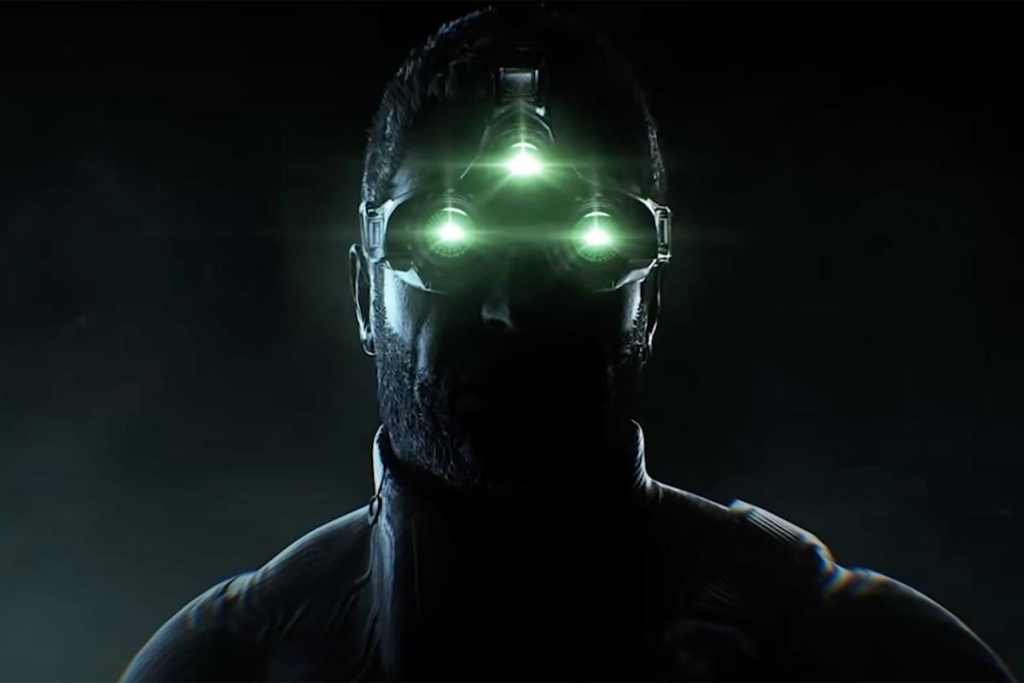
Ubisoft Toronto Cuts 40 Jobs Amid Ongoing Industry Turmoil — Splinter Cell Remake Still in Development
The video game industry’s relentless wave of layoffs has struck again, this time hitting Ubisoft Toronto with the elimination of approximately 40 positions at one of the publisher’s flagship Canadian studios. The move comes as part of Ubisoft’s broader restructuring efforts that have already seen thousands of jobs cut across the company’s global operations.
Ubisoft Toronto, known for its work on major franchises including Watch Dogs: Legion and Far Cry 6, now joins a growing list of studios affected by the publisher’s cost-cutting measures. The studio is currently developing the highly anticipated Splinter Cell remake, first announced in 2021, which Ubisoft insists remains on track despite the staffing reductions.
“This decision was not taken lightly and does not in any way reflect the talent, dedication, or contributions of the individuals affected,” Ubisoft stated in response to reports from Mobile Syrup, which first broke the news of the layoffs. “Our priority now is to support them through this transition with comprehensive severance packages and robust career placement assistance.”
The Toronto cuts represent just one front in what has become an industry-wide crisis. Ubisoft’s Swedish studios have already faced similar reductions, while reports suggest up to 200 positions could be eliminated at the company’s Paris headquarters. These moves follow the cancellation of multiple high-profile projects, including the troubled Prince of Persia: The Sands of Time remake, which was shelved alongside five other games as part of Ubisoft’s strategic realignment.
The human cost of these corporate decisions became starkly visible last week when 1,200 Ubisoft employees across multiple locations staged a coordinated strike. The walkout was a direct response to the combination of layoffs, project cancellations, and the company’s controversial mandatory return-to-office policy that has drawn criticism from workers seeking flexibility in an increasingly competitive job market.
Industry analysts point to several converging factors driving these cuts: rising development costs, shifting consumer preferences, increased competition from indie developers and live-service games, and the lingering economic uncertainty following the pandemic-era gaming boom. Ubisoft, once seen as one of the industry’s most stable giants, now finds itself grappling with the same pressures that have forced layoffs at companies like Epic Games, Riot Games, and Embracer Group.
The impact on Splinter Cell development remains unclear, though Ubisoft maintains the remake is progressing. The franchise, dormant since 2013’s Blacklist, represents a significant investment for the publisher and a potential lifeline for the Toronto studio. However, with development teams already stretched thin and morale reportedly low following multiple rounds of cuts, questions persist about whether the game can meet its ambitious goals with a reduced workforce.
What makes these layoffs particularly painful for the industry is their timing. Game development is a collaborative, creative process that relies heavily on institutional knowledge and team chemistry. Losing 40 experienced developers at a critical juncture could have ripple effects that extend far beyond the immediate cost savings.
The broader implications for Ubisoft’s future are equally concerning. The company has seen its stock price tumble and faces increasing pressure from investors to streamline operations and deliver consistent profits. Yet the very measures being taken to achieve financial stability—layoffs, cancellations, and aggressive restructuring—risk damaging the creative output and employee morale that drive long-term success in the games industry.
As Ubisoft Toronto’s affected employees begin their job searches, supported by the company’s severance packages, the incident serves as another sobering reminder of the video game industry’s volatility. Even successful studios working on beloved franchises are not immune to the forces of corporate restructuring and market pressures that continue to reshape the landscape of interactive entertainment.
The coming months will reveal whether Ubisoft’s strategy of aggressive cost-cutting can stabilize the company or whether it represents a short-term fix that undermines the creative foundation necessary for sustained success in an increasingly competitive market.
Tags & Viral Phrases:
Ubisoft layoffs, video game industry crisis, Splinter Cell remake, game development cuts, Toronto game studio, Ubisoft restructuring, gaming industry layoffs 2025, AAA game cancellations, Prince of Persia remake canceled, Ubisoft strike, game developer layoffs, gaming industry turmoil, Ubisoft Toronto jobs, video game employment crisis, AAA studio cuts, game industry restructuring, Ubisoft cost-cutting, gaming job losses, Splinter Cell development, Ubisoft employee strike, video game market crash, gaming industry recession, Ubisoft financial troubles, game studio closures, AAA game development costs, Ubisoft stock price, gaming industry consolidation, video game employment, Ubisoft Paris layoffs, Swedish game studio cuts, game industry volatility, Ubisoft return-to-office controversy, gaming industry future, AAA game development crisis, Ubisoft organizational restructuring, video game development layoffs, gaming industry workforce reduction, Ubisoft Toronto studio, game industry job security, video game company layoffs, Ubisoft employee support, gaming industry challenges, AAA game market saturation, Ubisoft creative team cuts, video game industry sustainability, gaming industry adaptation, Ubisoft Toronto development team, game industry economic pressures, AAA game profitability crisis.
,


Leave a Reply
Want to join the discussion?Feel free to contribute!