
Ukrainian National Sentenced to 5 Years in North Korea IT Worker Fraud Case
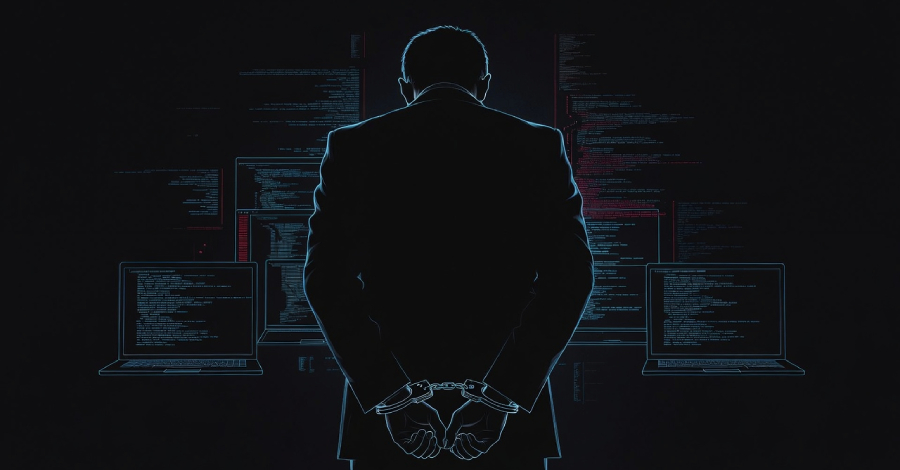
Ukrainian National Sentenced to 5 Years for Role in North Korean IT Worker Fraud Scheme
In a landmark case highlighting the evolving landscape of cybercrime and international espionage, a 29-year-old Ukrainian national has been sentenced to five years in a U.S. federal prison for his pivotal role in facilitating North Korea’s sophisticated fraudulent IT worker scheme. Oleksandr “Alexander” Didenko’s conviction marks another significant victory for U.S. law enforcement agencies in their ongoing battle against state-sponsored cyber operations that threaten national security and economic stability.
The Intricate Web of Deception
Didenko’s operation, which prosecutors describe as both ingenious and deeply troubling, involved the systematic theft and sale of American identities to overseas IT workers, primarily from North Korea. These workers then used the stolen identities to secure employment at approximately 40 U.S. companies, creating a complex pipeline that funneled legitimate salaries back to the North Korean regime to support its weapons programs.
The scale of the operation was staggering. Court documents reveal that Didenko managed as many as 871 proxy identities and facilitated the operation of at least three U.S.-based laptop farms. These facilities, located in Virginia, Tennessee, and California, served a crucial purpose: creating the illusion that North Korean workers were physically present in the United States when, in reality, they were operating remotely from countries like China where they had been dispatched.
The Digital Infrastructure of Fraud
At the heart of Didenko’s criminal enterprise was a website called Upworksell.com, which he operated since early 2021. This platform functioned as a marketplace where overseas IT workers could purchase or rent stolen or borrowed American identities. The site specifically targeted freelance work platforms based in California and Pennsylvania, exploiting the growing trend of remote work that has accelerated in recent years.
The website’s operations were sophisticated enough to warrant seizure by authorities on May 16, 2024, but not before it had facilitated thousands of fraudulent job applications and countless hours of illicit employment. The digital footprint left by Upworksell.com provides investigators with valuable insights into how modern cybercrime operations are structured and how they exploit the vulnerabilities inherent in our increasingly digital economy.
The Laptop Farm Operation
Perhaps the most innovative aspect of Didenko’s scheme was the laptop farm operation. By paying American citizens to receive and host laptops at their residences, Didenko created a physical presence that could be used to authenticate the supposed location of North Korean workers. This tactic proved particularly effective because it addressed one of the primary challenges faced by remote workers attempting to appear as if they were operating from within the United States.
The laptop farms served multiple purposes. First, they provided a physical address that could be used for shipping equipment and receiving verification codes. Second, they created a network of IP addresses that appeared to be American, making it more difficult for companies to detect the fraudulent nature of the employment arrangements. Finally, they allowed North Korean workers to bypass many of the security measures that companies have implemented to prevent remote work fraud.
The Financial Impact
The financial implications of Didenko’s operation were substantial. In addition to his prison sentence, Didenko has been ordered to serve 12 months of supervised release and pay $46,547.28 in restitution. Furthermore, he agreed to forfeit more than $1.4 million, which includes approximately $181,438 in U.S. dollars and cryptocurrency seized from him and his co-conspirators.
However, the true cost of the scheme extends far beyond these figures. The North Korean IT workers facilitated by Didenko were paid hundreds of thousands of dollars for their work, money that ultimately flowed back to support North Korea’s weapons programs. This represents a direct threat to U.S. national security, as these funds could potentially be used to develop nuclear weapons or other military capabilities.
The Broader Conspiracy
Didenko’s operation was not an isolated incident but rather part of a larger, more sophisticated conspiracy involving multiple actors across different countries. One of the most significant connections was to Christina Marie Chapman, who operated a laptop farm in Arizona. Chapman was arrested in May 2024 and subsequently sentenced to 102 months in prison in July 2025 for her participation in the scheme.
The involvement of individuals like Chapman highlights the complexity of these operations and the various roles that different participants play. While Didenko provided the technical infrastructure and managed the identity marketplace, Chapman and others like her provided the physical infrastructure necessary to make the scheme work. This division of labor allowed the conspiracy to operate at a scale that would have been impossible for a single individual to manage.
The Money Trail
One of the most concerning aspects of Didenko’s operation was his ability to help North Korean clients access the U.S. financial system. Rather than requiring them to open bank accounts within the United States, which would have been more easily detected, Didenko utilized Money Service Transmitters to move employment income to foreign bank accounts. This method of financial transfer is particularly difficult to trace and provides a level of anonymity that traditional banking channels do not offer.
The use of Money Service Transmitters also highlights the adaptability of these criminal operations. As financial institutions and law enforcement agencies develop new methods for detecting and preventing money laundering and other financial crimes, criminal organizations are quick to adopt alternative methods that can bypass these safeguards.
The National Security Implications
The sentencing of Oleksandr Didenko represents more than just another cybercrime conviction; it underscores the very real national security threat posed by North Korea’s use of IT workers to generate revenue for its weapons programs. U.S. Attorney Jeanine Ferris Pirro emphasized this point in her statement following the sentencing, noting that “North Korea is not only a threat to the homeland from afar, it is an enemy within.”
This characterization reflects the growing concern among U.S. officials about the extent to which foreign adversaries are able to infiltrate American companies and institutions through seemingly legitimate channels. The fact that North Korean workers were able to secure employment at 40 different U.S. companies demonstrates the effectiveness of these infiltration tactics and the challenges that companies face in verifying the identities and locations of remote workers.
The Evolving Threat Landscape
Despite the successful prosecution of Didenko and others involved in the scheme, evidence suggests that North Korea’s IT worker conspiracy continues to evolve and adapt. According to a recent report from threat intelligence firm Security Alliance (SEAL), the IT workers have begun to apply for remote positions using real LinkedIn accounts of individuals they’re impersonating in an effort to make their fraudulent applications look authentic.
This new tactic represents a significant escalation in the sophistication of these operations. By using real LinkedIn accounts, the North Korean workers can leverage the existing professional networks and endorsements associated with those accounts, making it much more difficult for companies to detect the fraud. This evolution in tactics demonstrates the adaptability of these criminal organizations and the ongoing challenge that law enforcement agencies face in staying ahead of these threats.
The Human Element
While much of the discussion around cybercrime focuses on technical aspects and financial implications, it’s important to remember the human element involved in these operations. The individuals whose identities were stolen by Didenko and his co-conspirators suffered real harm, including potential damage to their credit scores, professional reputations, and personal finances. Additionally, the American citizens who were paid to host laptops in their homes may not have fully understood the implications of their participation in the scheme.
Furthermore, the North Korean workers themselves are often victims of their own government’s oppressive policies. Many are sent abroad under duress and face severe consequences if they fail to generate the revenue expected of them. This complex web of exploitation and coercion underscores the moral complexity of these operations and the challenges involved in addressing them.
The Path Forward
The successful prosecution of Oleksandr Didenko and others involved in this scheme represents an important step in combating state-sponsored cybercrime. However, it also highlights the need for continued vigilance and adaptation on the part of law enforcement agencies, companies, and individuals.
Companies need to implement more robust verification procedures for remote workers, including enhanced identity verification, location verification, and ongoing monitoring for suspicious activity. Law enforcement agencies need to continue developing their capabilities in areas such as cryptocurrency tracking, international cooperation, and digital forensics. Individuals need to be more aware of the risks associated with identity theft and take appropriate measures to protect their personal information.
Conclusion
The case of Oleksandr Didenko and the North Korean IT worker scheme serves as a stark reminder of the sophisticated and evolving nature of modern cybercrime. It demonstrates how criminal organizations can exploit the opportunities presented by our increasingly digital and interconnected world to conduct operations that pose significant threats to national security and economic stability.
As technology continues to advance and the nature of work continues to evolve, it’s likely that we’ll see similar schemes emerge in the future. The key to combating these threats lies in our ability to adapt and innovate, both in terms of our technical capabilities and our legal frameworks. The successful prosecution of Didenko represents an important victory in this ongoing battle, but it’s clear that much work remains to be done.
The story of this case is not just about one man’s criminal activities or even about a single conspiracy. It’s about the broader challenges we face in an era where the boundaries between the physical and digital worlds are increasingly blurred, and where the actions of individuals thousands of miles away can have profound impacts on our daily lives. As we move forward, we must remain vigilant and continue to develop the tools and strategies necessary to protect ourselves from these evolving threats.
Tags: North Korea, Cybercrime, IT Worker Fraud, National Security, Identity Theft, Laptop Farms, Money Laundering, Cryptocurrency, Remote Work, State-Sponsored Hacking, Digital Espionage, Financial Crime, Cybersecurity, Law Enforcement, International Crime
Viral Phrases: “Enemy Within,” “Digital Deception,” “Virtual Espionage,” “Cyber Shadows,” “Digital Double Agents,” “Virtual Infiltration,” “Digital Masquerade,” “Cyber Phantom Workers,” “Virtual Trojan Horses,” “Digital Identity Crisis,” “Virtual Money Laundering,” “Cyber Ghost Operations,” “Digital Shadow Economy,” “Virtual State Actors,” “Cyber Identity Theft,” “Digital Infiltration Tactics,” “Virtual Fraud Networks,” “Cyber Money Trails,” “Digital Deception Operations,” “Virtual Security Threats”
,

Leave a Reply
Want to join the discussion?Feel free to contribute!