
Underrated hack ‘n’ slash Blades of Fire heads to Steam with a 2.0 update, bringing new game plus and ‘expanded death and mutilation variations’ for you sickos out there
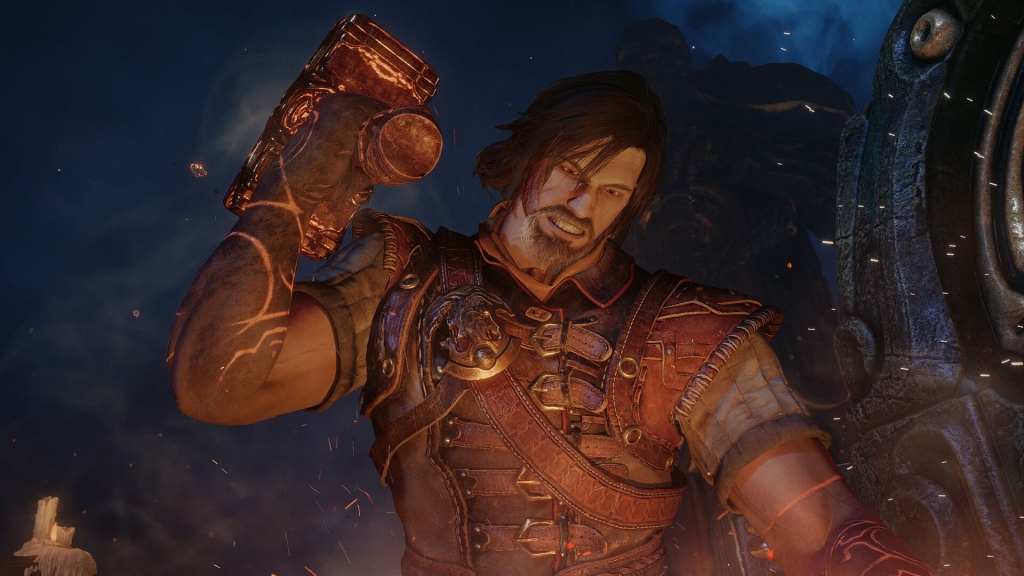
Blades of Fire 2.0: MercurySteam’s Epic Action RPG Gets a Second Chance on Steam
When MercurySteam’s Blades of Fire first launched last year, it arrived with all the fanfare of a tax audit. Announced mere months before release, exclusive to the Epic Games Store on PC, and sporting lukewarm reviews, the game seemed destined to fade into obscurity despite its clear lineage to the beloved Blade of Darkness series.
But sometimes, the best stories are about second chances. This May 16th, Blades of Fire is making a triumphant return to PC gaming’s biggest platform—Steam—as “Blades of Fire 2.0,” complete with a massive update that could finally give this underrated gem the spotlight it deserves.
From Epic Exclusive to Steam Sensation
The journey from Epic exclusivity to Steam’s bustling marketplace represents more than just a platform change. It’s a strategic pivot that could expose Blades of Fire to the massive audience it initially missed. The timing couldn’t be better, as the action RPG genre continues to dominate player preferences and streaming platforms.
What makes this transition particularly exciting is that it’s not just a simple port. MercurySteam has been listening to player feedback and is delivering what they’re calling “Blades of Fire 2.0″—a comprehensive upgrade that addresses many of the original release’s shortcomings while adding substantial new content.
The New Game Plus Revolution
For completionists and replayability enthusiasts, the New Game Plus mode is the headline feature. This isn’t your standard NG+ offering either. Players will gain access to new weapon parts and skins, allowing for unprecedented customization and experimentation. Imagine crafting that perfect axe with the weight distribution just right, or discovering a sword skin that makes you feel like a true warrior of legend.
The weapon crafting system, which was already one of the game’s strongest features, gets even deeper. Players can now experiment with different material combinations, creating weapons that aren’t just visually distinct but functionally unique. This addresses one of the original release’s limitations—once you found your optimal build, there wasn’t much reason to experiment further.
Titanium Difficulty: For Those Who Dare
If you thought the original game was challenging, prepare yourself for “Titanium” difficulty. This new setting promises to push even the most skilled players to their limits. Based on MercurySteam’s track record with challenging combat encounters, Titanium will likely require mastery of every combat mechanic, perfect timing, and strategic thinking that goes beyond simple button-mashing.
This addition speaks to a growing trend in modern gaming: difficulty options that cater to both casual players and hardcore enthusiasts. By including Titanium, MercurySteam ensures that Blades of Fire can satisfy players who found the original too easy while maintaining accessibility for newcomers.
Boss Revival Mode: Relive the Glory
One of the most exciting additions is the Boss Revival mode. This feature allows players to replay boss encounters, but with meaningful rewards tied to performance. It’s a brilliant design choice that serves multiple purposes: it gives players a reason to master boss mechanics, provides additional content for those who’ve completed the main story, and creates opportunities for speedrunners and challenge-seekers to test their skills.
The implementation of this mode suggests that MercurySteam’s boss design was strong enough to warrant revisiting. In action games, boss fights are often the highlight, and giving players the ability to return to these encounters with improved gear and skills adds tremendous value to the overall package.
Technical Refinements That Matter
Beyond the headline features, Blades of Fire 2.0 includes numerous technical improvements that might seem small individually but collectively enhance the experience significantly:
Animation Transitions: The original game sometimes suffered from stiff or jarring animation transitions, particularly during combat. The updated version promises smoother transitions that will make combat feel more fluid and responsive—crucial for an action game where timing is everything.
Death and Mutilation Variations: This darkly humorous addition expands the already-gruesome combat feedback. Different enemy types and attack combinations will now result in varied death animations and dismemberment effects. It’s a small touch that adds to the visceral satisfaction of combat while maintaining the game’s gritty aesthetic.
Elements Transmutation: Perhaps the most significant gameplay change, this feature allows players to change material types on weapons. This means you’re no longer locked into the properties of whatever materials you initially used. Found a weapon design you love but wish it had different elemental properties? Now you can transmute it to suit your needs.
The Story Behind the Steel
For those unfamiliar with Blades of Fire, it’s worth understanding what makes this game special. MercurySteam, the studio behind Metroid Dread and the underrated Castlevania: Lords of Shadow, created Blades of Fire as a spiritual successor to Blade of Darkness—a cult classic hack-and-slash game from 2001.
The game follows Aran de Lira, a warrior who can forge weapons from any material he encounters, and his companion Adso, who provides narration and assistance throughout their journey. The story blends dark fantasy elements with themes of destiny, sacrifice, and the corrupting influence of power.
What set the original Blades of Fire apart was its commitment to realistic weapon physics and material properties. Different materials behaved differently in combat—bone weapons were lightweight but brittle, while steel weapons were durable but heavy. This attention to detail extended to enemy armor and vulnerabilities, creating a combat system that rewarded observation and adaptation.
Critical Reception: The Warm End of Lukewarm
When Blades of Fire launched, it received mixed reviews. Critics praised its combat mechanics, weapon crafting system, and visual presentation, but many felt it didn’t quite reach its full potential. PC Gamer’s Kerry Brunskill captured this sentiment perfectly: “Blades of Fire may not be polished steel, but there is a shining nugget of something good in here.”
The comparison to God of War was inevitable and not always flattering. Some critics felt Blades of Fire borrowed too heavily from Sony’s blockbuster series, particularly in its character dynamics and narrative presentation. However, others argued that Blades of Fire carved out its own identity through its unique weapon crafting mechanics and darker, more brutal tone.
Why This Release Matters
The Steam release of Blades of Fire 2.0 represents more than just another game launch. It’s a case study in how games can evolve post-release and find their audience even after a rocky start. Several factors make this particularly noteworthy:
Platform Accessibility: Moving from Epic exclusivity to Steam opens the game to a massive audience that may have been hesitant to engage with a platform-exclusive title.
Post-Launch Support: The comprehensive nature of the update demonstrates MercurySteam’s commitment to their creation and willingness to iterate based on player feedback.
Genre Health: Action RPGs with deep combat systems and meaningful progression are having a moment. Blades of Fire fits perfectly into this trend, and its unique weapon crafting system could help it stand out in a crowded field.
The Demo: Try Before You Buy
For the curious, there’s good news: a demo is available right now on Steam. This gives potential players the opportunity to experience the core combat mechanics, experiment with the weapon crafting system, and get a feel for the game’s tone before committing to the full purchase. In an era where game prices continue to rise, demos serve as an important trust-building mechanism between developers and players.
What Players Are Saying
Early impressions from those who played the original release suggest that Blades of Fire has a dedicated fanbase who appreciated its unique approach to action RPG mechanics. Many cite the weapon crafting system as genuinely innovative, allowing for creative problem-solving that goes beyond simple stat optimization.
The game’s visual presentation also earned consistent praise, with MercurySteam’s signature dark fantasy aesthetic creating memorable environments and enemy designs. The combat, when it clicked, provided the kind of satisfying feedback that action game enthusiasts crave.
The Broader Context
Blades of Fire‘s journey reflects broader trends in the gaming industry. The move from Epic exclusivity to Steam highlights the ongoing platform wars and how developers are navigating them. The comprehensive post-launch support demonstrates how games are increasingly viewed as evolving services rather than static products.
Moreover, the game’s focus on realistic weapon physics and material properties speaks to a growing player desire for systems-driven gameplay over scripted experiences. In an age of increasingly cinematic games, Blades of Fire‘s commitment to mechanical depth is refreshing.
Looking Forward
As May 16th approaches, anticipation is building for what could be Blades of Fire‘s moment in the spotlight. The combination of platform accessibility, comprehensive updates, and growing interest in the action RPG genre creates perfect conditions for the game to find its audience.
Whether you’re a fan of challenging combat, deep crafting systems, or dark fantasy settings, Blades of Fire 2.0 deserves your attention. Sometimes the most interesting games are the ones that arrive quietly, improve based on feedback, and eventually reveal themselves as hidden gems.
The steel has been forged, the flames have been stoked, and now it’s time to see if Blades of Fire can finally earn the recognition it deserves. One thing is certain: in the world of gaming, second chances are rare, and when they come with this much passion and improvement behind them, they’re worth celebrating.
Tags & Viral Phrases:
spiritual successor to Blade of Darkness, hack ‘n’ slash revival, MercurySteam’s passion project, Epic Games Store exclusive, Steam release redemption arc, weapon crafting innovation, Titanium difficulty challenge, New Game Plus with weapon skins, Boss Revival mode rewards, elements transmutation system, smoother combat animations, death and mutilation variations, dark fantasy action RPG, realistic weapon physics, post-launch game evolution, hidden gem discovery, gaming second chances, platform exclusivity drama, action RPG renaissance, mechanical depth over cinematic spectacle
,


Leave a Reply
Want to join the discussion?Feel free to contribute!