
‘Upgrade’ Producer Dishes On the TV Sequel That Almost Was
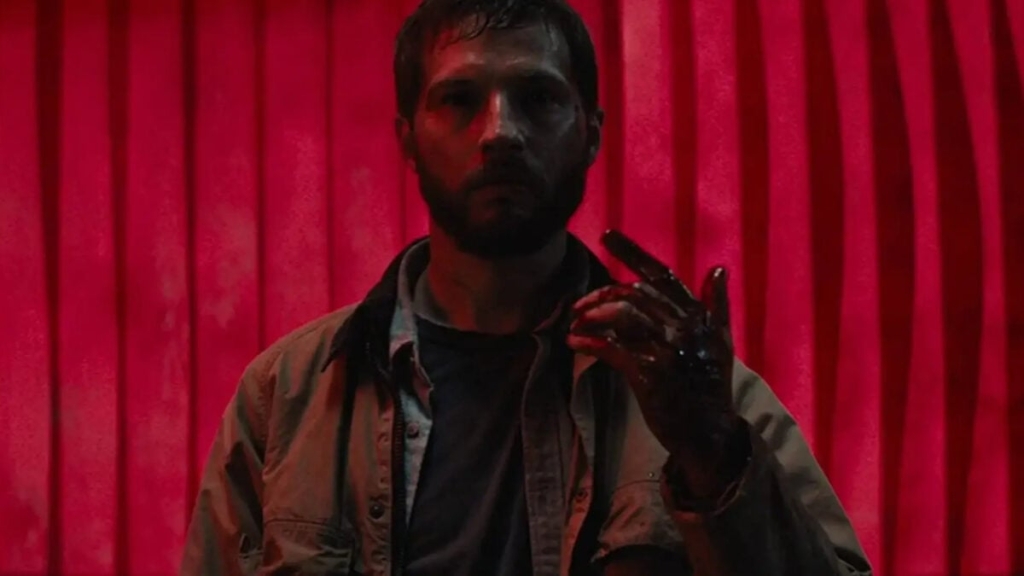
The Untold Story Behind the Canceled ‘Upgrade’ TV Series: From Pandemic Setbacks to Studio Politics
Leigh Whannell’s 2018 sci-fi thriller Upgrade delivered a brutal, cyberpunk punch that left fans craving more. The film’s gripping tale of a paralyzed man gaining superhuman abilities through an AI implant struck a chord, sparking immediate talk of a sequel. What followed was a rollercoaster of development hell that ultimately ended in cancellation—but not before revealing a fascinating behind-the-scenes saga of ambition, global crises, and Hollywood politics.
The Rise and Fall of a Promising Reboot
When news broke in 2019 that Upgrade would be reimagined as a television series for Peacock, excitement rippled through the sci-fi community. The original film had ended with a tantalizing setup—our protagonist Grey Trace fully subsumed by the STEM AI, leaving the door wide open for further exploration of this dystopian technological landscape.
Producer Tim Walsh, who had been instrumental in bringing the original film to life, was tapped to write and showrun the series. What should have been a straightforward adaptation quickly became anything but.
The Perfect Storm of Obstacles
Speaking candidly to Bloody Disgusting, Walsh revealed the series faced a “tumultuous time” from the very beginning. The writers’ room convened on the very day the COVID-19 pandemic brought the world to a standstill—a symbolic start that would foreshadow the challenges to come.
The creative vision for the series was ambitious and provocative. Rather than simply continuing Grey Trace’s story, the show would have explored four hardened criminals implanted with STEM chips in an experimental rehabilitation program. Walsh described it as “a Clockwork Orange but with STEM”—a bold reimagining that promised to delve deeper into questions of free will, rehabilitation, and the ethics of technological control.
However, timing proved to be everything. Walsh acknowledged that a show centered on criminals and experimental justice systems might have struggled in an era when public discourse increasingly questioned police brutality and the criminal justice system. The cultural climate had shifted dramatically since the film’s release, and what might have felt like cutting-edge science fiction in 2018 could have been perceived as tone-deaf by 2020.
The Studio Politics That Sealed Its Fate
Beyond cultural considerations, the series fell victim to the often capricious nature of streaming platform politics. As Walsh tells it, the writers had completed their work and scripts were ready to go when a Peacock executive who had championed the project was suddenly fired. The subsequent leadership change proved fatal.
“The new person came in, thought they knew everything, and dropped the project,” Walsh explained, the disappointment still evident in his recounting of events. For a showrunner who had poured his creative energy into developing this vision, the cancellation “still hurts”—a testament to how deeply creators invest in their work, only to see it vanish due to factors entirely beyond their control.
The Legacy Lives On
Despite the disappointment, Walsh hasn’t closed the door on future collaborations with Whannell. The creative partnership that birthed Upgrade might yet find new life in another project, potentially incorporating elements from the abandoned series or charting entirely new territory.
For fans, the cancellation represents a double loss: not only the missed opportunity to revisit the Upgrade universe, but also the absence of what could have been a thought-provoking exploration of technology’s role in justice and rehabilitation. In an era where AI and human augmentation are increasingly relevant topics, Upgrade had the potential to be more than just entertainment—it could have been cultural commentary at its finest.
The story of the Upgrade TV series serves as a reminder of how fragile creative projects can be, vulnerable to forces ranging from global pandemics to executive turnover. Yet it also demonstrates the enduring appeal of Whannell’s vision—a world where technology promises salvation while threatening our very humanity.
Tags: Upgrade TV series cancelled, Leigh Whannell, Peacock streaming, STEM AI technology, sci-fi television drama, COVID-19 production delays, Hollywood studio politics, cyberpunk entertainment, technology ethics in media, streaming platform cancellations, film to TV adaptations, A Clockwork Orange inspired, criminal rehabilitation technology, AI human augmentation, behind the scenes Hollywood, streaming wars casualties
Viral Sentences: The Upgrade series that never was, pandemic meets production hell, when studio politics kill creativity, the cyberpunk show that got STEMmed out, technology’s promise and Hollywood’s reality, four criminals, one AI, zero chance, the reboot that rebooted itself into oblivion, timing is everything in sci-fi and streaming, the show that died twice: once from COVID, once from corporate, when your showrunner starts on the day the world shuts down, the STEM chip that couldn’t save this series, Hollywood’s version of a system upgrade gone wrong, the Upgrade that downgraded to nothing, when your new boss doesn’t share your vision for AI criminals, the Clockwork Orange for the streaming age that never got its chance, technology waits for no one, especially not canceled TV shows
,

Leave a Reply
Want to join the discussion?Feel free to contribute!