
US allows NVIDIA to sell H200 chips to China with 25% US royalty, limits sales to approved customers · TechNode
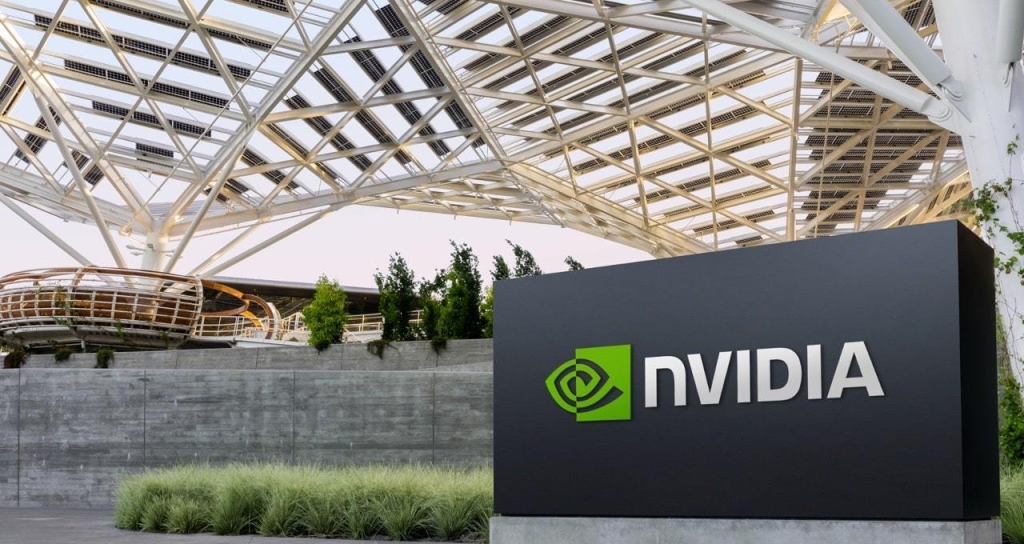
Breaking: Trump Administration Approves NVIDIA’s H200 AI Chip Sales to China with 25% Royalty Fee
In a major policy shift, U.S. President Donald Trump announced on social media that the U.S. government will allow NVIDIA to sell its advanced H200 AI chips to China—but with a significant catch. Under the new directive, NVIDIA must pay a 25% royalty on every H200 chip sold to Chinese customers, with the same terms applying to other chipmakers like Intel and AMD.
The decision, which marks a notable pivot in U.S.-China tech trade relations, comes amid ongoing tensions over semiconductor exports and national security concerns. Trump emphasized that sales will be restricted to “approved customers,” signaling a tightly controlled framework for future chip exports.
NVIDIA Welcomes the Move as a “Balanced Approach”
In a statement following the announcement, NVIDIA expressed support for the policy, describing it as a “balanced approach” that would benefit both American industry and global trade. The company highlighted that the measure would help sustain high-paying U.S. jobs and bolster domestic manufacturing capabilities.
“We welcome the Administration’s decision to allow the export of H200 chips to Commerce Department-vetted commercial clients,” NVIDIA said. “This serves the interests of all parties involved—protecting national security while enabling continued innovation and economic growth.”
The H200, NVIDIA’s successor to the H100, is a high-performance AI accelerator designed for data centers and large-scale machine learning workloads. Its export had previously been restricted under U.S. export control regulations aimed at curbing China’s access to cutting-edge AI technologies.
Broader Implications for the Semiconductor Industry
The Trump administration’s decision could have wide-reaching effects across the semiconductor sector. By imposing a royalty structure, the U.S. government appears to be seeking a middle ground—allowing American companies to maintain a foothold in the lucrative Chinese market while ensuring that the U.S. Treasury benefits from the transactions.
Industry analysts suggest that the 25% royalty could serve as a precedent for future tech export agreements, potentially reshaping how the U.S. balances economic interests with national security priorities. For NVIDIA and its competitors, the policy offers a path to recover lost revenue from previous export bans, though at a significant cost.
China’s AI Ambitions and the Global Chip Race
China’s AI sector has been rapidly expanding, with companies like Baidu, Alibaba, and Tencent investing heavily in machine learning and data center infrastructure. Access to high-end AI chips like the H200 is critical for these firms to remain competitive on the global stage.
The U.S. has long been concerned about China’s technological rise, particularly in areas with military or surveillance applications. By allowing controlled exports with financial penalties, the Trump administration may be attempting to slow China’s AI progress while still enabling American companies to profit from the world’s second-largest economy.
What’s Next for NVIDIA and Other Chipmakers?
With the green light from Washington, NVIDIA is expected to move quickly to fulfill existing orders and negotiate new deals with vetted Chinese clients. However, the 25% royalty fee will likely impact profit margins, and the company may need to adjust pricing strategies accordingly.
Other chipmakers, including Intel and AMD, are also expected to seek similar export approvals. The Commerce Department’s vetting process for “approved customers” will be closely watched, as it could set the standard for future tech exports to China and other restricted markets.
A Delicate Balance Between Commerce and Security
The Trump administration’s decision underscores the complex interplay between economic interests and national security in the tech sector. While the move is being praised by industry leaders for its pragmatic approach, critics argue that it could still provide China with the tools it needs to advance its AI capabilities.
As the global race for AI dominance intensifies, the U.S. faces the challenge of maintaining its technological edge while navigating the realities of international trade. The H200 chip deal may be just the beginning of a new era in tech diplomacy—one where innovation, commerce, and security are inextricably linked.
Tags: NVIDIA H200, AI chips, China tech export, Trump administration, semiconductor industry, U.S.-China trade, AI dominance, export controls, Intel AMD, Commerce Department, tech diplomacy, machine learning hardware, national security tech, royalty fees, high-performance computing, data center AI, global chip race, vetted clients, economic growth tech, innovation policy.
,

Leave a Reply
Want to join the discussion?Feel free to contribute!