
US and Israel launch strikes on Iran, as Trump says ‘massive’ campaign underway
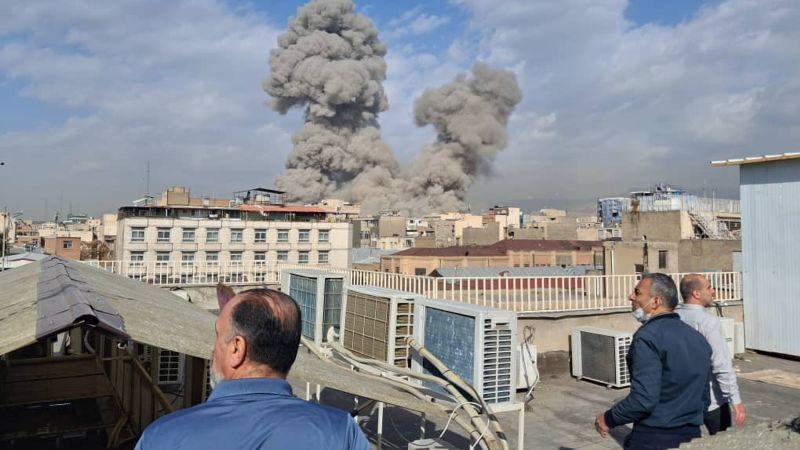
BREAKING: US and Israel Launch Massive Military Strikes on Iran in Escalation Over Nuclear Program
In a dramatic escalation of Middle Eastern tensions, the United States and Israel have launched coordinated military strikes against Iran, marking a significant turning point in the ongoing conflict over Tehran’s nuclear ambitions. The operation, described by President Donald Trump as “massive and ongoing,” began Saturday and has sent shockwaves through global markets and diplomatic circles.
Trump Confirms Military Campaign
President Trump took to social media to confirm the operation, stating that the United States had initiated a military campaign against Iran “to prevent this very wicked, radical dictatorship from threatening America and our core national security interests.” In a video posted to Truth Social, Trump declared, “We are going to destroy their missiles and raze their missile industry to the ground.”
The strikes come after weeks of tense negotiations between US and Iranian officials regarding the country’s nuclear program. Despite Iran’s repeated assertions that its nuclear activities are solely for civilian purposes, the Trump administration has maintained that Tehran’s ambitions pose an existential threat to regional stability.
Israeli Defense Minister Calls It “Preemptive Strike”
Israeli Defense Minister Israel Katz characterized the attack as a “preemptive strike” against Iran, as Israel declared a state of emergency across the country. The operation specifically targeted Iran’s ballistic missile capabilities, which Israel views as an immediate and serious threat to its national security.
US military officials have indicated that the strikes are planned to continue for several days, with one source describing them as “not a small strike.” The scale and intensity of the operation suggest a comprehensive effort to degrade Iran’s military capabilities, particularly its missile infrastructure.
Iran Braces for Retaliation
In response to the attacks, Iran has closed its airspace, with Majid Akhavan, spokesperson for the civil aviation organization, confirming the measure through state-affiliated media. Schools across the country have been ordered to shut down, with remote learning activated as a precautionary measure.
Iranian state media has reported that the country is preparing for a “crushing response” to the attacks, raising concerns about the potential for a wider regional conflict. Videos geolocated and verified by CNN show smoke rising from the capital city of Tehran, with additional strikes reported in the cities of Isfahan, Qom, Karaj, and Kermanshah, according to the state-run news agency Fars.
Missile Exchange Begins
Approximately two hours after the initial strikes, Israel sounded the first warning of incoming missiles from Iran. The notification from Israel’s Home Front Command was sent directly to cell phones, warning residents that alerts were expected “in a few minutes” and instructing them to prepare to enter protected spaces.
The Israeli military confirmed that it had identified missiles launched from Iran toward Israel. In a statement, the Israel Defense Forces (IDF) said, “At this time, the Israeli Air Force is operating to intercept and strike threats where necessary to remove the threat.”
Strategic Context and Background
The Saturday operation follows repeated threats from President Trump, who had warned Iran of US military intervention if the regime didn’t stop killing anti-government protesters. The US also threatened to intervene if Iran did not agree to a new nuclear deal, which was the subject of US-Iran diplomatic talks in Geneva just days earlier.
Trump has repeatedly hinted that he would like to see regime change in Iran while simultaneously insisting that the country halt all of its uranium enrichment activities to prevent it from ever developing a nuclear weapon. However, the administration has not articulated a clear strategic objective for the military operation or indicated how long such an operation might last.
Military Buildup and Preparations
The US military has been preparing for possible strikes for weeks while indirect negotiations were ongoing between Washington and Tehran. American forces have steadily massed Air Force and Naval assets in the region in anticipation of a possible “go” order from President Trump.
Military officials, including Chairman of the Joint Chiefs of Staff Dan Caine, have been privately warning about the potential downsides of a prolonged conflict with Iran. These concerns include the scale and complexity of such a mission, as well as the potential for US casualties. Satellite imagery has shown that as the US has collected its military hardware in the area, Iran has been fortifying several of its nuclear facilities.
Global Implications and Market Reaction
The strikes have sent immediate ripples through global financial markets, with oil prices spiking and stock markets experiencing volatility. Regional allies of both the United States and Iran are bracing for potential spillover effects, while world powers are calling for restraint and urging both sides to return to diplomatic negotiations.
The United Nations Security Council has scheduled an emergency session to address the escalating situation, with many member states expressing deep concern about the potential for a wider regional conflict that could draw in multiple nations and non-state actors.
International Response
European Union officials have called for an immediate ceasefire and the resumption of diplomatic efforts, while Russia and China have condemned the strikes as violations of international law. Gulf states have expressed support for the US position while simultaneously calling for de-escalation to prevent further destabilization of the region.
NATO allies have been placed on heightened alert, with several member states reviewing their military readiness in case the conflict expands beyond the immediate theater. The strikes have also raised questions about the future of the 2015 nuclear deal, from which the United States withdrew during Trump’s first term.
Humanitarian Concerns
Human rights organizations have expressed alarm about the potential for civilian casualties and the impact on Iran’s civilian infrastructure. The closure of airspace and schools, along with the activation of remote learning, suggests that Iranian authorities are preparing for sustained military action that could affect daily life for millions of citizens.
Medical facilities across the region are being put on high alert, with hospitals preparing for potential mass casualty events. International aid organizations are positioning resources in neighboring countries in case of refugee flows or humanitarian crises.
Technological and Military Analysis
Military analysts note that the coordinated nature of the US-Israeli strikes demonstrates advanced intelligence sharing and operational planning between the two allies. The focus on Iran’s missile capabilities suggests a strategic effort to degrade Tehran’s ability to project power regionally and potentially target Israeli population centers.
The rapid missile response from Iran indicates that the country maintains significant offensive capabilities despite the initial strikes. Defense experts are closely monitoring the effectiveness of Israel’s missile defense systems, particularly the Iron Dome and other advanced interception technologies.
Economic Impact
The strikes have already begun affecting global energy markets, with Brent crude oil prices jumping significantly on concerns about potential disruptions to Middle Eastern oil supplies. Shipping companies are rerouting vessels away from the Strait of Hormuz, a critical chokepoint for global oil transportation, as a precautionary measure.
International businesses with operations in the region are reviewing their security protocols and considering evacuation plans for non-essential personnel. The technology sector, which has significant ties to both the US and Iranian markets, is particularly concerned about potential cyber retaliation from Iranian-backed hacker groups.
Diplomatic Fallout
The timing of the strikes, coming just days after diplomatic talks in Geneva, has raised questions about the effectiveness of diplomatic channels and the Trump administration’s approach to Iran. Some analysts suggest that the strikes may have been intended to strengthen the US negotiating position, while others view them as a breakdown of diplomatic efforts.
The attacks are likely to complicate relations with European allies who have been working to preserve the nuclear deal and maintain dialogue with Tehran. The situation may also affect ongoing negotiations on other regional issues, including the conflicts in Syria and Yemen, where Iranian-backed forces play significant roles.
Looking Ahead
As the military operation continues, attention is focused on Iran’s promised “crushing response” and how both the United States and Israel will react to any Iranian retaliation. The coming days will be critical in determining whether this represents a limited military campaign or the beginning of a broader conflict that could reshape the geopolitical landscape of the Middle East.
Military strategists are particularly concerned about the potential for miscalculation or unintended escalation, given the high stakes and the presence of multiple armed actors in the region. The international community remains on edge as the situation continues to develop.
Tags and Viral Phrases:
- US strikes Iran
- Israel preemptive strike
- Trump military campaign
- Iran missile response
- Middle East conflict escalation
- Nuclear program tensions
- Regional war fears
- Oil prices spike
- Global market volatility
- Diplomatic crisis
- Military buildup
- Civilian casualties concerns
- Cyber warfare fears
- Regime change hints
- Strategic objectives unclear
- International law concerns
- Humanitarian crisis potential
- Energy market disruption
- Shipping route changes
- NATO alert status
- UN emergency session
- European diplomatic efforts
- Gulf state reactions
- Russian and Chinese response
- Missile defense effectiveness
- Geopolitical landscape shift
- Miscalculation fears
- De-escalation calls
- 2015 nuclear deal future
- Syrian and Yemeni conflicts impacted
- Refugee crisis potential
- Medical facilities on alert
- International aid positioning
- Technology sector concerns
- Business evacuation plans
- Diplomatic channel breakdown
- European ally relations
- Regional stability threatened
- Global security implications
- Military intelligence sharing
- Offensive capability assessment
- Civilian infrastructure risks
- Remote learning activation
- Airspace closure measures
- State of emergency declared
- Cell phone alert systems
- Protected space preparations
- Missile interception operations
- Ballistic missile targeting
- Military asset positioning
- Joint Chiefs concerns
- Satellite imagery analysis
- Nuclear facility fortifications
- Military casualty fears
- Prolonged conflict warnings
- Strategic mission complexity
- US Naval assets deployment
- Air Force operations planning
- Diplomatic talks breakdown
- Geneva negotiation failure
- Anti-government protester violence
- Uranium enrichment halt demands
- Nuclear weapon development fears
- Regional power projection
- Israeli population center threats
- Iron Dome effectiveness
- Advanced interception technologies
- Strait of Hormuz concerns
- Global oil supply disruption
- Brent crude price impact
- Energy market volatility
- Shipping company rerouting
- Technology sector ties
- Iranian hacker group retaliation
- European nuclear deal preservation
- Syrian conflict complications
- Yemeni conflict impact
- Multiple armed actor presence
- High stakes miscalculation
- International community on edge
- Military campaign continuation
- Iranian retaliation monitoring
- Broader conflict potential
- Geopolitical landscape reshaping
,


Leave a Reply
Want to join the discussion?Feel free to contribute!