
US Charges Alleged Uranium Finance Hacker Over $54M DeFi Exploit
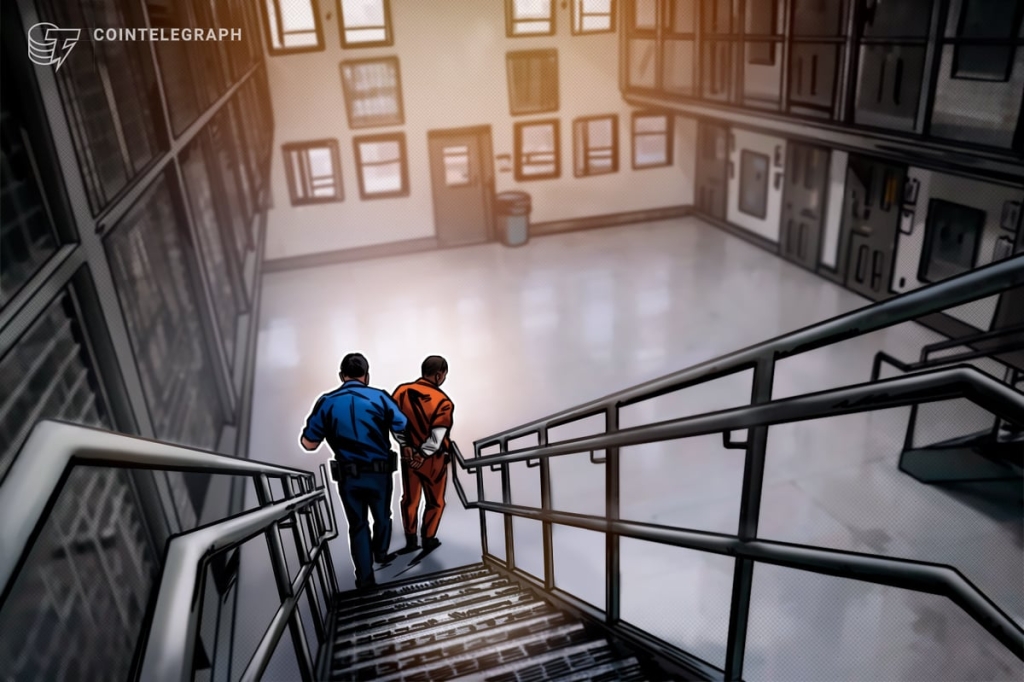
Breaking: The Man Behind the $54 Million Uranium Finance Hack Finally Caught!
In a stunning turn of events that’s sending shockwaves through the crypto world, federal authorities have finally unmasked the mastermind behind one of 2021’s most notorious DeFi heists. Jonathan Spalletta, a 28-year-old Maryland resident, now faces up to 30 years behind bars for allegedly orchestrating not one, but two devastating attacks on Uranium Finance that collectively drained over $54 million from the fledgling platform.
The “Crypto Bandit” Who Thought He’d Get Away With It
When the first hack hit Uranium Finance on April 8, 2021, many in the crypto community brushed it off as just another day in the wild west of decentralized finance. After all, this was during the peak of the bull run, when new DeFi projects were launching daily and exploits seemed almost routine. But what investigators now allege is that Spalletta wasn’t just another opportunistic hacker—he was conducting a sophisticated, calculated campaign of digital theft that would ultimately bring down an entire exchange.
The timing couldn’t have been more brazen. Uranium Finance had only launched on April 2, 2021, as a BNB Chain fork of the popular Uniswap automated market maker. Within days, Spalletta allegedly exploited a vulnerability in their smart contract, walking away with $1.4 million in what initially appeared to be a one-off incident.
But here’s where the story takes a darker turn: after negotiating a private settlement that saw all but $386,000 returned, Spalletta allegedly struck again—this time with devastating precision.
The $53 Million Finale That Sealed Uranium’s Fate
Just three weeks later, on April 28, 2021, Spalletta allegedly executed his master stroke. Using what prosecutors describe as “meticulous research” into Uranium’s smart contract architecture, he exploited a critical error in the withdrawal limit calculations across 26 different liquidity pools. The result? A staggering $53.3 million heist that included Bitcoin, Ethereum, and Uranium’s native U92 tokens.
What makes this attack particularly galling is the sheer audacity. While most hackers try to cover their tracks, Spalletta allegedly went on a spending spree that would make even the most extravagant crypto millionaire blush. Federal agents seized Pokémon trading cards, ancient Roman coins, and—in what might be the most bizarre detail of this entire saga—a piece of fabric from the Wright brothers’ original airplane.
“When Stealing from Crypto Exchanges Was ‘Different'”
US Attorney Jay Clayton minced no words in his statement announcing the charges. “Stealing from a crypto exchange is stealing—the claim that ‘crypto is different’ does not change that,” he declared. “For the victims, there is nothing different about having your money taken.”
This statement cuts to the heart of a debate that’s raged in crypto circles for years: are traditional laws even applicable to decentralized finance? Spalletta’s case suggests a resounding “yes” from federal prosecutors.
The Human Cost Behind the Numbers
While the financial figures are staggering—$54 million represents life-changing money for most people—the real impact was on Uranium Finance’s users. Many had invested their savings, hoping to catch the DeFi wave early. Instead, they watched helplessly as their investments vanished overnight.
The platform’s website went dark shortly after the second hack, and victims have been left with few answers for over three years. Now, with Spalletta’s arrest, they may finally see some form of justice.
The Bigger Picture: 2021’s $2.6 Billion Crypto Crime Wave
Spalletta’s alleged crimes didn’t occur in isolation. 2021 saw hackers steal an estimated $2.6 billion through various exploits and attacks. The year’s largest heist was a $610 million attack on Poly Network, though that hacker later returned the funds and was described by the team as a “white hat” actor.
What sets Spalletta’s case apart is the alleged personal spending spree and the fact that he’s now facing serious prison time. It’s a stark reminder that even in the pseudonymous world of crypto, law enforcement is getting smarter and more determined to track down bad actors.
The Legal Battle Ahead
Spalletta faces charges of computer fraud (up to 10 years) and money laundering (up to 20 years). He surrendered to authorities and was scheduled for arraignment before US Magistrate Ona Wang. The case is being prosecuted by the US Attorney’s Office for the Southern District of New York, which has been increasingly aggressive in pursuing crypto-related crimes.
What This Means for DeFi Security
The Uranium Finance hack exposed critical vulnerabilities in smart contract security that the entire DeFi ecosystem has since worked to address. However, as this case shows, determined attackers can still find ways to exploit even relatively new projects.
For investors, it’s a sobering reminder that the promise of high yields in DeFi comes with equally high risks. The fact that a platform could be destroyed by two attacks in the same month should give anyone pause before investing in unaudited or experimental protocols.
The Road to Recovery
One of the most intriguing aspects of this case is the $31 million in cryptocurrency that authorities seized last February—tied to the Uranium hack but never publicly explained at the time. Where did this money come from? How did authorities track it down? These questions may finally get answers as Spalletta’s case moves forward.
A Watershed Moment for Crypto Crime
Legal experts are already calling Spalletta’s arrest a potential watershed moment for cryptocurrency crime prosecution. If convicted, it would send a clear message that even the most sophisticated crypto crimes won’t go unpunished.
For the victims of Uranium Finance, this arrest represents the first step toward closure. For the broader crypto community, it’s a reminder that while decentralization offers many benefits, it doesn’t exist outside the reach of the law.
The case also highlights the evolving relationship between traditional finance and cryptocurrency. As crypto becomes more mainstream, expect to see more cases like this—where old-school criminal charges meet new-school technology.
What’s Next?
As Spalletta’s legal proceedings unfold, the crypto world will be watching closely. His defense strategy, the evidence presented, and ultimately the verdict could set important precedents for how similar cases are handled in the future.
One thing is certain: the alleged mastermind behind one of crypto’s most notorious heists can no longer hide behind the veil of decentralization. The era of consequence-free crypto crime may finally be coming to an end.
Tags: #UraniumFinanceHack #CryptoCrime #DeFiSecurity #BlockchainJustice #CryptoHeist #SmartContractExploit #FederalArrest #CryptocurrencyTheft #DigitalAssets #CryptoLawEnforcement #DeFiScandal #BlockchainInvestigation #CryptoFraud #DigitalCurrencyCrime #CryptocurrencySecurity
Viral Phrases:
– “The Crypto Bandit Who Thought He’d Get Away With It”
– “$54 Million Vanishes Overnight: The DeFi Disaster”
– “From Bitcoin to Pokémon Cards: The Bizarre Spending Spree”
– “Decentralization’s Dark Side Exposed”
– “When Smart Contracts Go Wrong: A $54 Million Lesson”
– “The Hack That Brought Down an Exchange”
– “Crypto’s Most Audacious Heist Finally Solved”
– “Wright Brothers Fabric and Roman Coins: The Oddest Loot”
– “The Day DeFi Died: Uranium Finance’s Collapse”
– “30 Years in Prison for a Digital Crime”
– “How Authorities Tracked Down the Crypto Bandit”
– “The $2.6 Billion Crypto Crime Wave of 2021”
– “When ‘Crypto is Different’ Doesn’t Matter Anymore”
– “The End of Consequence-Free Crypto Crime”
– “From Launch to Collapse: Uranium’s Tragic 26 Days”,

![Galaxy Tab S11 Ultra ‘Pro’ keyboard debuts for $400 [Gallery]](https://techno-news.org/wp-content/uploads/2026/03/galaxy-tab-s11-ultra-pro-keyboard-5.webp-150x150.jpeg "Galaxy Tab S11 Ultra ‘Pro’ keyboard debuts for $400 [Gallery]")
Leave a Reply
Want to join the discussion?Feel free to contribute!