
US FTC airs concerns over allegations that Apple News suppresses right-wing content
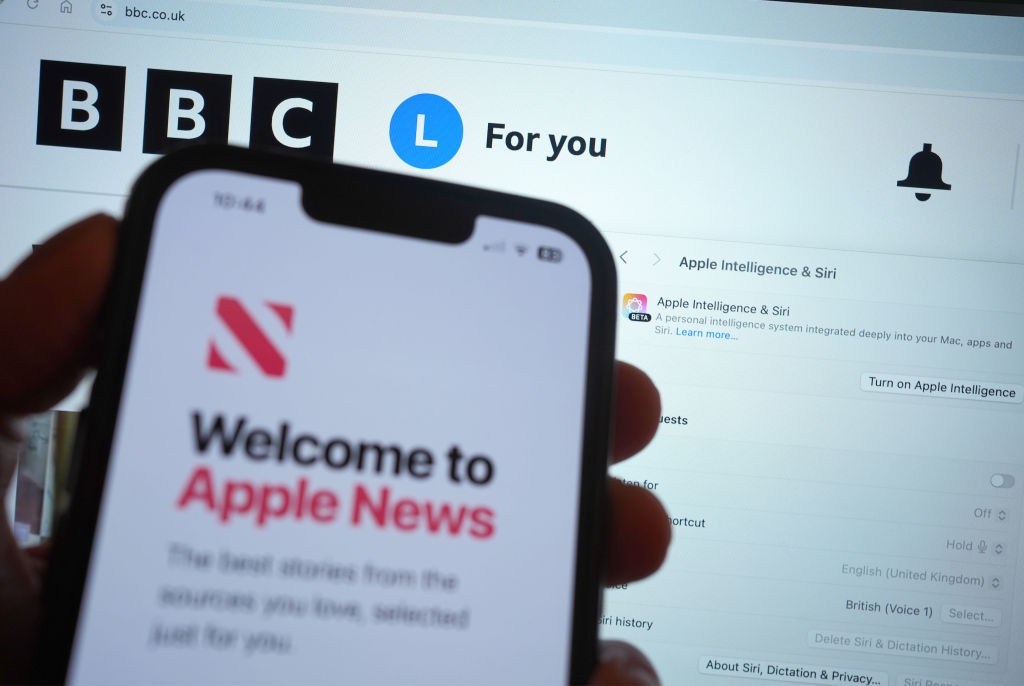
Apple Under Fire: FTC Launches Probe Into Alleged Conservative Censorship on Apple News
In a move that has sent shockwaves through Silicon Valley and Washington alike, the U.S. Federal Trade Commission (FTC) has officially opened an investigation into Apple over allegations that the tech giant is systematically suppressing conservative voices on its Apple News platform. The probe, spearheaded by FTC Chair Andrew Ferguson—a Trump appointee and outspoken critic of Big Tech—marks a significant escalation in the ongoing battle over content moderation, free speech, and political bias in the digital age.
The Spark: A Right-Leaning Think Tank’s Allegations
The controversy began when the Media Research Center (MRC), a well-known conservative think tank, published a report accusing Apple of excluding right-leaning news outlets from the top 20 articles featured in Apple News’ curated feed. According to MRC, this alleged bias represents a broader pattern of ideological censorship that undermines the platform’s promise of balanced and diverse news coverage.
Ferguson, in a sharply worded letter to Apple CEO Tim Cook, cited these reports as “serious questions” about whether Apple News is acting in accordance with its own terms of service and consumer expectations. “I abhor and condemn any attempt to censor content for ideological reasons,” Ferguson wrote, signaling that the FTC is prepared to take a hard line on the issue.
The Legal and Political Stakes
While the FTC does not have the authority to dictate Apple’s editorial decisions, Ferguson made it clear that if the company’s practices are found to be “inconsistent” with its terms of service or “reasonable expectations of consumers,” they could be in violation of the FTC Act. This opens the door to potential legal action, fines, or mandatory changes to Apple’s content curation policies.
The probe has also drawn support from other high-profile Trump allies in government. Brendan Carr, Chairman of the Federal Communications Commission (FCC), echoed Ferguson’s concerns on social media, stating, “Apple has no right to suppress conservative viewpoints in violation of the FTC Act.” Carr’s backing underscores the bipartisan—and increasingly partisan—nature of the debate over tech censorship.
Apple’s Shifting Relationship with the Trump Administration
The timing of the FTC’s investigation is particularly noteworthy given Apple’s recent efforts to mend fences with the Trump administration. Over the past year, Apple has faced criticism from Trump over its reliance on Chinese manufacturing, but the company has taken steps to address these concerns. In August 2025, Apple announced plans to invest more than $600 billion in U.S. manufacturing over the next four years, a move that has been widely seen as an olive branch to the White House.
Additionally, Apple successfully negotiated a reprieve from planned tariffs on smartphones imported from overseas, further solidifying its position as a key player in the administration’s economic agenda. The company has also made high-profile donations to Trump’s inaugural events and other political initiatives, signaling a desire to maintain a positive relationship with the government.
The Broader Context: A Year of Scrutiny for Big Tech
The FTC’s probe into Apple is part of a larger trend of increased scrutiny on Big Tech companies over their content moderation practices. Last year, the FTC launched a sweeping investigation into “censorship by tech platforms,” inviting public input from users who felt their voices had been silenced due to their political beliefs. “Tech firms should not be bullying their users,” Ferguson said at the time. “This inquiry will help the FTC better understand how these firms may have violated the law by silencing and intimidating Americans for speaking their minds.”
This investigation comes at a time when major platforms like Facebook, Twitter (now X), and YouTube have rolled back many of the measures they implemented in the years prior to Trump’s second term to combat fake news and disinformation. Critics argue that these rollbacks have created a more permissive environment for misleading or biased content, while supporters see them as a victory for free speech.
Apple’s Response—and the Road Ahead
As of now, Apple has not issued a formal response to the FTC’s letter or the allegations of conservative censorship. However, the company is likely to face intense pressure to conduct a “comprehensive review” of its content curation policies, as Ferguson has urged. This could involve revising its terms of service, increasing transparency around its editorial decisions, and potentially introducing new safeguards to ensure ideological balance on the platform.
The outcome of the FTC’s investigation could have far-reaching implications for Apple and the broader tech industry. If Apple is found to be in violation of the FTC Act, it could face significant penalties and be forced to overhaul its content moderation practices. Moreover, the probe could set a precedent for how other tech companies approach the delicate balance between free speech and responsible content curation.
Conclusion: A Defining Moment for Tech and Democracy
The FTC’s investigation into Apple is more than just a legal dispute—it is a defining moment in the ongoing debate over the role of technology in shaping public discourse. As the lines between media, technology, and politics continue to blur, the actions of companies like Apple will play an increasingly critical role in determining the future of free speech and democracy in the digital age.
For now, all eyes are on Apple as it navigates this high-stakes challenge. Whether the company will emerge as a champion of free expression or face the consequences of alleged ideological bias remains to be seen. One thing is certain: the outcome of this investigation will resonate far beyond the halls of Cupertino, shaping the future of tech, politics, and the public square for years to come.
Tags: Apple News, FTC Investigation, Conservative Censorship, Big Tech, Free Speech, Media Research Center, Andrew Ferguson, Brendan Carr, Tim Cook, Trump Administration, Content Moderation, Silicon Valley, Political Bias, Digital Democracy
Viral Sentences:
- “Apple has no right to suppress conservative viewpoints in violation of the FTC Act.”
- “Tech firms should not be bullying their users.”
- “This inquiry will help the FTC better understand how these firms may have violated the law by silencing and intimidating Americans for speaking their minds.”
- “I abhor and condemn any attempt to censor content for ideological reasons.”
- “The FTC’s investigation into Apple is more than just a legal dispute—it is a defining moment in the ongoing debate over the role of technology in shaping public discourse.”
,


Leave a Reply
Want to join the discussion?Feel free to contribute!