
US Government Seeking Volunteers to Store Nuclear Sludge
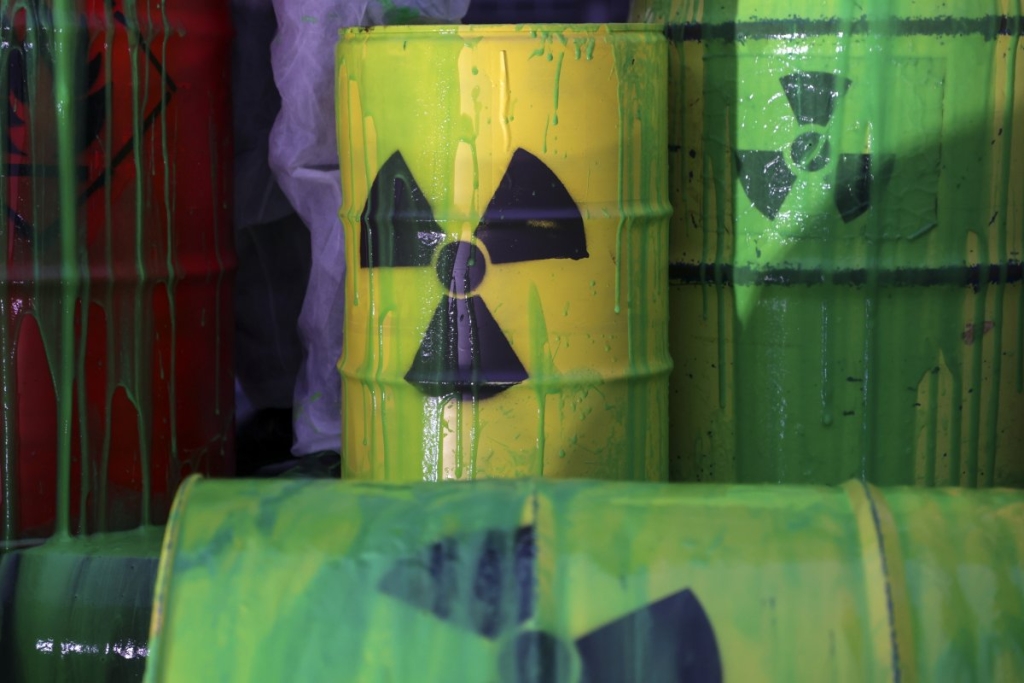
Trump Administration Seeks States to Host Permanent Nuclear Waste Repository Amid Push for Expanded Nuclear Energy
The United States faces a nuclear waste crisis that has persisted for nearly seven decades since the first civilian nuclear power plant opened in December 1957. The radioactive byproducts from nuclear energy production remain one of the most challenging environmental and security problems facing the nation, with waste that remains hazardous for thousands of years and requires secure storage that could make it a potential terrorist target.
In a bold new initiative, the Trump administration through the Department of Energy is asking individual states to volunteer to host a permanent geological repository for spent nuclear fuel rods. This comes as part of a broader Nuclear Lifecycle Innovation Campus plan that would combine waste storage with new reactor construction, uranium enrichment facilities, and thousands of potential jobs.
The proposal offers significant economic incentives to interested states, including vast investments and job creation during an era marked by widespread layoffs and economic austerity. States would essentially become permanent storage sites for the nation’s accumulated nuclear waste in exchange for becoming hubs for nuclear energy production, manufacturing, and exports.
According to Lake Barrett, a former official with the US Nuclear Regulatory Commission, the package deal represents “big carrots being placed alongside a waste facility which is less desirable.” Barrett told Reuters that states including Utah and Tennessee have already expressed interest in the proposal, with other states having 60 days to respond to the administration’s call.
This initiative aligns with President Trump’s ambitious goal to quadruple US nuclear power capacity by 2050. The administration is particularly focused on developing small modular reactors (SMRs), which are smaller, lower-footprint nuclear reactors that countries like China and Russia have already begun experimenting with successfully. However, this technology remains largely untested in the United States.
The administration is also pushing for “microreactors” – nuclear reactors small enough to be transported on truck beds. While primarily of military interest, the US Army has announced plans to bring at least one microreactor online at a military installation by summer 2026.
The nuclear waste storage proposal represents the latest attempt to solve a problem that has eluded solution for generations. Previous efforts to establish permanent waste repositories have faced decades of opposition from communities, environmental groups, and political leaders concerned about the long-term risks and lack of a proven solution for safely containing radioactive materials for the timescales required.
The success of this initiative remains uncertain as it must overcome the substantial historical resistance to nuclear waste storage facilities. The administration’s approach of coupling waste storage with economic development and energy production represents a new strategy in the ongoing effort to find a permanent solution to America’s growing nuclear waste problem.
Tags and Viral Phrases:
- Nuclear waste crisis
- Permanent geological repository
- Small modular reactors (SMRs)
- Microreactors
- Trump administration nuclear push
- States competing for nuclear facilities
- Thousands of jobs in nuclear sector
- Radioactive waste storage for thousands of years
- Economic incentives for nuclear waste
- Nuclear Lifecycle Innovation Campus
- Quadrupling nuclear power capacity by 2050
- Military microreactor deployment
- Environmental and security dilemma
- States volunteering for nuclear waste
- 60-day response window
- Utah and Tennessee interest
- Economic growth vs environmental risk
- Nuclear waste terrorist target concern
- Decades of opposition to waste storage
- Energy production and exports boost
,

Leave a Reply
Want to join the discussion?Feel free to contribute!