
US lawmakers are pushing for device-level age restriction of apps
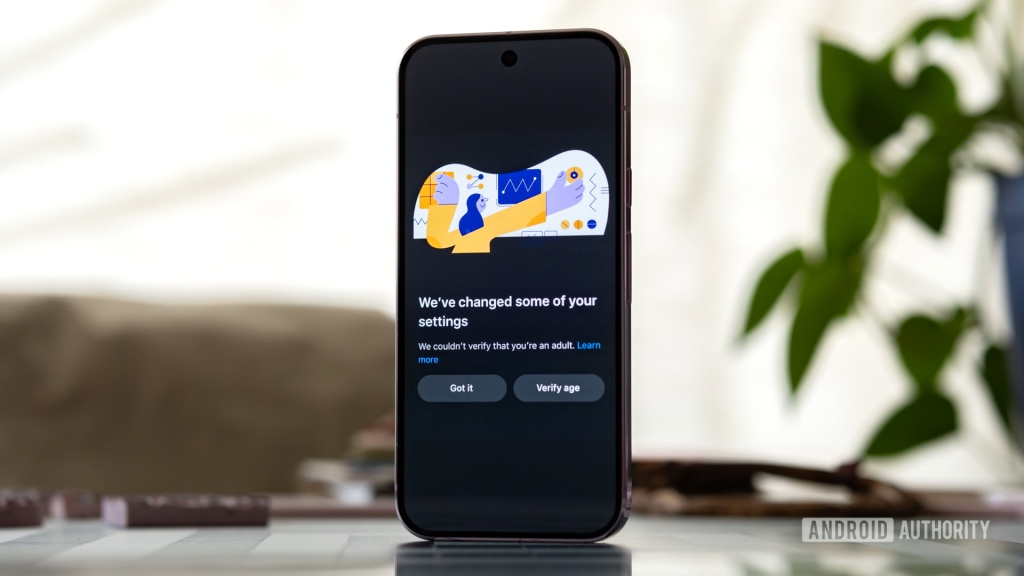
Colorado Takes Bold Step Toward Device-Level Age Verification: What It Means for Tech Users
In a move that could reshape how Americans interact with digital content, Colorado lawmakers have introduced groundbreaking legislation that would require operating system providers to verify user ages at the device level—potentially ending the era of age verification pop-ups and shifting the responsibility from individual apps to tech giants like Google, Apple, and Microsoft.
The Colorado Age Attestation Bill: A New Frontier in Digital Safety
Colorado Senator Matt Ball and Representative Amy Paschal have introduced Senate Bill 26-051, known as the Age Attestation on Computing Devices (SB26-051). This legislation represents a significant escalation in the ongoing battle between states seeking to protect minors online and tech companies resisting increased regulation.
The bill takes direct inspiration from California’s recently passed Digital Age Assurance Act (AB-1043), which will take effect in 2027. However, Colorado’s approach is notably more aggressive, targeting the operating system level rather than leaving age verification to individual applications.
How Device-Level Age Verification Would Work
Under the proposed Colorado legislation, when you set up a new smartphone, tablet, or computer, you would be required to verify your age as part of the initial device configuration process. This verification would create what lawmakers call a “digital age signal” that apps could access when determining whether to grant you access to age-restricted content.
The system is designed with privacy in mind—at least on paper. Rather than sharing your exact birthdate with every app that requests it, the operating system would categorize users into one of four age groups:
- Under 13 years old
- 13 to under 16 years old
- 16 to under 18 years old
- 18 years and above
This tiered approach aims to provide age-appropriate content filtering without requiring users to repeatedly verify their age across different applications. The bill explicitly states that operating system providers “shall not share an age signal with a third party for a purpose not required by the bill” and should share “only the minimum amount of information necessary to comply with the bill.”
The Push for Digital Protection: Why States Are Acting
The Colorado bill emerges from growing concerns about children’s exposure to inappropriate content, social media addiction, and online predators. Lawmakers argue that current age verification systems are inconsistent, easily bypassed, and place an unfair burden on individual app developers who lack the resources to implement robust verification systems.
By shifting age verification to the operating system level, legislators believe they can create a more comprehensive and difficult-to-circumvent system. The logic is straightforward: it’s much harder to fake your age when setting up an entire device than when simply downloading a single app.
Implementation Timeline and Potential Roadblocks
If passed, the Colorado age verification bill would take effect on January 1, 2028, giving tech companies nearly three years to implement the necessary changes. However, the bill’s future remains uncertain due to several factors.
First, Colorado voters could potentially derail the legislation if a referendum petition is filed within 90 days of the General Assembly adjourning. This democratic safeguard means that even if lawmakers approve the bill, citizens could force a public vote on the measure.
Second, the bill faces significant technical and constitutional challenges. Tech industry lobbyists are likely to argue that device-level age verification violates user privacy, creates security vulnerabilities, and could be unconstitutional under various legal precedents protecting digital rights.
Critical Gaps and Potential Workarounds
Despite its ambitious scope, the Colorado bill contains notable loopholes that critics argue could render it ineffective. Most significantly, the legislation applies only to apps, not websites. This means that while app stores and mobile applications would need to comply with age verification requirements, web browsers and online platforms would remain exempt.
This limitation creates a significant workaround for tech-savvy minors. A teenager prevented from downloading a social media app due to age restrictions could still access the same platform through a web browser, effectively nullifying the bill’s protections for a substantial portion of online activity.
Additionally, the bill doesn’t specify how age verification would actually work. It merely requires that “account holders must indicate date of birth or age of the user,” leaving the door open for simple dishonesty. A parent setting up a device for their child could easily input false information, undermining the entire verification system.
Industry Impact and Tech Company Response
If implemented, this legislation would force major operating system providers to fundamentally rethink their device setup processes and data-sharing protocols. Companies like Google, Apple, and Microsoft would need to:
- Develop secure age verification systems integrated into their operating systems
- Create APIs that allow apps to access age category information without exposing sensitive personal data
- Implement robust privacy protections to prevent misuse of age verification data
- Potentially redesign their app stores and content distribution systems
The financial and technical burden of compliance could be substantial, particularly for smaller operating system providers or those in emerging markets. Industry groups are likely to mount significant opposition, arguing that the costs and complexity of implementation far outweigh the benefits.
Privacy Concerns and Data Security Implications
Privacy advocates have already raised alarms about the potential for government-mandated age verification to create new surveillance capabilities and data collection practices. While the bill attempts to limit data sharing, critics argue that creating a system that categorizes users by age at the operating system level inherently creates privacy risks.
There are concerns about what happens if this age verification data is hacked, misused, or shared beyond its intended purpose. Additionally, some argue that the bill could disproportionately impact marginalized communities who may face additional scrutiny or barriers when attempting to verify their age.
The Broader Context: America’s Digital Age Verification Push
Colorado’s bill is part of a larger trend of states taking aggressive action to regulate online content and protect minors in the digital space. Similar legislation has been proposed or enacted in multiple states, creating a patchwork of regulations that tech companies argue is impossible to navigate consistently.
This state-by-state approach has led some industry advocates to call for federal legislation that would create uniform standards for age verification and online safety. However, the highly polarized nature of American politics makes federal action on tech regulation unlikely in the near term.
What Happens Next
The Colorado Age Attestation bill will now move through the state’s legislative process, facing committee hearings, potential amendments, and votes in both the Senate and House of Representatives. The outcome will depend on various factors, including lobbying efforts, public opinion, and the political climate in Colorado.
If passed, the bill’s 2028 implementation date provides a clear timeline for tech companies to prepare, but also leaves room for potential legal challenges or further legislative modifications. The referendum option adds another layer of uncertainty, as public sentiment could ultimately determine the bill’s fate.
The Future of Digital Age Verification
Regardless of whether Colorado’s specific legislation succeeds, the push for more robust age verification systems appears likely to continue. As concerns about children’s online safety grow and states seek to assert greater control over digital content, tech companies will face increasing pressure to implement age-appropriate safeguards.
The challenge moving forward will be balancing the legitimate goal of protecting minors with respect for user privacy, constitutional rights, and the practical realities of implementing complex technical systems across diverse devices and platforms.
Colorado’s bold experiment with device-level age verification may well serve as a template for other states—or as a cautionary tale about the difficulties of regulating the digital world through traditional legislative means.
Tags & Viral Phrases:
ColoradoAgeVerification #TechRegulation #DigitalPrivacy #OnlineSafety #AgeVerification #ColoradoLegislation #TechPolicy #DigitalRights #AppRegulation #OnlineProtection #DeviceLevelVerification #TechLaw #PrivacyConcerns #SocialMediaRegulation #DigitalAge #TechGiants #OperatingSystemChanges #OnlineSafetyMeasures #AgeVerificationControversy #ColoradoTechNews #ViralTechPolicy #DigitalProtection #TechCompliance #AgeVerificationDebate #ColoradoPolitics #TechRegulation2025 #DigitalSafety #OnlineAgeVerification #TechLegislation #PrivacyVsProtection #ViralNewsTech #DigitalAgeSignal #TechIndustryImpact #AgeVerificationSystem #ColoradoDigitalPolicy #TechPrivacyConcerns #OnlineContentRegulation #DeviceSetupChanges #TechLegalBattle #AgeVerificationImplementation #ColoradoTechFuture #DigitalContentControl #TechCompanyResponse #AgeVerificationChallenges #OnlineSafetyLegislation #TechPolicyDebate #DigitalProtectionMeasures #AgeVerificationPrivacy #TechRegulationImpact #ColoradoDigitalFuture
,


Leave a Reply
Want to join the discussion?Feel free to contribute!