
US Solar Surged 35% in 2025, Overtaking Hydro for the First Time
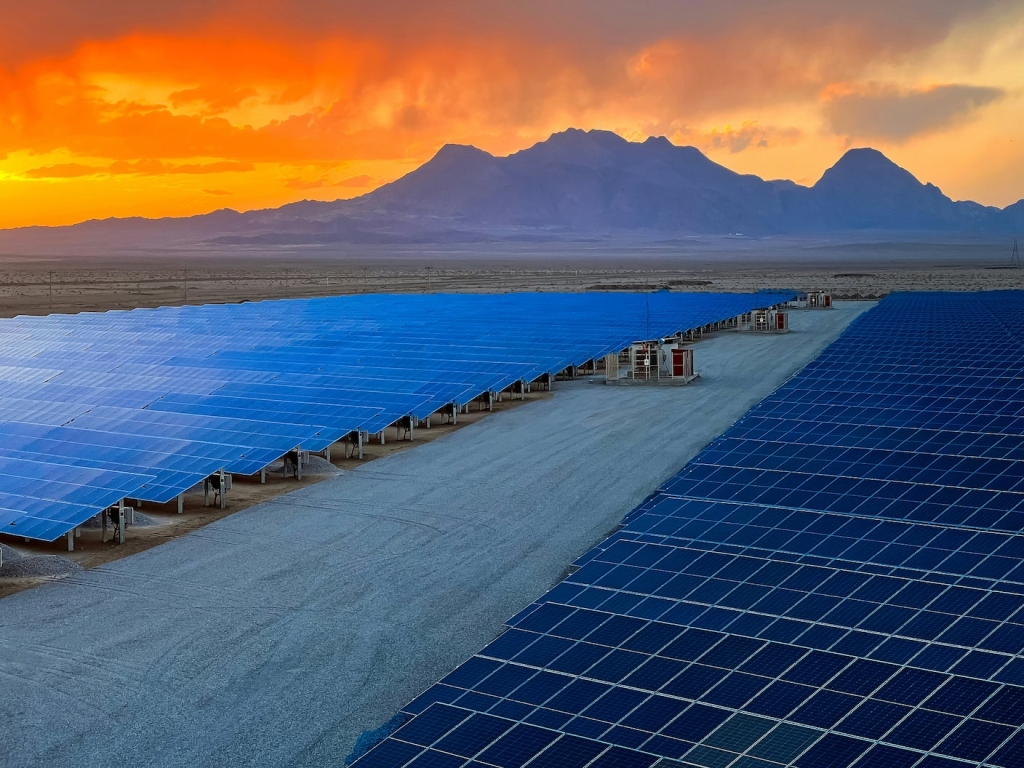
Solar Power Shatters Records in 2025, Overtaking Hydro for the First Time as US Energy Demand Surges
In a dramatic shift for America’s power grid, solar energy has vaulted past hydroelectric power to become the leading renewable electricity source in the United States, according to newly released federal data. The surge comes as the nation grapples with a surprising revival in electricity consumption—the first significant increase in decades—driven by industrial expansion and the explosive growth of energy-hungry AI data centers.
The numbers tell a compelling story: US electricity consumption jumped 2.8 percent in 2025, marking a sharp reversal from years of relatively flat demand. While this additional power came from various sources, solar emerged as the undisputed growth champion, expanding by an astonishing 35 percent year-over-year. This meteoric rise was fueled by the addition of 27 gigawatts of new solar capacity across the country, pushing total solar generation above hydroelectric power for the first time in annual output.
The implications are profound. Solar’s explosive growth added approximately 85 terawatt-hours of clean electricity to the grid—enough to power millions of homes—and met roughly two-thirds of the increased energy demand. When combined with wind power, which grew by a respectable 2.8 percent, these renewable sources satisfied an impressive 73 percent of new electricity needs.
However, the transition to cleaner energy faces significant headwinds. The remaining demand was largely met by a 13 percent surge in coal power generation—a troubling reversal of coal’s long decline in the US energy mix. This coal renaissance stems from a perfect storm of challenges facing natural gas, traditionally the preferred fossil fuel. The Trump administration’s tariff policies have made gas power plant equipment more expensive and harder to source, while rapid expansion in gas exports has created fierce competition for domestic fuel supplies. The result: gas generation actually declined by 3.3 percent last year, making coal an increasingly attractive option for utilities.
Despite these setbacks, the outlook for renewables remains remarkably bright. The Energy Information Administration projects that 2026 could be an even bigger year for solar, with approximately 43 gigawatts of utility-scale capacity already planned or under construction. Texas, Arizona, California, and Michigan are leading this charge, accounting for more than half of new installations. Wind power is also poised for significant expansion, with planned additions of 11.8 gigawatts potentially doubling its growth rate. New Mexico, Texas, Illinois, and Wyoming will host the majority of these new wind facilities.
Supporting this renewable revolution is another record-breaking year for battery storage. In 2025, the industry added an unprecedented 15 gigawatts of storage capacity to the grid, with plans for another 24 gigawatts in 2026. Texas, California, and Arizona are once again at the forefront, accounting for 80 percent of planned storage additions. This massive buildout of energy storage is crucial for managing the intermittent nature of solar and wind power, ensuring that clean energy can be dispatched when needed most.
The broader context reveals a nation in the midst of a profound energy transition. While fossil fuels still accounted for 58 percent of total US electricity generation in 2025, the trajectory is clear. Solar and wind are not just growing—they’re meeting the majority of new demand, effectively displacing fossil fuel growth rather than simply adding to it. This dynamic suggests that the US energy system could look dramatically different within the next decade.
The convergence of factors driving this transformation is remarkable: technological advances have made solar and wind the cheapest forms of new electricity generation in most of the country; policy support at state and local levels continues to accelerate deployment; and growing corporate and institutional demand for clean energy is creating new market opportunities. Meanwhile, the challenges facing fossil fuels—from environmental regulations to market volatility to supply chain constraints—are becoming increasingly difficult to overcome.
As America’s power grid evolves at breakneck speed, one thing is certain: the era of renewable energy dominance has arrived. Solar’s ascent past hydro represents more than just a statistical milestone—it’s a clear signal that the clean energy transition is no longer a distant possibility but a present reality, reshaping how America powers its homes, businesses, and the data centers that increasingly define our digital age.
Tags
Solar power growth 2025, renewable energy records, US electricity demand surge, AI data centers energy consumption, coal power revival, natural gas challenges, battery storage expansion, energy transition underway, solar overtakes hydro, wind power growth, clean energy future, US power grid transformation, 27 gigawatts solar capacity, 43 gigawatts planned solar, energy storage records, fossil fuel decline, renewable energy dominance
Viral Phrases
Solar just beat hydro for the first time ever
America’s power grid is changing faster than anyone predicted
AI data centers are driving a new electricity boom
Coal makes an unexpected comeback in 2025
Natural gas is losing its grip on US power generation
Battery storage hits record levels as renewables surge
Texas, Arizona, and California lead the solar revolution
The clean energy transition is happening now, not tomorrow
Solar and wind met 73% of new US electricity demand
America added enough solar to power millions of homes
The era of renewable energy dominance has arrived
,


Leave a Reply
Want to join the discussion?Feel free to contribute!