
USB Driver For Google Tensor SoCs, UCSI Thunderbolt Alt Mode In Linux 7.0
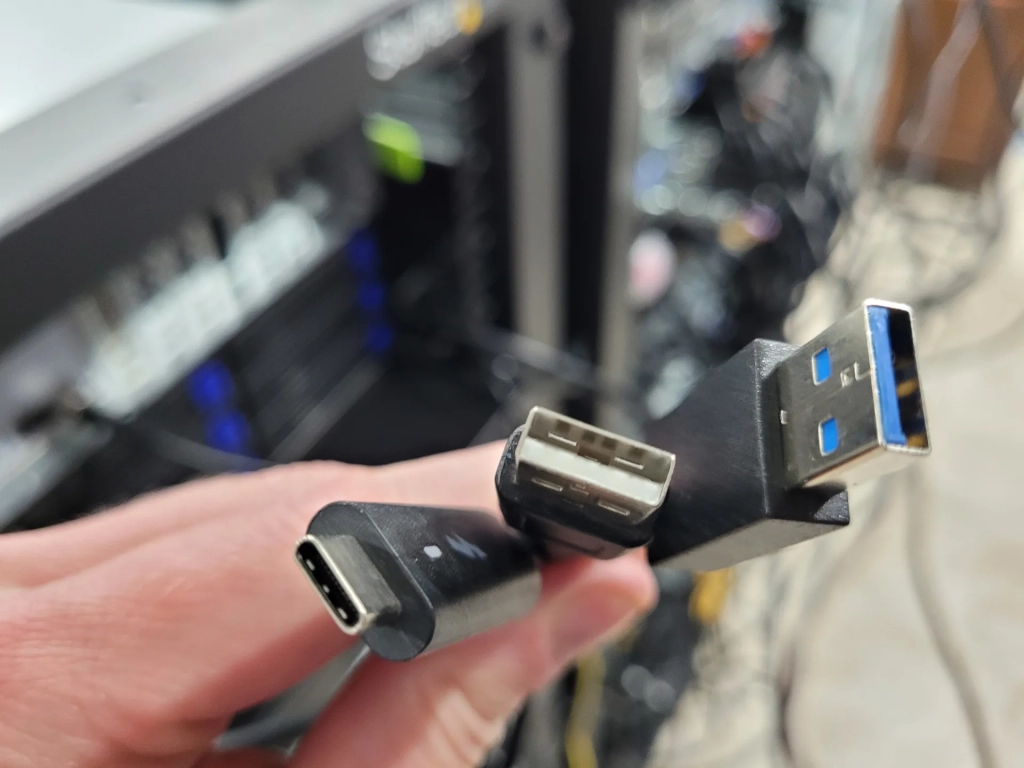
Linux 7.0 Unleashes Groundbreaking USB and Thunderbolt Enhancements
The Linux kernel’s latest milestone, version 7.0, has officially closed its merge window, bringing a wave of transformative changes to USB and Thunderbolt technologies. This release marks a pivotal moment for hardware compatibility, performance, and innovation, with a particular focus on expanding support for cutting-edge devices and architectures.
Google Tensor SoC Gets Native USB Support
One of the most significant additions in Linux 7.0 is the introduction of a Google Tensor SoC glue driver, which builds upon the widely-used Synopsys DesignWare USB 3 (DWC3) controller driver. This enhancement enables seamless USB functionality for devices powered by Google’s Tensor SoCs, a critical step forward for the growing ecosystem of Tensor-based hardware. The integration of this driver is part of a broader effort to upstream Google Tensor SoC support into the mainline kernel, ensuring long-term stability and compatibility.
Expanding Hardware Compatibility
Linux 7.0 doesn’t stop at Google Tensor. The USB pull request introduces support for a diverse range of hardware, including:
- Microchip LAN969x: Enhanced networking capabilities for Microchip’s LAN969x Ethernet controllers.
- Renesas RZ/G3E SoC: Improved USB support for Renesas’s RZ/G3E System-on-Chip, catering to industrial and embedded applications.
- ASpeed AST2700: Integration of ASpeed’s AST2700 BMC (Baseboard Management Controller) into the aspeed-vhub driver, bolstering server and data center management.
- Socionext Uniphier DWC3: Support for Socionext’s Uniphier DWC3 controller, further broadening the kernel’s reach across ARM-based platforms.
These additions underscore Linux’s commitment to supporting a wide array of hardware, from consumer devices to enterprise-grade systems.
Thunderbolt Alternate Mode Support
In a move that excites power users and professionals alike, Linux 7.0 introduces Thunderbolt Alternate Mode (Alt Mode) support to the UCSI (USB Type-C Connector System Software Interface) driver. This feature enables Thunderbolt devices to leverage USB Type-C connectors, paving the way for faster data transfer, improved video output, and enhanced power delivery. The inclusion of Alt Mode support is a testament to Linux’s ability to keep pace with the latest advancements in connectivity technology.
Rust Takes Center Stage
For developers and enthusiasts exploring modern programming paradigms, Linux 7.0 brings updates to USB Rust bindings. These changes focus on syntax and formatting improvements, making it easier to write USB drivers in Rust—a language celebrated for its safety and performance. This move aligns with the broader trend of integrating Rust into the Linux kernel, signaling a shift toward more secure and maintainable codebases.
A Kernel for the Future
The USB and Thunderbolt enhancements in Linux 7.0 are more than just incremental updates; they represent a strategic push toward future-proofing the kernel. By supporting emerging hardware like Google Tensor SoCs and enabling cutting-edge features like Thunderbolt Alt Mode, Linux continues to solidify its position as the backbone of modern computing.
For those eager to dive deeper into the technical details, the full USB pull request is available here.
Tags & Viral Phrases:
Linux 7.0, USB 3.0, Google Tensor SoC, Thunderbolt Alt Mode, UCSI driver, Synopsys DesignWare, Renesas RZ/G3E, ASpeed AST2700, Socionext Uniphier, Microchip LAN969x, Rust bindings, kernel development, hardware compatibility, open-source innovation, cutting-edge technology, future-proofing, connectivity advancements, embedded systems, server management, data center optimization, ARM architecture, secure coding, performance enhancements, tech enthusiasts, power users, enterprise solutions, mainline kernel, upstreaming, hardware support, modern computing, kernel merge window.
,

Leave a Reply
Want to join the discussion?Feel free to contribute!