
Using lived experience to address the digital accessibility gap
The Unseen Revolution: How One Man is Changing the Accessibility Tech Landscape
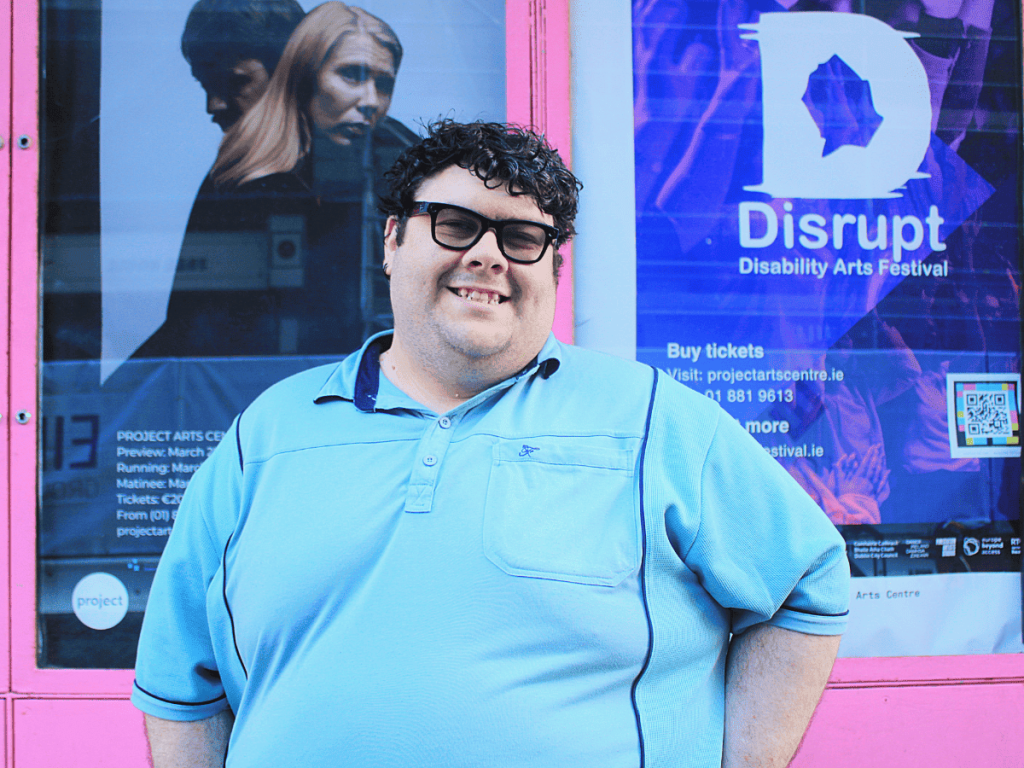
In a bustling Dublin arts center, Patrick Fitzgerald sits quietly, his Meta Ray-Ban glasses perched on his nose, ready to transform another life. But don’t call him a teacher—he’s a coach, and he’s on a mission to bridge the accessibility technology gap that affects millions.
The statistics are staggering: approximately 22% of Ireland’s population—roughly 1.1 million people—live with disabilities that could benefit from assistive technology (AT). Yet, as Fitzgerald knows all too well, having access to these tools is only half the battle. The real challenge lies in adoption, confidence, and the willingness to embrace technology that could fundamentally change lives.
The Human Side of Technology
Fitzgerald’s journey is deeply personal. Growing up in Walkinstown, Dublin, he attended St John of God School Islandbridge before joining the charity’s day services. Like many with disabilities, he faced significant communication barriers—until his late teens when he discovered assistive technology. “It completely caught me out,” he recalls with a smile. “I wanted to challenge myself, and then I got used to it, and then I wanted to show other people, friends and family.”
Today, Fitzgerald is more than just a user of AT; he’s a digi-coach, co-designer, and advocate. He works with St John of God Liffey Services, where he once learned to use AT himself, now helping others navigate the digital world. His toolkit includes everything from screen readers and ChatGPT to Osmo, a hands-on learning tool that uses computer vision to interact with physical objects, helping with literacy and problem-solving.
The Systemic Challenge
The barriers to AT adoption extend far beyond individual hesitation. Ireland’s National Disability Authority reports that websites in the country score an average of only 55.2% on accessibility evaluations, with color contrasts, text alternatives, and file types being major pain points. Globally, a shocking 96% of websites fail to meet basic accessibility standards.
The disability employment rate in Ireland hovers just above 32%, nearly 20 percentage points lower than the EU average of 51.3%. Among disabled people over 15 who have ceased their education, 14.4% only completed primary level education—nearly double the 7.4% rate for the general population.
Building Confidence, One Click at a Time
Fitzgerald’s approach is refreshingly simple: demystify technology. He works directly with schools, showing staff and students that these tools aren’t intimidating—they’re empowering. “No one knows about these tools, so that’s why we get trained up,” he explains. Even common platforms like Microsoft Teams have accessibility features that many users never discover.
His work extends beyond individual coaching. Fitzgerald collaborates with developers to ensure accessibility is built into tools from the ground up. He participated in the Carlow Arts Festival as a co-designer and facilitates workshops discussing accessibility barriers. St John of God has been co-designing websites with Technological University Dublin’s computer science students for a decade, creating a pipeline of inclusive design thinking.
The Economic Reality
While the Irish government offers several schemes to support AT adoption—including the HSE Aids and Appliances Scheme, the Disability Services Budget, and the Assistive Technology Grant for schools—there’s no standalone budget for digital assistive technology. This makes it challenging to track exactly how much funding is allocated toward digital inclusion.
The gap isn’t just about access; it’s about awareness, confidence, training, and whether technology is designed with diverse needs in mind. Many people are hesitant to use new technology because they lack support in learning to use it safely and confidently. Some staff members are “terrified that something will come up” with new tools, Fitzgerald notes.
The Future is Inclusive
Fitzgerald isn’t working in isolation. Ireland’s startup ecosystem is beginning to recognize the importance of digital accessibility. Companies like Nexus Inclusion, founded by Kyran O’Mahoney, work alongside businesses to improve digital accessibility. Accessibility startup DevAlly enables businesses to audit and fix accessibility issues without requiring specialized expertise or outsourcing.
The Disability Federation of Ireland reports that only 12.4% of new entrants to higher education in 2020 were students with disabilities, highlighting the work still needed to create truly inclusive educational environments.
A Coach’s Impact
As our conversation winds down, Fitzgerald’s passion is evident. He’s not just teaching people how to use technology; he’s showing them that they can be independent, confident, and capable. “Looking back, it was very hard for me to communicate without AT,” he reflects. “It was hard with no technology and skills… no one there to support me with reading or writing or speech.”
Now, as a 30-year-old digi-coach, he’s become that support for others. His work with Fighting Blindness, which employs six digi-coaches to help with their cause, demonstrates the growing recognition of AT coaching as a vital service.
The revolution Fitzgerald is leading isn’t about flashy technology or groundbreaking innovations—it’s about making existing tools accessible to those who need them most. It’s about showing someone that they can send an email independently, that they can participate in a video call, that they can express themselves through digital means.
In a world where 96% of websites remain inaccessible and millions lack the confidence to use available tools, Patrick Fitzgerald’s work represents a quiet but powerful transformation. He’s not just teaching technology; he’s teaching possibility.
Tags:
assistive technology, accessibility, digital inclusion, disability rights, AT adoption, digi-coach, inclusive design, screen readers, Meta Ray-Ban glasses, Osmo, St John of God, Fighting Blindness, Nexus Inclusion, DevAlly, disability employment, digital accessibility, AT coaching, inclusive technology
Viral Sentences:
“Technology caught me out, and now I want to show others what’s possible”
“The gap isn’t just about access, it’s about awareness, confidence, and training”
“No one knows about these tools, so that’s why we get trained up”
“I wanted to challenge myself, and then I got used to it”
“Some staff members are terrified that something will come up”
“It was very hard for me to communicate without AT”
“Patrick is demystifying technology because he’s going in and showing staff this is easy”
“We’re not teachers, we’re coaches”
“The revolution isn’t about flashy technology, it’s about making existing tools accessible”
“96% of websites fail to meet basic accessibility standards”
“The disability employment rate in Ireland is just upwards of 32%”
“Only 12.4% of new entrants to higher education in 2020 were students with disabilities”
“Looking back, it was very hard for me to communicate without AT”
“I wasn’t wary of AT, I wanted to challenge myself”
“Now I want to show other people, friends and family”
“The gap isn’t just about access, it’s about awareness, confidence, training”
“People can be hesitant to use new technology because of a lack of support”
“Technology completely caught me out”
“Assistive technology isn’t just a tool, it’s a pathway to independence”
,


Leave a Reply
Want to join the discussion?Feel free to contribute!