
Valve doesn’t sound confident the Steam Machine will ship in 2026
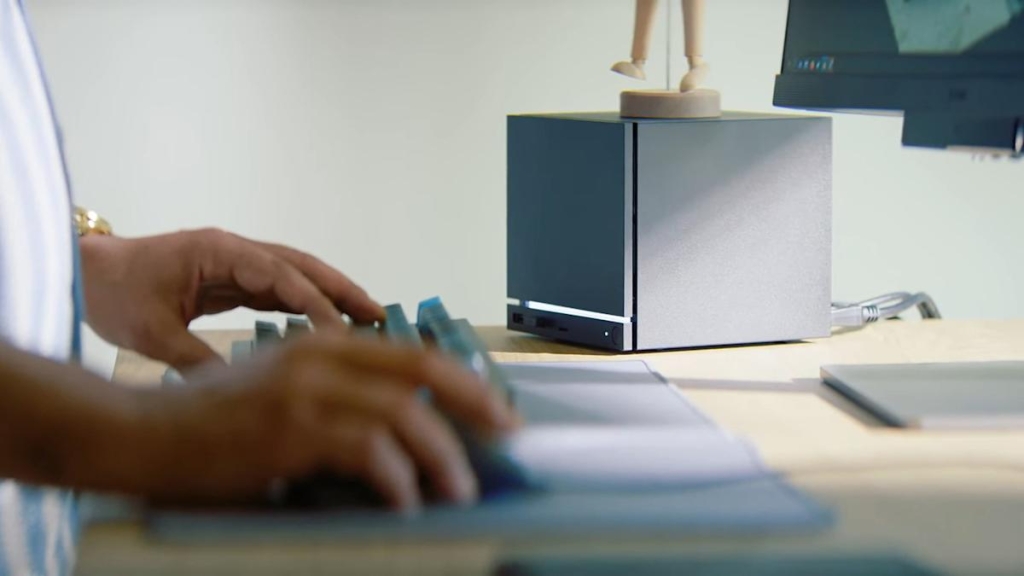
Valve’s Hardware Dreams Dashed? Steam Machine, Steam Controller, and Steam Frame May Miss 2026 Launch
In a surprising turn of events that has sent shockwaves through the gaming community, Valve Corporation has significantly scaled back expectations for its much-anticipated hardware lineup. What was once positioned as a triumphant return to gaming hardware has now become a cautionary tale about the harsh realities of global supply chain constraints.
From Certainty to Uncertainty: A Timeline of Disappointment
Just months ago, Valve was confidently projecting a launch window for its trio of hardware innovations. In February, the company acknowledged memory and storage shortages had created delays but maintained a hopeful stance: “Our goal of shipping all three products in the first half of the year has not changed.”
That window, admittedly broad, at least provided a target. Now, in the company’s comprehensive Year in Review blog, Valve has dramatically shifted its language, suggesting the possibility that none of these products might see the light of day in 2026 at all.
“We hope to ship in 2026, but as we shared recently, memory and storage shortages have created challenges for us,” Valve wrote. “We’ll share updates publicly when we finalize our plans!”
The change in tone is unmistakable. Gone is the specificity of a launch window. Gone is the confidence in meeting even a broad timeline. In its place stands a vague hopefulness that reads more like corporate hedging than genuine optimism.
The Perfect Storm of Supply Chain Chaos
Valve’s predicament reflects a broader crisis affecting the entire technology industry. HP recently revealed that RAM now accounts for more than a third of its PC production costs—a staggering figure that illustrates how dramatically component pricing has shifted. Industry analysts warn that these shortages could fundamentally reshape the PC landscape, forcing companies to raise prices or delay products indefinitely.
For Valve, the challenges are particularly acute. The company already struggles to maintain Steam Deck availability, with the popular handheld console frequently going out of stock due to memory and storage procurement difficulties. Sourcing components for three entirely new hardware categories—each with potentially different specifications and requirements—represents a monumental escalation of these existing challenges.
What’s at Stake: The Holy Trinity of Valve Hardware
The products in question represent Valve’s most ambitious hardware push since the Steam Machine’s initial launch years ago:
The Steam Machine promises to be a premium living room gaming PC, designed to bring the power and flexibility of PC gaming to the comfort of your couch. With custom specifications optimized for SteamOS and living room use, it represents Valve’s vision for the future of console gaming.
The Steam Controller aims to bridge the gap between traditional gamepads and the precision of mouse and keyboard control. Featuring dual trackpads, customizable haptics, and an innovative button layout, it’s designed specifically for the unique demands of PC gaming on television screens.
The Steam Frame represents Valve’s entry into the increasingly competitive virtual reality market. As a standalone VR headset, it would compete with offerings from Meta, Sony, and other major players, potentially leveraging Valve’s strong relationships with game developers to create compelling content.
Each product addresses a specific gap in Valve’s ecosystem, and together they could create a comprehensive gaming platform that spans handheld, living room, and immersive experiences.
The Market Reality Check
The timing of these delays couldn’t be worse for Valve. The gaming hardware market is more competitive than ever, with major players like Sony, Microsoft, Meta, and Nintendo all vying for consumer attention and dollars. Every month of delay allows competitors to strengthen their positions and capture market share that Valve might have claimed.
Moreover, the memory and storage shortages affecting Valve are likely to persist throughout 2026. Industry experts suggest that while some improvement may occur, the fundamental imbalance between supply and demand for these critical components will continue to create challenges for manufacturers across all sectors.
Consumer Sentiment: From Excitement to Frustration
The gaming community’s reaction to Valve’s updated timeline has been mixed, though predominantly leaning toward disappointment. Many had been eagerly anticipating the chance to purchase these products, viewing them as potential game-changers in their respective categories.
The Steam Machine, in particular, generated significant buzz among PC gaming enthusiasts who have long desired a premium, purpose-built living room gaming solution. The Steam Controller’s innovative design appealed to players seeking alternatives to traditional gamepads. And the Steam Frame’s potential to leverage Valve’s strong developer relationships made it one of the most intriguing VR prospects on the horizon.
Now, all of that anticipation hangs in limbo, with consumers left wondering whether these products will ever materialize—and if they do, whether they’ll arrive with specifications that have been overtaken by more recent technological advances.
Looking Ahead: What Comes Next?
Valve’s commitment to eventually shipping these products remains, but the timeline has become so fluid that it’s difficult to make any concrete predictions. The company’s history of secrecy and delayed announcements makes it challenging to read between the lines of their carefully worded statements.
What seems clear is that Valve faces a difficult decision: push forward with compromised specifications and potentially inflated prices due to component costs, or delay until the supply chain stabilizes and risk losing momentum and market interest.
The company’s next steps will likely depend on how the memory and storage markets evolve throughout 2026. If shortages begin to ease by mid-year, we might see a renewed push to finalize and launch the hardware lineup. If not, 2026 could pass without any of these products reaching consumers, pushing their potential release into an increasingly uncertain future.
Industry Implications
Valve’s hardware delays highlight a broader truth about the technology industry in 2025: even companies with deep pockets and strong brand recognition are not immune to global supply chain disruptions. This reality check may force other hardware manufacturers to reassess their own timelines and expectations.
For consumers, it serves as a reminder that the shiny new products showcased at trade shows and in corporate presentations may face significant hurdles before reaching store shelves. The gap between announcement and availability has grown wider across the industry, and Valve’s experience suggests that even established companies must now contend with unprecedented uncertainty in their product development cycles.
The Waiting Game Continues
As Valve works behind the scenes to navigate these challenges, the gaming community waits with bated breath. Will 2026 finally see the arrival of these innovative hardware products? Or will supply chain constraints force Valve to push their launch into the increasingly distant future?
One thing is certain: when Valve does provide updates, they’ll be scrutinized intensely by an audience that has grown increasingly skeptical of promises in an era of persistent hardware shortages. The company’s next announcement could make or break consumer confidence in its hardware ambitions.
For now, all we can do is watch, wait, and hope that Valve’s “hope to ship in 2026” transforms into something more concrete before the year slips away.
tags: #Valve #SteamMachine #SteamController #SteamFrame #GamingHardware #SupplyChainCrisis #TechDelays #GamingNews #PCGaming #VirtualReality #SteamOS
viral_sentences: Valve’s hardware dreams dashed by memory crisis, Steam Machine delayed indefinitely, Gaming community reels as Valve pushes back all hardware launches, Supply chain chaos forces Valve to reconsider 2026 plans, Steam Frame VR headset’s future uncertain amid component shortages, Steam Controller innovation on hold as memory crisis deepens, HP reveals RAM now costs third of PC production, Industry analysts warn PC market facing radical transformation, Steam Deck availability already suffering from memory shortages, Valve’s secrecy leaves fans guessing about hardware future, Gaming hardware timeline becomes increasingly fluid across industry, Component costs soaring as demand outstrips supply globally, Valve’s ambitious hardware lineup caught in perfect storm, Living room gaming PC dreams deferred by market realities, VR headset competition intensifies as Valve falls behind schedule, Dual trackpad controller design brilliance trapped in limbo, Memory and storage shortages reshaping tech landscape, Valve’s Year in Review reveals stark reality check, Gaming community patience wearing thin with repeated delays, Supply chain recovery timeline remains stubbornly uncertain
,

Leave a Reply
Want to join the discussion?Feel free to contribute!