
Variable aperture camera will give iPhone 18 Pro users more photo options
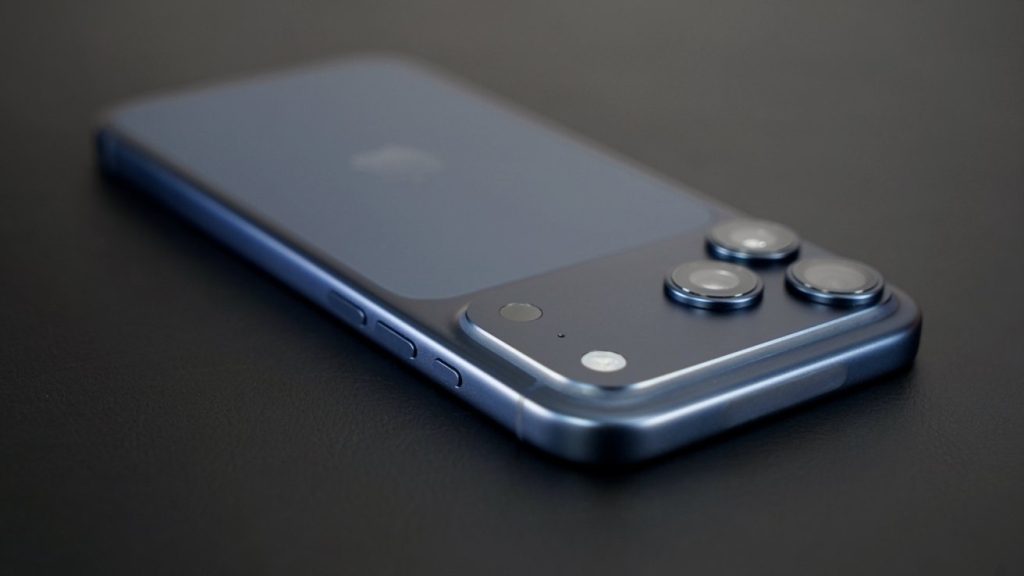
Apple Testing Variable Aperture for iPhone 18 Pro Camera, Promising Unprecedented Photographic Control
In a development that could dramatically reshape mobile photography, Apple is reportedly testing a variable aperture system for the iPhone 18 Pro’s main camera, according to a leak from Chinese social media platform Weibo. The revelation, shared by prominent tipster “Digital Chat Station,” suggests that Apple is exploring ways to give iPhone photographers unprecedented control over depth of field and low-light performance—capabilities that have traditionally been the exclusive domain of professional DSLR and mirrorless cameras.
The variable aperture technology, if implemented, would allow users to physically adjust the size of the lens opening, controlling how much light enters the camera sensor. This mechanical innovation would mark a significant departure from Apple’s current fixed-aperture approach, where the camera’s iris remains constant regardless of shooting conditions.
Understanding the Technical Breakthrough
A variable aperture system works by using a series of overlapping blades that can expand or contract to create different-sized openings. When the aperture is wide open (represented by a lower f-number like f/1.5), more light reaches the sensor, enabling better performance in dim conditions and creating that coveted shallow depth of field effect where subjects pop against beautifully blurred backgrounds. Conversely, a smaller aperture (higher f-number like f/4.0) increases the depth of field, keeping more of the scene in sharp focus—ideal for landscape photography or group shots.
For context, the current iPhone 16 Pro series features a fixed f/1.78 aperture on its main camera. The ability to adjust this dynamically would give photographers granular control over their creative vision, allowing them to fine-tune bokeh effects, manage exposure in challenging lighting, and achieve sharper results across different shooting scenarios.
Strategic Timing and Manufacturing Considerations
The leak suggests that while testing is underway, the variable aperture feature might not debut until later in 2026 rather than with the initial iPhone 18 Pro launch in September. This staggered rollout strategy could serve multiple purposes for Apple.
First, it allows the company to perfect the manufacturing process for this complex mechanical component. Variable aperture systems require precision engineering and must withstand the rigors of daily use while maintaining water and dust resistance—a hallmark of modern iPhones. Apple may be using the initial iPhone 18 Pro launch to establish baseline production volumes before introducing the more complex variable aperture variant.
Second, a mid-cycle introduction could generate renewed consumer interest and media coverage for the iPhone 18 Pro lineup, effectively creating a “second launch” that extends the product’s market relevance. This strategy mirrors Apple’s approach with other technologies, such as the gradual rollout of advanced computational photography features through software updates.
The Telephoto Camera Enhancement
Beyond the variable aperture main camera, the leak also mentions Apple testing a larger-aperture telephoto camera. The telephoto lens, which enables optical zoom capabilities, currently features a relatively modest aperture that can limit its performance in low-light conditions. A larger maximum aperture would significantly improve the telephoto camera’s versatility, allowing for better indoor event photography, evening portraits, and overall improved image quality when zooming in on distant subjects.
The combination of a variable aperture main camera and an enhanced telephoto system would create a remarkably flexible photography toolkit within a single device. Photographers could seamlessly transition between wide-angle environmental shots with controlled depth of field and detailed zoomed-in captures, all while maintaining optimal exposure and image quality.
Design Implications and Engineering Challenges
The current iPhone 17 Pro already features a wider camera plateau compared to its predecessors, which could feasibly accommodate the additional mechanical complexity of a variable aperture system. The expanded camera module housing provides more internal space for the iris mechanism and associated motors that would control aperture adjustment.
However, integrating moving parts into a smartphone camera presents significant engineering challenges. The system must be:
- Durable: Capable of surviving tens of thousands of aperture adjustments over the device’s lifetime
- Water-resistant: Maintaining IP68 certification despite the mechanical components
- Fast: Adjusting aperture quickly enough to keep pace with Apple’s renowned camera responsiveness
- Energy-efficient: Operating without significantly impacting battery life
- Compact: Fitting within the slim profile that users expect from an iPhone
Apple’s expertise in miniaturization and materials science will be crucial in overcoming these hurdles. The company has a track record of successfully integrating complex technologies into slim devices, from the triple-camera system in the iPhone 11 Pro to the periscope telephoto lens rumored for future models.
Competitive Landscape and Market Positioning
If Apple proceeds with variable aperture technology, it would represent a significant competitive advantage in the premium smartphone market. While competitors like Samsung and Google have focused heavily on computational photography and AI-enhanced imaging, Apple’s potential move toward mechanical innovation could differentiate the iPhone 18 Pro in meaningful ways.
The variable aperture system would particularly appeal to photography enthusiasts and semi-professionals who have traditionally favored dedicated cameras for their creative control. By bringing this capability to a smartphone, Apple could further blur the lines between mobile and professional photography, potentially accelerating the trend of smartphones replacing traditional cameras for many use cases.
Photographic Applications and Creative Possibilities
The creative implications of variable aperture control are substantial. Photographers could:
- Master portrait photography: Precisely control background blur to achieve professional-looking portraits with subject isolation
- Excel in landscape photography: Use smaller apertures to ensure maximum depth of field for sharp foreground-to-background images
- Navigate challenging lighting: Balance exposure in high-contrast scenes by adjusting aperture independently of shutter speed and ISO
- Create unique artistic effects: Experiment with intermediate aperture settings for creative depth of field transitions
- Improve low-light performance: Widen the aperture in dark conditions to maximize light capture without compromising image quality
This level of control would effectively transform the iPhone into a more versatile creative tool, appealing to content creators, social media influencers, and photography enthusiasts who demand more from their mobile devices.
Software Integration and User Experience
Apple’s implementation would likely be seamless from a user experience perspective. The variable aperture could be controlled through:
- Automatic mode: The camera system intelligently selects optimal aperture based on scene analysis
- Pro mode: Manual control for enthusiasts who want precise aperture adjustment
- Portrait mode enhancements: More sophisticated background blur control with adjustable aperture settings
- Cinematic mode improvements: Enhanced depth of field transitions for video recording
The integration with Apple’s computational photography pipeline would be crucial. The variable aperture would work in concert with features like Smart HDR, Deep Fusion, and Photonic Engine to deliver optimal results across different shooting conditions.
Industry Implications and Future Trajectory
Apple’s exploration of variable aperture technology signals the company’s commitment to advancing mobile photography through both hardware and computational innovation. This approach suggests that future iPhone cameras may continue to evolve with increasingly sophisticated mechanical systems working alongside Apple’s industry-leading image processing algorithms.
The success of such a feature could prompt other manufacturers to pursue similar mechanical innovations, potentially sparking a new wave of hardware advancement in smartphone cameras. However, Apple’s tight integration of hardware and software, combined with its massive scale and manufacturing expertise, positions it well to execute this technology effectively.
Timeline and Expectations
While the leak suggests testing is active, several factors could influence the actual rollout timeline:
- Manufacturing yield rates: Apple may wait until variable aperture components can be produced reliably at scale
- Component supplier readiness: The company’s extensive supply chain would need to be prepared for mass production
- Software optimization: iOS would require updates to fully leverage the variable aperture capabilities
- Market conditions: Apple may adjust timing based on competitive pressures and consumer demand
The mention of a “later in 2026” introduction for the variable aperture feature, even if the iPhone 18 Pro launches in September 2025, suggests Apple is taking a measured approach to this significant camera enhancement.
Tags: #iPhone18Pro #VariableAperture #AppleCamera #MobilePhotography #SmartphoneCamera #TechInnovation #AppleLeak #PhotographyTech #iPhoneCamera #MobileImaging #AppleInsider #DigitalChatStation #TechRumors #CameraTechnology #iPhone17Pro #TelephotoCamera #ComputationalPhotography #AppleNews #SmartphoneInnovation #PhotographyEnthusiasts
Viral Sentences: This could be the biggest camera upgrade in iPhone history. Apple is about to give iPhone users DSLR-level control over their photos. The variable aperture feature might arrive as a surprise mid-cycle upgrade. iPhone 18 Pro could finally match professional camera capabilities. Apple’s testing suggests a revolutionary approach to mobile photography. This leak hints at Apple’s next big photography breakthrough. The telephoto camera enhancement could change low-light zoom forever. Apple might be planning a camera system that outperforms dedicated cameras. This technology could make the iPhone 18 Pro the ultimate content creator device. The wider camera plateau on iPhone 17 Pro was a clue all along. Apple’s variable aperture could spark a new smartphone camera arms race. This feature would give photographers unprecedented creative control. The mid-2026 timeline suggests Apple is being cautious with this complex technology. iPhone users might soon have professional-level depth of field control. This could be Apple’s answer to the growing demand for camera versatility. The combination of variable aperture and enhanced telephoto is a photographer’s dream. Apple’s approach shows they’re still innovating in smartphone camera hardware. This leak has the photography community buzzing with excitement. The engineering challenges are immense, but Apple has pulled off tougher feats. This technology could redefine what’s possible with smartphone photography.
,
Leave a Reply
Want to join the discussion?Feel free to contribute!