
Vegan toddlers can grow at the same rate as omnivores
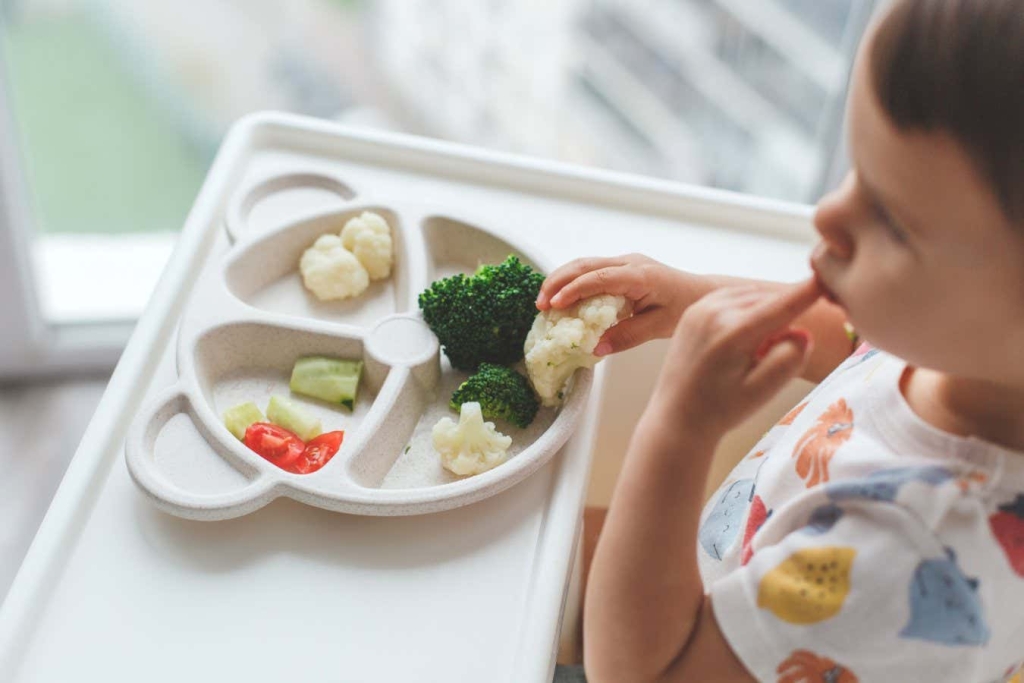
BREAKING: Groundbreaking Study Reveals Vegan Babies Catch Up by Age 2 — Is Meat Really Necessary for Child Development?
In a stunning revelation that’s sending shockwaves through the nutrition world, a massive new study has found that babies born into vegan and vegetarian families may start slightly smaller, but by their second birthday, they’re right on track with their meat-eating peers. Could this be the final nail in the coffin for the “meat is essential for babies” myth?
The Numbers Don’t Lie: 1.2 Million Babies Analyzed
Researchers at Ben-Gurion University of the Negev in Israel have just completed the largest study of its kind, analyzing data from 1.2 million babies across Israel between 2014 and 2023. That’s not a typo — we’re talking about a sample size so massive it would make any statistician weak in the knees.
The study tracked everything from birth weight to head circumference, following these little humans from their first breath all the way to their terrible twos. And what they found? Well, it’s complicated.
The Early Days: Slight Disadvantage for Plant-Based Babies
Here’s where it gets interesting. In those crucial first 60 days of life, babies from vegan and vegetarian households showed a slight tendency to be underweight compared to their omnivore counterparts. We’re talking about a small but measurable difference that had researchers raising their eyebrows.
But before you start panicking about your friend’s vegan baby, listen to this: being overweight was actually less common in vegetarian and vegan households. So while some plant-based babies started smaller, they were also less likely to be on the heavier side of the spectrum.
The Plot Twist: By Age 2, Everything Levels Out
And now for the headline-grabbing part that’s got everyone talking: by age 2, those differences had largely evened out. The growth measures across all three groups — vegan, vegetarian, and omnivore — had converged. Those tiny vegan babies? They caught up. Those vegetarian toddlers? Right there with the rest of them.
“This is deeply reassuring,” says Tomer Avnon from Tel Aviv University, who wasn’t involved in the study but is clearly excited about the implications. “It is deeply reassuring to see large-scale data confirming that children of vegetarian and vegan mothers can expect a healthy developmental future.”
The Science Behind the Headlines
Let’s break down what makes this study so groundbreaking. Previous research on vegan and vegetarian children has been all over the map — some studies showing benefits, others raising concerns about nutrient deficiencies. But those were small studies, often with conflicting methodologies.
This new research? It’s on a completely different scale. With 1.2 million participants, even the tiny 0.3% who identified as vegan (that’s about 18,000 babies!) provides enough data to draw statistically significant conclusions.
What About Those Nutritional Concerns?
We’ve all heard the warnings: vegans don’t get enough protein, amino acids are deficient, growing children need animal products. These concerns aren’t entirely unfounded — vegan diets can be tricky to balance, especially for growing bodies with sky-high nutritional needs.
The researchers were well aware of these concerns. They accounted for factors that could skew the results: income levels, maternal age, breastfeeding practices, and more. They wanted to make sure they were comparing apples to apples (or perhaps lentils to lentils).
The Catch: Self-Reporting and Long-Term Questions
Before you go declaring veganism the ultimate parenting choice, there’s an important caveat. The diets were self-reported by parents, which introduces some uncertainty. How strictly vegan was that household, really? Did they occasionally slip up with a bit of cheese? We don’t know.
Zulfiqar Bhutta from the Hospital for Sick Children in Toronto raises another crucial point: “The small but appreciable differences in growth between the three groups could well be relevant long term, especially given evidence from elsewhere that vegan diets are associated with lower bone mineral density and micronutrient status.”
In other words, while these babies caught up by age 2, we don’t yet know if there might be subtle differences that emerge later in life. The plot thickens.
What This Means for Parents Everywhere
If you’re a parent considering a plant-based diet for your child, or if you’re already raising vegan kids, this study offers some serious reassurance. It suggests that with proper planning, vegan and vegetarian diets can indeed support healthy early childhood development.
But — and this is a big but — it’s not a free pass to just eliminate animal products without careful planning. The official advice still stands: a well-planned vegan diet rich in vegetables, beans, whole grains, and fortified products can provide all necessary nutrients, but it requires knowledge, effort, and often supplementation.
The Global Context: Not One-Size-Fits-All
The researchers were careful to note that their findings from Israel might not translate perfectly to every corner of the globe. Countries with similar incomes and accessible healthcare (think UK, much of Europe, Australia) will likely see similar results. But in regions where malnutrition is prevalent, or where access to a variety of plant-based foods is limited, the equation changes dramatically.
The Future of Plant-Based Childhood Nutrition
This study opens the door for even larger, more detailed research. What we really need next are studies that track not just whether families identify as vegan or vegetarian, but what they’re actually eating day-to-day. We need to know about micronutrient levels, bone density, cognitive development, and long-term health outcomes.
The bottom line? This massive study suggests that vegan and vegetarian babies can indeed grow up just as healthy as their meat-eating peers, at least through age 2. It’s a victory for plant-based families everywhere, but it’s also a reminder that nutrition is complex, and one size definitely doesn’t fit all.
As the debate over plant-based diets for children continues to evolve, one thing is clear: the science is getting more sophisticated, and the answers are getting more nuanced. Stay tuned, because this conversation is far from over.
TAGS: #veganbabies #plantbasedkids #nutritionresearch #childhooddevelopment #veganparenting #vegetariankids #healthystart #babynutrition #dietdebate #plantbasedfuture #veganhealth #childhoodgrowth #nutritionfacts #parentingtips #healthyeating
VIRAL SENTENCES:
- “Vegan babies catch up by age 2 — is meat really necessary?”
- “1.2 million babies studied: the results will shock you!”
- “The biggest nutrition study ever just changed everything we thought we knew”
- “Plant-based parenting gets scientific validation”
- “From underweight to right on track: the vegan baby transformation”
- “Is this the end of the ‘meat is essential’ myth?”
- “Science says: vegan kids can thrive — but there’s a catch”
- “The study that’s making nutritionists everywhere rethink everything”
- “Parents rejoice: your vegan baby is probably just fine”
- “The massive research that’s settling the vegan baby debate (mostly)”
,
Leave a Reply
Want to join the discussion?Feel free to contribute!